Introduction
Cooking is an act of creation—where intuition dances with technique, and humble ingredients become memorable meals. Whether you’re a budding enthusiast or a seasoned home chef, mastering the essentials and embracing professional insights elevates your confidence and skill. The kitchen can be daunting, but with a handful of thoughtful tips, it transforms into a space of joy, discovery, and artistry. This guide distills vital cooking tips—from foundational practices to subtle flourishes—providing you with tools to amplify both flavour and pleasure in every dish.
Preparation: The Groundwork for Culinary Excellence
Preparation fosters efficiency and relaxation, setting the tone for success before the stove ever turns on.
Organize Your Space and Mind
-
Mise en Place: Chop, measure, and gather all ingredients before beginning—it prevents panic and ensures smooth transitions.
-
Read Before You Start: Scan your recipe twice and visualize the workflow and timing to avoid surprises.
-
Essential Tools: Invest in high-quality basics—sharp knives, sturdy pans, a digital scale, and reliable thermometers support precision and consistency.
Choose Ingredients Thoughtfully
-
Select seasonal, local produce for peak flavor and sustainability.
-
Marinate proteins in advance to deepen taste and tenderness.
-
Opt for fresh herbs and spices when possible—these add brightness and depth.
Technique: Elevating Texture and Taste
Technique bridges the gap between ordinary and extraordinary.
Knife Skills and Safety
-
Practice basic cuts—dice, chiffonade, julienne—improves both presentation and uniform cooking.
-
Always keep knives sharp and use a stable cutting board.
Mastering Heat
-
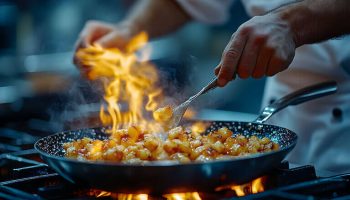
Preheat Pans Properly: Wait until your pan and oil are hot before adding ingredients—this ensures perfect searing and prevents sticking.
-
Don’t Crowd the Pan: Spread out ingredients so they brown, not steam.
-
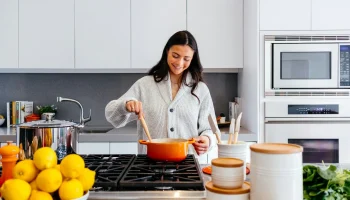
For gentle cooking, use low heat to coax out flavors in soups and stews.
Building Flavour
-
Layer seasoning—salt at every stage, add acid (like lemon or vinegar) to balance richness, and finish with fresh herbs.
-
Deglaze pans with wine or broth to capture the “fond” and boost complexity.
-
Experiment with umami-rich ingredients—soy sauce, parmesan, anchovies, mushrooms—to deepen savory notes.
The Rhythm of Cooking: Timing and Adjustment
Patience and flexibility are keys to a kitchen triumph.
Taste as You Go
-
Sample at every stage to adjust salt, acid, or sweetness.
-
If a dish tastes flat, a splash of acid or pinch of salt can bring it alive.
Trust Your Instincts
-
Recipes offer guidance, but don’t be afraid to adapt based on what you see, smell, and taste.
-
Cooking times vary—oven temperatures, humidity, and ingredient sizes all affect results.
Efficiency and Sustainability
Resourcefulness in the kitchen honours both flavour and planet.
Minimize Waste
-
Save vegetable scraps and bones for homemade stocks.
-
Turn stale bread into croutons or stuffing.
-
Plan meals to use leftovers—frittatas, soups, and salads transform odds and ends into delights.
Smart Storage
-
Freeze herbs in oil, label leftovers, and rotate pantry items to keep everything fresh.
-
Store nuts and seeds in the fridge or freezer to prevent rancidity.
Finishing Touches: The Chef’s Signature
Beautiful presentation and nuanced garnishes elevate the eating experience.
Plate With Purpose
-
Use odd numbers of items for harmony, add pops of colour with greens, and clean edges for a refined look.
-
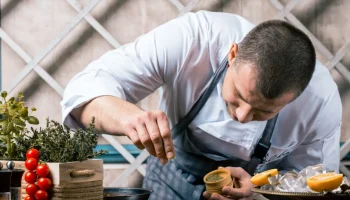
Drizzle sauces gracefully, and sprinkle with fresh herbs, spices, or zest just before serving.
Temperature and Texture
-
Warm plates for hot dishes, chill bowls for cold soups.
-
Play with textures—pair creamy with crunchy, or soft with crisp, for a balanced bite.
Confidence and Enjoyment
Every cook’s best asset is joy and curiosity.
Embrace Mistakes
-
Mishaps are lessons—keep a kitchen journal and note what worked or didn’t.
-
Ask family or friends for honest feedback and celebrate shared meals.
Keep Learning
-
Explore new cuisines, attend workshops, and try unfamiliar ingredients or techniques.
-
Cooking is both ritual and adventure—let curiosity lead you to new culinary heights.
Conclusion
Cooking well is an evolving craft, rooted in preparation, sharpened by technique, and ignited by creativity. With these tips, you’ll approach every recipe with clarity and flair, fostering not only delectable food but also warmth and connection among all who gather at your table.