close

Cooking Tips

Cooking Tips

Pro Cooking Tips That Instantly Improve Your Meals

Great cooking isn’t about fancy equipment or secret ingredients. It’s about mastering a few professional habits that dramatically improve flavor, texture, and consistency. These pro cooking tips are simple, practical, and proven—small changes that make everyday meals taste restaurant-quality.

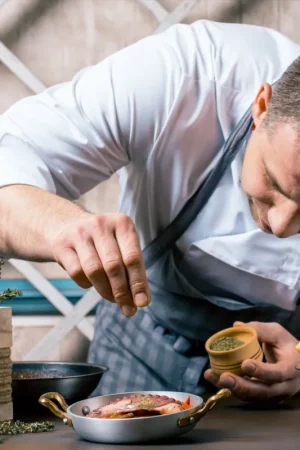
Season With Intention, Not Guesswork

Professional cooks season early, often, and thoughtfully. Salt doesn’t just make food salty—it enhances natural flavors.

Key practices to follow:

  • Season proteins at least 30 minutes before cooking for deeper flavor.

  • Taste at multiple stages, not just at the end.

  • Use kosher salt for better control and even distribution.

A well-seasoned dish should taste balanced, not salty.

Control Heat Like a Pro

Most home cooking mistakes come from poor heat management. High heat isn’t always better.

Smart heat control tips:

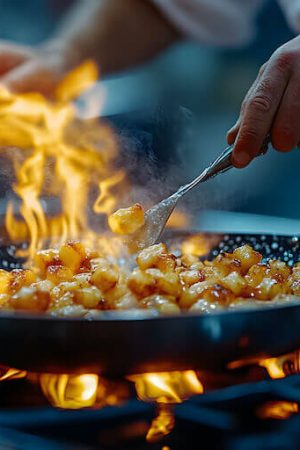
  • Preheat pans fully before adding food.

  • Use medium heat for aromatics to prevent bitterness.

  • Lower heat slightly once food hits the pan to avoid burning.

Consistent heat creates better browning and prevents dry or uneven results.

Let Ingredients Reach Room Temperature

Cooking straight from the fridge causes uneven cooking. Professionals avoid this whenever possible.

What to do instead:

  • Let meat, poultry, and fish rest 15–30 minutes before cooking.

  • Cold food drops pan temperature and prevents proper searing.

This simple step improves texture and helps food cook evenly.

Master Knife Skills (Speed Comes Later)

Sharp knives and proper technique save time and improve presentation.

Focus on:

  • Keeping knives razor sharp (a dull knife is dangerous).

  • Using a stable cutting board with a damp towel underneath.

  • Cutting ingredients to uniform sizes for even cooking.

Precision matters more than speed.

Build Flavor in Layers

Professional dishes don’t rely on one big flavor hit—they’re built gradually.

Layering techniques include:

  • Blooming spices in oil before adding liquids.

  • Deglazing pans with stock, wine, or vinegar.

  • Finishing with fresh herbs or citrus zest.

Each layer adds depth and complexity.

Don’t Crowd the Pan

Crowding traps steam, which prevents browning and causes soggy food.

Professional rule:

  • Cook in batches if needed.

  • Leave space between ingredients so moisture can escape.

Golden, crispy textures require breathing room.

Learn When to Leave Food Alone

Constant stirring prevents browning. Professionals know when not to touch food.

Examples:

  • Let meat sear undisturbed before flipping.

  • Allow vegetables to caramelize before tossing.

Patience equals flavor.

Rest Meat Before Cutting

Cutting too soon releases juices and dries out meat.

Best practice:

  • Rest meat 5–10 minutes (larger cuts up to 20).

  • Loosely tent with foil, don’t wrap tightly.

This keeps meat juicy and tender.

Finish With Acid for Balance

Many dishes taste “flat” because they lack acidity.

Quick fixes:

  • Lemon juice or zest

  • Vinegar or wine

  • Yogurt or sour cream

A small splash at the end brightens the entire dish.

Clean As You Go

Professional kitchens stay organized for a reason—it improves focus and efficiency.

Habits to adopt:

  • Wash tools while food cooks.

  • Keep a trash bowl nearby.

  • Wipe surfaces between steps.

Less mess means better cooking decisions.

Frequently Asked Questions

What’s the fastest way to improve flavor in home cooking?

Learning proper seasoning and tasting throughout the cooking process delivers the biggest improvement immediately.

Do I need expensive cookware to cook like a pro?

No. Heat control, technique, and timing matter far more than brand-name equipment.

Why does restaurant food taste better than homemade food?

Restaurants layer flavors, season aggressively, control heat precisely, and finish dishes with acid and fat.

Is resting meat really necessary?

Yes. Resting allows juices to redistribute, making meat more tender and flavorful.

How do chefs prevent food from sticking to pans?

They preheat pans properly, use enough fat, and avoid moving food too early.

What’s the most common home cooking mistake?

Overcrowding the pan and under-seasoning food are the most frequent issues.

How can I tell when my pan is hot enough?

Add a drop of water—if it sizzles and evaporates quickly, the pan is ready.
read more
Cooking Tips

Expert Cooking Tips to Instantly Improve Your Food

Great food isn’t about complicated recipes or expensive tools. It’s about understanding how ingredients behave and applying a few expert techniques that professional cooks rely on every day. These practical cooking tips will help you improve flavor, texture, and consistency almost immediately.

Season Properly—and Taste Constantly

Seasoning is the foundation of good cooking. Experts don’t season once; they season throughout the process.

To get it right:

  • Add salt in layers rather than all at once.

  • Taste after each major step and adjust gradually.

  • Use kosher salt for better control and even coverage.

Proper seasoning enhances natural flavors instead of overpowering them.

Master Heat Control

Knowing when to use high, medium, or low heat separates average cooking from expert cooking.

Key heat tips:

  • Always preheat pans before adding ingredients.

  • Use medium heat for aromatics to avoid burning.

  • Reduce heat slightly after searing to cook evenly inside.

Controlled heat prevents scorched outsides and undercooked centers.

Bring Ingredients to Room Temperature

Cooking cold ingredients straight from the fridge leads to uneven results.

Best practice:

  • Let meat, fish, and poultry sit out for 15–30 minutes before cooking.

  • This helps food cook more evenly and improves browning.

It’s a small step with a big payoff.

Use Sharp Knives and Uniform Cuts

Experts focus on precision, not speed.

Why this matters:

  • Sharp knives are safer and cleaner.

  • Evenly sized cuts cook at the same rate.

  • Uniform pieces improve texture and presentation.

Consistency starts on the cutting board.

Build Flavor in Layers

Professional dishes develop depth through gradual flavor-building.

Common layering techniques include:

  • Toasting spices in oil to release aroma.

  • Deglazing pans to capture browned bits.

  • Adding fresh herbs or zest at the end.

Each step adds complexity and richness.

Avoid Overcrowding the Pan

Too much food in one pan traps steam and ruins browning.

Expert rule:

  • Cook in batches when necessary.

  • Leave enough space for moisture to escape.

Proper spacing creates crisp, golden textures.

Let Food Brown Before Moving It

Constant stirring prevents caramelization.

What to do instead:

  • Allow proteins to sear undisturbed.

  • Wait for vegetables to develop color before tossing.

Browning equals flavor—patience is essential.

Rest Meat Before Slicing

Cutting meat immediately causes juices to escape.

Follow this guideline:

  • Rest small cuts for 5–10 minutes.

  • Rest large cuts for 15–20 minutes, loosely covered.

This keeps meat moist and tender.

Finish With Acid for Balance

Many dishes taste dull because they lack acidity.

Simple finishing touches:

  • A squeeze of lemon juice

  • A splash of vinegar

  • A spoon of yogurt or sour cream

Acid brightens flavors and adds balance.

Clean As You Cook

Experts keep their workspace organized to stay focused.

Helpful habits:

  • Wash tools while food cooks.

  • Keep a waste bowl nearby.

  • Wipe surfaces between steps.

A clean kitchen leads to better decisions and smoother cooking.

Frequently Asked Questions

What is the quickest way to improve home-cooked food?

Seasoning correctly and tasting throughout the cooking process makes the biggest immediate difference.

Do professional cooking techniques require special equipment?

No. Technique, timing, and heat control matter far more than expensive cookware.

Why does food burn even on low heat?

Residual heat from a pan or overcrowding can cause burning even at lower settings.

Is resting meat really necessary?

Yes. Resting allows juices to redistribute, preventing dry meat.

How do chefs make simple dishes taste complex?

By layering flavors and finishing with acid, fat, or fresh herbs.

What’s the most common mistake home cooks make?

Overcrowding pans and under-seasoning food are the most frequent issues.

How can I tell if my pan is hot enough?

A small drop of water should sizzle and evaporate quickly when the pan is ready.

read more
Cooking Tips

Beyond the Recipe: Essential Cooking Tips to Elevate Your Home Kitchen

Introduction

Cooking is both art and science—a journey that rewards patience, creativity, and attention to detail. Every home kitchen, no matter how humble, holds the potential for transformation, where ingredients become flavors and meals become memories. Yet, cooking well isn’t merely about following recipes—it requires intuitive skills, clever strategies, and a willingness to embrace experimentation. Whether you’re a novice culinary explorer or an experienced home chef, there are universal cooking tips that can boost your confidence and deliver consistently delightful results. This guide offers refined, insightful advice to help you unlock your kitchen’s full potential with finesse and pleasure.

Preparation: Laying the Foundation

Good cooking starts long before the flame ignites.

Mise en Place: Organization Is Key

  • Read the Recipe First: Ensure you understand every step and gather all ingredients before you begin.

  • Prep Ingredients Early: Chop, measure, and portion everything in advance to streamline the cooking process.

  • Arrange Your Workspace: Clean counters, accessible tools, and proper lighting help maintain focus and enjoyment.

Invest in Essentials

  • A sharp chef’s knife is more valuable than an arsenal of gadgets.

  • Quality pots, pans, whisks, and thermometers create reliability and consistency in your results.

  • Stock up on basic pantry items—herbs, spices, oils, acids, and grains—for endless versatility.

Technique: Building Confidence and Creativity

Master technique and the rest follows naturally.

Knife Skills and Safety

  • Practice slicing, dicing, and chopping—precision results in even cooking and attractive presentation.

  • Always use a stable cutting board and keep fingertips tucked for safety.

Mastering Heat and Timing

  • Preheat Everything: Let pans, ovens, and oils get hot before adding ingredients—this ensures proper searing and prevents sticking.

  • Don’t Crowd the Pan: Space proteins and vegetables apart for golden browning rather than soggy steaming.

  • Adjust heat as needed; most dishes benefit from starting hot, then finishing gently.

Searing, Roasting, and Sautéing

  • Sear meats for a flavorful crust, then finish gently to preserve moisture.

  • Roasting brings natural sugars forward—try with carrots, squash, or tomatoes for depth of flavor.

  • Sauté quickly for vibrant vegetables—don’t overcook, keep them lively and crisp.

Flavor and Seasoning: The Hallmarks of Great Taste

Season at every stage, and trust your palate to guide you.

Salt and Acid

  • Add salt early and adjust in layers—not just at the finish.

  • Use acid (citrus, vinegars) to brighten and balance dishes, cutting through heaviness.

Layered Flavor

  • Build flavor with base aromatics (onion, garlic, celery), then evolve with spices, herbs, and condiments.

  • Finish with fresh elements—herbs, zest, or a drizzle of olive oil—to add complexity.

Taste Continuously

  • Sample and adjust as you cook; your instincts will sharpen over time.

Resourcefulness and Sustainability

Smart, efficient cooking honors both abundance and the planet.

Minimize Waste

  • Save trimmings for stock; use stale bread for croutons or puddings; repurpose leftovers creatively.

  • Choose local, seasonal ingredients—they’re fresher and environmentally friendly.

Storage Wisdom

  • Freeze herbs in cubes, refrigerate nuts, and rotate pantry stock for longevity and quality.

  • Label leftovers and keep your fridge organized to reduce spoilage.

Presentation: The Beauty of Plate and Platter

How a dish looks can heighten anticipation and satisfaction.

Simple Tips

  • Use contrasting colors and odd-number arrangements for visual appeal.

  • Wipe plate edges and garnish thoughtfully—fresh herbs, a sprinkle of spice, or a swirl can elevate your dish.

Texture and Temperature

  • Pair creamy with crunchy, hot with cold, and tender with crisp for multi-dimensional eating.

Confidence and Continuous Learning

The best cooks are always students.

Embrace Mistakes

  • Every error is an opportunity to grow—keep a notebook, reflect and adapt.

  • Don’t hesitate to experiment with new cuisines, flavors, and methods.

Cook with Joy

  • Share your table with friends and family—the pleasure of communal eating fosters creativity and happiness.

  • Trust your senses, intuition, and palate. Cooking should be rewarding, not intimidating.

Conclusion

Great cooking is an ongoing journey—rooted in preparation, sharpened by technique, and enlivened by curiosity and care. By applying these essential tips, you’ll infuse every dish you make with skill, flavor, and heart. Ultimately, cooking is not about perfection, but about celebration—the art of transforming simple ingredients into extraordinary moments.

read more
Cooking Tips

The Savvy Chef’s Playbook: Transformative Cooking Tips for Every Home Kitchen

Introduction

Cooking is an act of creation—where intuition dances with technique, and humble ingredients become memorable meals. Whether you’re a budding enthusiast or a seasoned home chef, mastering the essentials and embracing professional insights elevates your confidence and skill. The kitchen can be daunting, but with a handful of thoughtful tips, it transforms into a space of joy, discovery, and artistry. This guide distills vital cooking tips—from foundational practices to subtle flourishes—providing you with tools to amplify both flavour and pleasure in every dish.

Preparation: The Groundwork for Culinary Excellence

Preparation fosters efficiency and relaxation, setting the tone for success before the stove ever turns on.

Organize Your Space and Mind

  • Mise en Place: Chop, measure, and gather all ingredients before beginning—it prevents panic and ensures smooth transitions.

  • Read Before You Start: Scan your recipe twice and visualize the workflow and timing to avoid surprises.

  • Essential Tools: Invest in high-quality basics—sharp knives, sturdy pans, a digital scale, and reliable thermometers support precision and consistency.

Choose Ingredients Thoughtfully

  • Select seasonal, local produce for peak flavor and sustainability.

  • Marinate proteins in advance to deepen taste and tenderness.

  • Opt for fresh herbs and spices when possible—these add brightness and depth.

Technique: Elevating Texture and Taste

Technique bridges the gap between ordinary and extraordinary.

Knife Skills and Safety

  • Practice basic cuts—dice, chiffonade, julienne—improves both presentation and uniform cooking.

  • Always keep knives sharp and use a stable cutting board.

Mastering Heat

  • Preheat Pans Properly: Wait until your pan and oil are hot before adding ingredients—this ensures perfect searing and prevents sticking.

  • Don’t Crowd the Pan: Spread out ingredients so they brown, not steam.

  • For gentle cooking, use low heat to coax out flavors in soups and stews.

Building Flavour

  • Layer seasoning—salt at every stage, add acid (like lemon or vinegar) to balance richness, and finish with fresh herbs.

  • Deglaze pans with wine or broth to capture the “fond” and boost complexity.

  • Experiment with umami-rich ingredients—soy sauce, parmesan, anchovies, mushrooms—to deepen savory notes.

The Rhythm of Cooking: Timing and Adjustment

Patience and flexibility are keys to a kitchen triumph.

Taste as You Go

  • Sample at every stage to adjust salt, acid, or sweetness.

  • If a dish tastes flat, a splash of acid or pinch of salt can bring it alive.

Trust Your Instincts

  • Recipes offer guidance, but don’t be afraid to adapt based on what you see, smell, and taste.

  • Cooking times vary—oven temperatures, humidity, and ingredient sizes all affect results.

Efficiency and Sustainability

Resourcefulness in the kitchen honours both flavour and planet.

Minimize Waste

  • Save vegetable scraps and bones for homemade stocks.

  • Turn stale bread into croutons or stuffing.

  • Plan meals to use leftovers—frittatas, soups, and salads transform odds and ends into delights.

Smart Storage

  • Freeze herbs in oil, label leftovers, and rotate pantry items to keep everything fresh.

  • Store nuts and seeds in the fridge or freezer to prevent rancidity.

Finishing Touches: The Chef’s Signature

Beautiful presentation and nuanced garnishes elevate the eating experience.

Plate With Purpose

  • Use odd numbers of items for harmony, add pops of colour with greens, and clean edges for a refined look.

  • Drizzle sauces gracefully, and sprinkle with fresh herbs, spices, or zest just before serving.

Temperature and Texture

  • Warm plates for hot dishes, chill bowls for cold soups.

  • Play with textures—pair creamy with crunchy, or soft with crisp, for a balanced bite.

Confidence and Enjoyment

Every cook’s best asset is joy and curiosity.

Embrace Mistakes

  • Mishaps are lessons—keep a kitchen journal and note what worked or didn’t.

  • Ask family or friends for honest feedback and celebrate shared meals.

Keep Learning

  • Explore new cuisines, attend workshops, and try unfamiliar ingredients or techniques.

  • Cooking is both ritual and adventure—let curiosity lead you to new culinary heights.

Conclusion

Cooking well is an evolving craft, rooted in preparation, sharpened by technique, and ignited by creativity. With these tips, you’ll approach every recipe with clarity and flair, fostering not only delectable food but also warmth and connection among all who gather at your table.

read more
Cooking Tips

The Artful Kitchen: Essential Cooking Tips for Inspired and Confident Home Chefs

Introduction

Cooking is more than following recipes—it’s a dance of technique, intuition, and creativity that transforms raw ingredients into nourishing, memorable meals. Whether you’re a seasoned home chef or just starting to experiment, mastering the fundamentals of cooking elevates both your palate and your confidence. In an era that honors fresh flavors, sustainability, and global inspiration, the finest kitchen tip is this: embrace curiosity and skill equally. This article shares thoughtfully curated cooking tips to help you refine your craft, delight your senses, and enjoy every step of your culinary journey.

Preparation: Setting the Stage for Success

Preparation is the foundation of great cooking. A little forethought and organization bring clarity, efficiency, and calm to the kitchen.

Mise en Place: Everything in Its Place

  • Prep Ingredients First: Chop, measure, and portion all elements before the heat rises.

  • Read the Recipe Thoroughly: Understanding timing and sequence reduces stress and errors.

  • Organize Tools: Keep knives sharp, pans accessible, and mixing bowls ready for action.

Invest in Quality Basics

  • The right knife makes all the difference—choose a chef’s knife and keep it honed.

  • Opt for sturdy, heavy-bottomed cookware that distributes heat evenly.

  • A digital thermometer, kitchen scale, and microplane zester simplify precision and flavor enhancement.

Mastering Technique: Key Skills for Flavor and Texture

Technique transforms simple ingredients into exceptional dishes.

Knife Skills

  • Control & Consistency: Practice dice, slice, chiffonade, and julienne for beautiful presentation and even cooking.

  • Safety Matters: Curl your fingers and keep knives dry for safer dicing.

Searing, Sautéing, and Roasting

  • Searing meats at high heat develops rich color and savory depth.

  • Sauté vegetables just until bright to preserve flavor and nutrients.

  • Roasting concentrates sweetness—try root vegetables, chicken, or even fruit at high heat for caramelized goodness.

Seasoning

  • Layer Flavors: Salt early and taste as you go; add herbs, spices, and acids (lemon, vinegar) incrementally.

  • Finish dishes with a sprinkle of flaky salt, a squeeze of lemon, or fresh herbs to brighten the palate.

The Science of Timing and Temperature

Understanding heat and timing distinguishes the amateur from the expert.

Don’t Crowd the Pan

  • Space ingredients out—overcrowding leads to steaming, not browning.

Temperature Control

  • Preheat Pans: Always heat pans before adding oil; add ingredients only when oil shimmers.

  • Low and Slow: Gentle heat for soups, braises, and stews mellows flavors and tenderizes proteins.

  • Rest Meats: After cooking, rest meats so juices redistribute, ensuring tenderness.

Taste, Adjust, and Personalize

Cooking is as much about your senses as your skills.

Taste Early and Often

  • Sample at Every Stage: This ensures balance, lets you correct seasoning, and hones intuition.

  • Balance Sweet, Sour, Salt, Bitter, and Umami: Adjust flavors with vinegars, sugars, salts, and spices.

Experiment and Adapt

  • Substitute ingredients to suit dietary needs or pantry shortages—creativity leads to delicious discoveries.

  • Combine techniques, cuisines, and textures for fresh inspiration.

Embracing Sustainability and Efficiency

Thoughtful, resourceful cooking honors the planet and your wallet.

Reduce Food Waste

  • Use vegetable scraps for stocks, stale bread for croutons or breadcrumbs.

  • Plan meals around seasonal, local produce for better flavor and lower environmental impact.

Smart Storage

  • Label and organize leftovers; freeze herbs in olive oil, store nuts in the fridge to extend shelf life.

Presentation and Final Flourishes

How you serve a dish matters—visual and sensory appeal heighten enjoyment.

Simple Plate Styling

  • Use odd numbers, create contrast with color, and garnish thoughtfully.

  • Wipe plate edges clean for a professional touch.

Confidence in the Kitchen

Above all, let the joy of cooking shine through. Mistakes offer learning; successes invite celebration.

Trust Your Instincts

  • Cooking is flexible—explore, taste, and take notes for future improvement.

  • Involve family and friends—shared meals deepen relationships and build traditions.

Conclusion

Mastering cooking is a lifelong journey, grounded in essential techniques and open to endless inspiration. With preparation, practice, and a dash of creativity, your kitchen becomes an artful stage for nourishment and connection. Embrace each tip as an invitation to savor the process and celebrate every dish.

read more
Cooking Tips

The Art of Cooking: Mastering Techniques, Ingredients, and Flavors

Cooking is more than a daily necessity; it is an intricate blend of science and creativity that transforms raw ingredients into remarkable dishes. A well-crafted meal is a testament to skill, precision, and an understanding of flavor harmony. Mastering cooking requires not only technical proficiency but also an appreciation for the ingredients and techniques that bring dishes to life.

Understanding the Fundamentals of Cooking

A strong foundation in cooking begins with mastering essential techniques and understanding the role of each ingredient. Successful dishes rely on precision, balance, and the careful application of heat.

  • Knife Skills: A well-honed knife is an extension of a chef’s hand. Proper slicing, dicing, and chopping techniques ensure uniform cooking and enhance presentation. Learning the correct way to handle a knife not only increases efficiency but also ensures safety.
  • Heat Control: Cooking methods are defined by how heat is applied to ingredients. Whether using direct heat for grilling, indirect heat for roasting, or gentle simmering for delicate sauces, understanding temperature control is key to achieving desired textures and flavors.
  • Seasoning and Balance: Salt enhances natural flavors, while acidity from citrus or vinegar adds brightness. A well-balanced dish carefully incorporates sweetness, saltiness, acidity, bitterness, and umami for depth and complexity.
  • Cooking Methods: Techniques such as sautéing, braising, poaching, and roasting each contribute unique characteristics to ingredients. Mastering these methods allows for versatility in preparing everything from delicate seafood to robust stews.

These core principles lay the groundwork for skillful cooking, creating dishes that are both technically sound and pleasing to the senses.

The Importance of Quality Ingredients

Even the most refined technique cannot compensate for inferior ingredients. Thoughtful selection of fresh, high-quality components is essential to producing exceptional dishes.

  • Fresh Produce: Fruits and vegetables at peak ripeness offer the best flavor and texture. Locally sourced ingredients often have superior taste and nutritional value compared to those transported over long distances.
  • Proteins: Whether working with seafood, poultry, or red meat, sourcing high-quality proteins ensures better texture and richer flavors. Grass-fed beef, wild-caught fish, and free-range poultry often yield superior results.
  • Herbs and Spices: Fresh herbs introduce vibrancy, while spices add complexity. A well-stocked spice rack, featuring essentials like cumin, paprika, and coriander, allows for a diverse range of flavor profiles.
  • Pantry Staples: A kitchen stocked with high-quality olive oil, aged balsamic vinegar, artisanal salts, and well-sourced grains provides a strong foundation for building flavors.

Selecting premium ingredients enhances both taste and presentation, making every dish a reflection of care and expertise.

Mastering the Science of Cooking

Cooking is an interplay of chemistry and physics. Understanding how heat, moisture, and time interact with ingredients allows for greater control over the final dish.

  • Maillard Reaction: This browning process occurs when proteins and sugars react under heat, creating rich, complex flavors in meats, bread crusts, and roasted vegetables. Proper searing and roasting techniques maximize this effect.
  • Emulsification: Blending oil and water-based ingredients into a stable mixture, as seen in vinaigrettes and mayonnaise, requires careful whisking or blending to create a smooth, unified texture.
  • Gelatinization and Caramelization: The transformation of starches and sugars under heat plays a vital role in dishes ranging from sauces to baked goods. Achieving the right balance of heat ensures proper texture and depth of flavor.
  • Sous Vide Cooking: This precise technique involves vacuum-sealing ingredients and cooking them at controlled temperatures in a water bath, resulting in tender textures and enhanced flavors.

A scientific approach to cooking refines techniques and guarantees consistency, allowing for greater creativity and precision.

The Role of Presentation in Culinary Excellence

A well-prepared dish should be as visually appealing as it is delicious. Thoughtful presentation enhances the dining experience and demonstrates attention to detail.

  • Plating Techniques: Arranging components with balance and symmetry creates an elegant presentation. Layering elements, using negative space, and incorporating contrasting textures elevate the visual appeal of a dish.
  • Garnishing: Fresh herbs, microgreens, edible flowers, or drizzles of infused oils add vibrancy and dimension. Thoughtful garnishes should complement flavors rather than serve as mere decoration.
  • Tableware Selection: The choice of plates, bowls, and serving dishes plays a crucial role in enhancing the aesthetic of a meal. Elegant, well-proportioned tableware highlights the craftsmanship behind a dish.

Attention to presentation transforms a simple meal into a memorable dining experience, reflecting the artistry behind each creation.

Exploring Global Cuisines

Cooking extends beyond individual techniques and ingredients, drawing inspiration from cultures around the world. Each cuisine reflects a unique heritage, built upon regional ingredients, traditional methods, and centuries-old culinary wisdom.

  • French Cuisine: Renowned for its refined techniques, French cooking emphasizes precision, from classic sauces to perfectly executed pastries. Techniques such as sous vide, flambéing, and confit demonstrate the meticulous craftsmanship that defines French gastronomy.
  • Italian Cuisine: Celebrated for its simplicity and ingredient-driven approach, Italian cooking relies on high-quality olive oils, fresh pasta, and aged cheeses to create bold yet balanced flavors. The tradition of slow cooking sauces and perfecting dough-based dishes remains central to its culinary appeal.
  • Japanese Cuisine: Precision and balance define Japanese cooking, where delicate knife work and harmonious flavor profiles take precedence. From sushi to tempura, the emphasis on fresh, seasonal ingredients highlights natural umami flavors.
  • Middle Eastern and Indian Cuisine: Rich in aromatic spices, these culinary traditions bring warmth and depth to dishes. Techniques such as slow braising, tandoori grilling, and layering of spices create robust flavors that define the cuisine.

Exploring global culinary traditions expands one’s repertoire, offering new flavors and methods to refine cooking skills.

The Philosophy of a Great Cook

Cooking extends beyond technical proficiency; it embodies passion, creativity, and an appreciation for craftsmanship. A great cook respects ingredients, embraces learning, and finds inspiration in tradition while pushing the boundaries of flavor and technique. Whether perfecting classic recipes or experimenting with new concepts, the pursuit of excellence in cooking remains a lifelong endeavor.

read more
Cooking Tips

Top 5 Cooking Tips For Pasta

Pasta can be an extremely speedy and basic dish to whip together for a feast. It is particularly simple to cook in high volumes and in this manner ideal for taking care of an enormous gathering of individuals. However cooking pasta is by and large a genuinely fun, straightforward and straight forward task, there are a couple of pasta cooking tips which can assist with evening the most enriched pasta veteran to work on their dishes.

The water in which the pasta is cooked can incredibly affect the manner in which the dish ends up. Ensure there is sufficient water in your pot since cooking pasta in too little water can make it remain together. In case you are apprehensive this might be the situation, add a tablespoon of oil to help kill staying.

Adding salt to the water can likewise assist with solidness and draw out the normal character.

New pasta is a cycle of an unexpected ball game in comparison to handled pasta. Recollect that when cooking pasta that is made new, it will in general cook faster, so make certain to watch out for it. Test it much of the time to guarantee that it doesn’t overcook. Try not to cover the pot while the pasta is cooking as this will make it overcook.

To guarantee that the pasta is pretty much as new as conceivable when it arrives at the table, it is a smart thought to serve it in a warm bowl since pasta cools rapidly. The most ideal way of doing this is by putting a bowl under the colander where the pasta is depleted. After the bowl is purged of water it very well may be loaded up with pasta and served new.

However it is a straightforward dish to plan, there are a couple of pasta cooking tips which can make a dish exceed everyone’s expectations. Pasta can be utilized in an assortment of dishes and ensuring that it is cooked impeccably goes far towards making a scrumptious dinner. Following these basic pasta tips can assist with making a dish fabulous.

read more
Cooking Tips

Guarantees Incredible Cooking Tips

In case you are a foodie and like treating your relatives and visitors with various mouth-watering plans then Flavorful Magazine Membership should be your steady friend. When you prefer this diary, you won’t require the assistance of anyone as you can be a decent cook by following the plans in it,. We are certain that you will basically adore it, as it will end up being a useful aide directing you on cooking the diverse mouth watering plans given in its issues. Regardless of whether you are a starter or a prepared cook, this will end up being of extraordinary assistance to all.

Cooking various plans is an enthusiasm for a few of us. We have a decent taste bud, yet we additionally prefer to treat others with delectable, sound and various menus. Delectable Magazine Membership will give as every one of the important hints to a solid and delicious cooking of various dishes.. We don’t need to go to an eatery or a lodging to experience delectable and quality food similarly as with the assistance of the cooking tips given in this month to month we can cook it ourselves in our home.

Flavorful Magazine Membership will likewise diminish our food billings, as we presently don’t need to go to a café or inn for treating our visitors with solid and delectable food. This magazine will give us cooking tips on assortments of food from across the globe and in case we are a customary supporter, we will be a decent cook over a period. Envision we don’t need to rely upon a culinary specialist to get ready assortments of scrumptious, solid and mouth-watering food sources for any celebratory event. We can cook it what an incredible inclination it will be, to watch the visitors partaking in the food we prepared.

It will help you hugely as you will get cooking tips from top big name culinary specialists. These gourmet experts will give you tips on preparing various suppers and food sources. What other place would you be able to get such a cooking direction that too from top gourmet specialists who have set up a good foundation for themselves in their field of cooking? You can intrigue your relatives and visitors with the new – discovered cooking abilities and become the discussion of your circle of loved ones.

We will explain to you why Delectable Magazine Membership is energetically suggested.? Indeed, it has procured its standing as a “unquestionable requirement read” duplicate throughout the years due to its substance and amazing cooking tips. The cooking tips come from specialists who are notable culinary experts. They will guidance you with planning different dishes including pastries and starters. What other place would you be able to consider getting such an abundance of data about cooking and direction from top culinary experts? Indeed, what other place besides in the Scrumptious Magazine.

read more
Cooking Tips

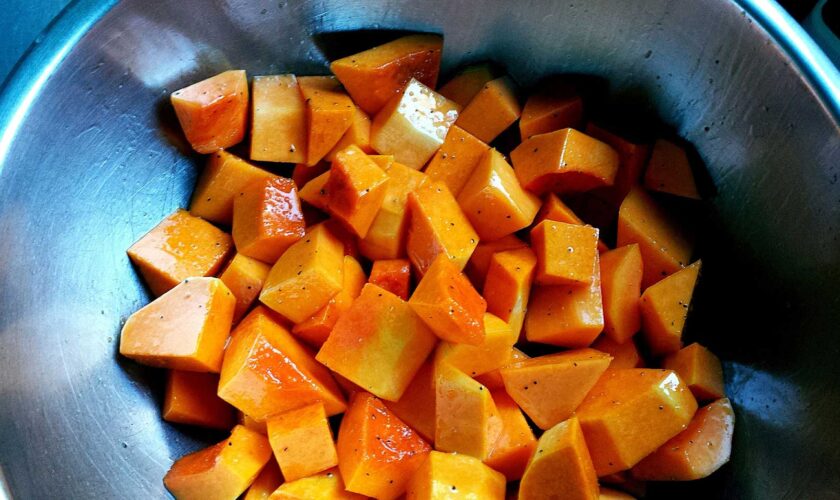
4 Speedy Cooking Tips For Butternut Squash

Try not to be astonished with regards to the quantity of ways and techniques there are to get ready butternut squash; indeed, there are some quicker and simpler ways among these as well, of which we present to you a few. Other than these simple cooking tips, you can discover additional subtleties at no additional expense from sites that contain more exhaustive information on squash dishes. Disconnected data on cooking tips butternut squash are likewise accessible and here and there printed matter can be bought off or on the net.

Nonetheless, we start with informing you realized realities regarding this incredible vegetable: few know that butternut squashes have a place with the gourd family, a local of Western Side of the equator and that Mexicans were known to burn-through this item way back as in 5500 BC! According to this long history, one can surely know how far back the dietary patterns for squash date back to!

All things considered, in the first place the rules you are hanging around for, butternut squash is of two sorts, summer and winter. Winter butternut squash is the item in center here and the better sorts among this classification weighs around 3 pounds or something like that. Loaded up with a sweet character whenever arranged right, the accompanying cooking tips place you in an advantageous position when making your very own portion at home, so look at them:

1. In the event that looking for butternut squash, lift in your grasp for weight, rotten stamps and take as much time as is needed as the external cover might be difficult to sort out these elements. Spot your buy in a cool, dry spot for half a month; after cutting, envelop by plastic and refrigerate to empower it to endure as long as seven days.

2. Cooking tips for butternut squash rules incorporate serving it close by wine, however quite a bit of this feast coordinating relies upon the readiness of the squash dish and great decisions incorporate an effervescent like a Pinot Grigio or Chenin Blanc to work on the character.

3. Other character enhancers for butternut squash incorporate including spices and flavors that will attempt to draw out its dormant supplements and taste, like nutmeg, sage, paprika, exquisite, anise seed, allspice, earthy colored sugar, spread, cinnamon, cardamom, cloves, cumin, ginger and mace other than tarragon turmeric and thyme.

4. A basic wash and cutting longwise of the item and de-cultivating is completely needed prior to moving the additional strands around the veggie as pre-readiness. Certain individuals like to strip the skin off as youngsters could do without it. Be that as it may, this done, the rest is simple as a pie: you can saute the slice squash pieces and penetrate to check if its softened, or pick to prepare it in the stove for thirty minutes at 400 without covering it; alternate ways of cooking it incorporate cutting it half-ways and cooking in the microwave for 12 minutes or thereabouts, bubbling lumps of it for 9 minutes or even steam-cooking the squash solid shapes for as long as 8 minutes.

read more
Cooking Tips

Cooking For Fledglings, Or How You Can Work On Your Cooking

You ought not take on a turkey supper for 10 when you initially figure out how to cook. You will stop before the primary course begins to cook. I’m a little overpowered when I attempt the Thanksgiving turkey supper, and I invested some energy in cooking school. So don’t make a thanksgiving supper your first cooking task.

There are many individuals around you that can assist you with figuring out how to cook. Either of your folks can assist you with cooking. Despite the fact that one individual essentially does a large portion of the cooking, don’t be reluctant to ask the other individual for some assistance. Despite the fact that my mom did the greater part of the cooking in our family, my dad was the genuine article when it came to cooking.

There are recordings that you can buy, or you can even sign them out at the library. YouTube has numerous incredible recordings that you can watch to figure out how to make a few dishes. I looked as numerous YouTube recordings when I was making jerky in my smoker. I adapted a lot about making jerky.

There are so many cooking locales on the web, where individuals are continually requesting counsel. At the point when I’m searching for a specific formula, I will consistently brush the remarks segment to check whether individuals are struggling with the formula.

The Food Organization is obviously perhaps the best spot to figure out how to cook, you can discover basic dishes that you can cook or even rather elaborate dishes that you can cook, particularly after your cooking improves. You will see that there are cooks that you like and afterward there are some that you don’t have the hour of day for. I for one appreciated Rachael Beam’s cooking when she was on the Food Organization. I’m generally frustrated for opportunity with regards to cooking, and her cooking was ideally suited for me.

Obviously, there is the old design cook book. These are as yet perhaps the best asset accessible, and there are such large numbers of them out there. You can buy them new, utilized, at carport deals, off of eBay, and so forth There are simply such large numbers of them accessible, for such countless various sorts of cooking.

read more
Cooking Tips

The Specialty Of Cooking!

Cooking isn’t an obligation. It is a craftsmanship. The individuals who have perceived this have consistently prepared delightful food. I used to work for a product organization and cooking was an obligation for me. I have consistently whimpered about cooking and never was glad to cook. Since I quit my place of employment, I have no other choice than to cook. At first, I was apathetic and consistently complaining.Time went on and not much. I needed to cook! At last, I chose to make cooking a joy. I evaluated different plans lastly found that cooking is a craftsmanship!

The majority of my companion’s mothers are extraordinary cook. They cook both breakfast and lunch in under 45mts. I used to think about how they do it. At the point when I got some information about this to one of my companion’s mother,she said with practically no hesitation,”I love to cook and Move myself day by day to cook a dish which is more tasty than what I cooked yesterday!”. Amazing! I never thought individuals participate in these sort of difficulties. She likewise gave me few hints which I will be offering to you.

Do you realize you can converse with your vegetables and natural products? I didn’t, till I met my old fashioned companion. She used to be the fun and freaky one. However, presently, She is a mother of 2 children and an amazing cook. She let me know an intriguing news about vegetables. On the off chance that you converse with the vegetables while you are cooking them, you get an exceptionally delightful food prepared. The flavor of the food you plan totally relies upon your state of mind. Have you at any point asked why a similar dish you cooked last week was more tasty than what you cooked today? Taste relies upon your feelings. At the point when you are glad, the radiations from your body are positive and they make the food taste extraordinary. At the point when you are dull,angry or not feeling good, your body produces negative energy which thusly ruins your food. Thinking about every one of these, we should have an unmistakable brain when we begin cooking. Contemplate food and how flavorful it will taste after you set them up. This will definitely assist with delegated you as an extraordinary cook.

Presently let us go for the tips and deceives in cooking. These are extremely helpful for working ladies. These tips are for the most part for Indians. Others can transform them as per their requirements.

1. Cut your vegetables the other day and store it in a water/air proof compartment.

2. Cut your cilantro and curry leaves the day you get them and store in a crate so you can utilize them at whatever point vital.

3. At the point when you begin to cook, consistently place the rice first in the rice cooker. You can do different dishes when the rice is cooking. Estimate what?After a few days you will finish the whole cooking before the rice is done.(It takes 30mts to cook rice in the rice cooker)

4. Cut all vegetables that are needed for that meeting’s cooking at one time. Thusly, you can cook two dishes all at once and you need not stress over the fixings.

5. Last however not the least, in the event that you can, do sing while at the same time cooking. Music causes you to feel glad and thusly assists your dishes with tasting yummy.

read more
Cooking Tips

What Are Cooking Plans?

Cooking plans are sets of guidelines on the most proficient method to set up a culinary dish. It is ideal to peruse the formula first before you begin cooking. In perusing a formula, you should cautiously peruse everything about familiarize yourself with the cooking terms included. Cooking plans, however disparate in preferences, share a typical arrangement on how they are composed on cookbooks. These are:

Formula Name

This is the primary part of a cooking formula. It lets the perusers know what dish will be made. A few cookbooks and sites even join a picture alongside the formula name for perusers to envision how the last yield resembles.

Number of Servings

This piece handles the number of individuals can be obliged or taken care of with such formula. Enormous dishes are energetically suggested for gatherings and celebrations. A formula for two is sufficient for heartfelt dates.

Time

It explains perusers on to the degree of time one should spend to get ready and cook a dish. The benefit of cooking plans with readiness and cooking times is it permits the cook to plan and deal with their time astutely before they do the real cooking.

Fixings and Substitutes

Fixings, then again, are the things required in playing out the formula. Close by with the fixings are choices if the fixing isn’t accessible in the kitchen or close by market. For example, the formula requests 1 cup spread, and you have no inventory of it, a cup of margarine can be a substitute.Measurement of fixings is additionally remembered for this piece of the formula.

Cooking Strategies

These are bearings on the best way to do a formula. It is a major assistance to any cook in case he knows about the various techniques. A not many that are done, however not completely comprehended by importance by many are: prepare, caramelize, devein and to overlap.

In heating, food is being cooked inside a broiler. The kinds of food regularly connected with preparing are cakes, bread and cakes. Caramelize, then again, is cooking sugar with water. Devein is a strategy finished with shrimps. At the point when you devein, you utilize a blade in eliminating the dark vein situated at the shrimp’s back.

Cooking tips

Toward the end some portion of a formula, cooking tips on elective courses in doing the cooking strategies are embedded. These permit cooks to try further and to re-make a dish in understanding as they would prefer. Cooking plans are not inflexible guidelines. With a specific formula, you can change it and customize it.

Cooking plans are without a doubt fundamental bit by bit rules for each cook. Failing to remember a solitary fixing or cooking strategy, may gravely influence the flavor of the dish. Be that as it may, whenever done cautiously well, the shot at disappointment is thin. I accept that a cooking formula is really a crucial snippet of data for each cook. Assuming cooking plans are perceived and executed perfectly, unquestionably a tasty dish is standing by.

read more