
close

July 2025

Restaurant

Beyond the Table: How Restaurants Nurture Experience, Innovation, and Community

Introduction

A restaurant is much more than a place to eat—it is an institution where hospitality blossoms, artistry unfolds, and memories are made. Across streets and cultures, restaurants have become dynamic forces in shaping how society celebrates, connects, and evolves. The finest establishments weave a narrative of flavors, spaces, and service that lifts dining from mere routine to vivid experience. This article explores the modern restaurant’s role in building community, sparking creativity, and nurturing both palate and spirit.

The Power of Atmosphere: Setting the Scene

Atmosphere is the first ingredient in a memorable dining experience. Before the first bite, guests absorb the mood created by lighting, decor, sounds, and the rhythm of service.

The Language of Space

  • Ambient Lighting: Soft, diffused illumination sets the tone for romance or conviviality.

  • Thoughtful Decor: Artistry in materials, color, and tableware expresses a restaurant’s philosophy and invites curiosity.

  • Spatial Arrangement: The layout balances intimacy with collective energy, whether through cozy banquettes or vibrant communal tables.

Emotional Impact

Restaurants become the settings for cherished milestones—reunions, birthdays, chance encounters—each woven into the memory of place and time.

The Kitchen: A Theatre of Craft and Imagination

At the heart of every restaurant is its kitchen—a crucible of skill, intention, and invention.

The Modern Menu

  • Seasonal and Local: Menus spotlight the freshest ingredients, sourced ethically from local growers and artisans.

  • Global Influence: Chefs expertly fuse flavors and techniques, expanding guests’ palates beyond tradition.

  • Signature Offerings: Each restaurant crafts its story through distinctive dishes, revealing chef identity and culinary heritage.

Presentation as Performance

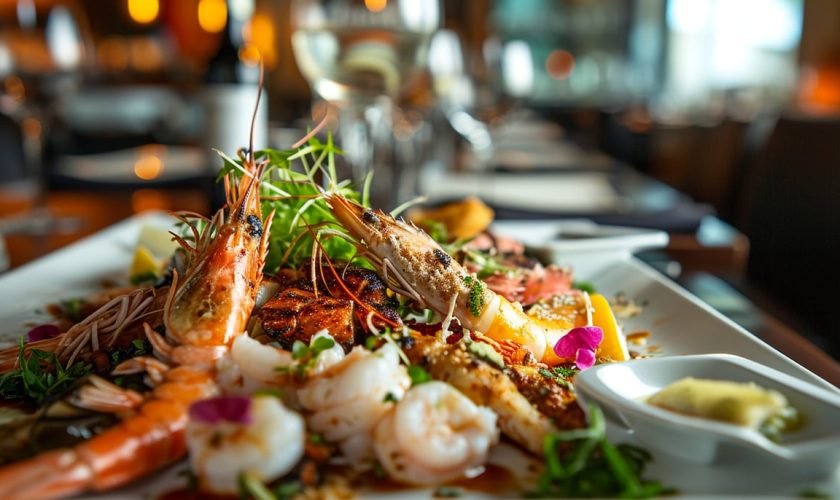
  • Plating transforms meals into sensory art, heightening anticipation and delight.

  • Chefs use color, texture, and form to narrate and elevate the dining experience.

Service: The Heartbeat of Hospitality

Exceptional service transforms a meal into an occasion.

Principles of Excellent Service

  • Warmth and Welcome: Staff greet with sincerity, anticipate needs, and personalize each visit.

  • Knowledge and Guidance: Expert advice—pairings, origins, special preparations—deepens appreciation.

  • Attention to Detail: From genuine conversation to prompt solutions, these touches inspire loyalty and satisfaction.

Community and Cultural Impact

Restaurants serve as hubs for gathering, celebration, and cultural exchange.

Social Spaces

  • Celebratory Gatherings: Anniversaries, graduations, and holiday feasts find their home around shared tables.

  • Local Connections: Collaborations with nearby producers, artists, and charities foster belonging and support.

  • Cultural Exploration: Menus featuring diverse cuisines encourage openness, learning, and empathy.

Nurturing Creativity

  • Pop-up events, themed evenings, and culinary collaborations ignite innovation beyond the kitchen.

  • Restaurants mentor aspiring talent, empowering staff and welcoming fresh perspectives.

Ethics and Sustainability in Modern Dining

Conscientious restaurants embrace a duty to planet and people.

Sustainable Practices

  • Sourcing responsibly and reducing waste through composting, creative menu design, and thoughtful portions.

  • Eco-friendly packaging, energy-efficient equipment, and transparent supplier relationships encourage stewardship.

  • Menus offer inclusive options—vegan, gluten-free, allergen-conscious—to welcome all diners.

Learning and Inspiration

Restaurants educate as they entertain, sparking curiosity and growth.

Interactive Experiences

  • Chef’s tables, open kitchens, and tasting menus reveal the craft and spirit behind each dish.

  • Events, classes, and story-driven menus engage guests in deeper discovery.

Looking Forward: Digital Influence and Adaptability

Technology and changing lifestyles propel restaurants into exciting new territory.

Innovation in Engagement

  • Online reservations, digital menus, and social storytelling expand reach and responsiveness.

  • Delivery, takeout, and virtual events make restaurant culture accessible to wider communities.

Conclusion

A great restaurant is a symphony of creativity, warmth, and meaning—bringing people together for more than food. As places of innovation, gathering, and joy, restaurants remind us that eating well is an act of living well, where every meal is a chance to connect, discover, and celebrate.

read more
Soup

Soulful Simmer: The Comfort, Craft, and Culture of Soup

Introduction

Soup is the quietly enduring superstar of kitchens everywhere. Its very presence evokes warmth—both literal and emotional—wrapping us in memories of home, celebration, and simple kindness. Whether ladled from a rustic stockpot or presented as an elegant starter in fine dining, soup transcends boundaries of class, culture, and age. It is a dish born of both thrift and ingenuity, capable of telling stories, offering solace, and connecting people across tables and traditions. This article explores the rich narrative and lasting legacy that soup brings to our lives.

The Cultural Pulse of Soup

Soup is a cornerstone of global culinary heritage, weaving together history and innovation.

Origins and Traditions

  • Ancient Roots: Archaeological evidence places soup at the dawn of cooking, bubbling in clay pots, nourishing the earliest civilizations.

  • Regional Identities: French bouillabaisse, Chinese hot and sour, Hungarian goulash, Moroccan harira—each reflects terrain, climate, and local bounty.

  • Occasions and Rituals: Soup marks milestones—matzo ball during Passover, pumpkin bisque at autumn feasts, dumpling-laden broths during lunar new year.

Family and Community

  • Soups passed through generations embody resilience and affection—chicken noodle for sick days, lentil soup as a staple, beef borscht for gatherings.

  • Community kitchens serve soup as comfort and care, addressing hunger while creating fellowship.

Soup-Making: Artistry and Adaptation

At its heart, soup celebrates both the magic of transformation and the science of taste.

Techniques and Foundations

  • Stock and Broth: The soul of any soup—built from simmered bones, vegetables, and herbs, laying a flavorful base.

  • Layering Flavors: Sauté aromatics, toast spices, and add acids to create depth.

  • Textures and Contrast: Silky purees, hearty stews, chunky minestrones, or clear consommés—all cater to different palates and moments.

Creativity Unbound

  • Global inspiration yields fusion soups like coconut-lime chicken broth or kimchi miso ramen.

  • Garnishes—crispy croutons, herb oils, swirl of crema, roasted seeds—change a bowl from ordinary to extraordinary.

Soup as Wellness: Nourishment Beyond the Spoon

Soup occupies a special place in wellness—with its nurturing qualities and gentle versatility.

Holistic Benefits

  • High water content supports hydration and digestion.

  • Blending vegetables, legumes, whole grains, and lean proteins delivers balanced nutrition.

  • Easily adapted for dietary preferences—vegetarian, gluten-free, low-sodium, or high-protein.

Emotional Wellness

  • The act of cooking and sharing soup fosters connection and mindfulness.

  • Soup is a classic comfort during illness or stress—offering both physiological and psychological healing.

Soup as Bridge and Builder

Soup naturally gathers people—fostering kindness, generosity, and storytelling.

Community and Charity

  • Soup kitchens and communal pots symbolize generosity, sharing nourishment with those who need it most.

  • Potluck soups create opportunities to showcase heritage and learn from one another.

Memory and Legacy

  • Family soup recipes serve as edible memoirs, carrying stories through generations.

  • Experimentation—adding local produce or discovering global spices—keeps traditions alive and evolving.

Contemporary kitchens bring new ideas and tools to soup-making.

Technology and Innovation

  • Slow cookers, pressure cookers, and immersion blenders simplify, intensify, and expand soup possibilities.

  • Plant-based thickening—using nuts, legumes, or roasted roots—creates creamy, nutritious bowls without dairy.

Sustainability in the Soup Pot

  • Soup is a champion of food waste reduction—using scraps, bones, and aging veggies for flavorful broths.

  • Seasonal, local ingredients lower environmental impacts and enhance taste.

Presentation and Pairing

Serving soup is an invitation to artful simplicity and joy.

Plating Perfection

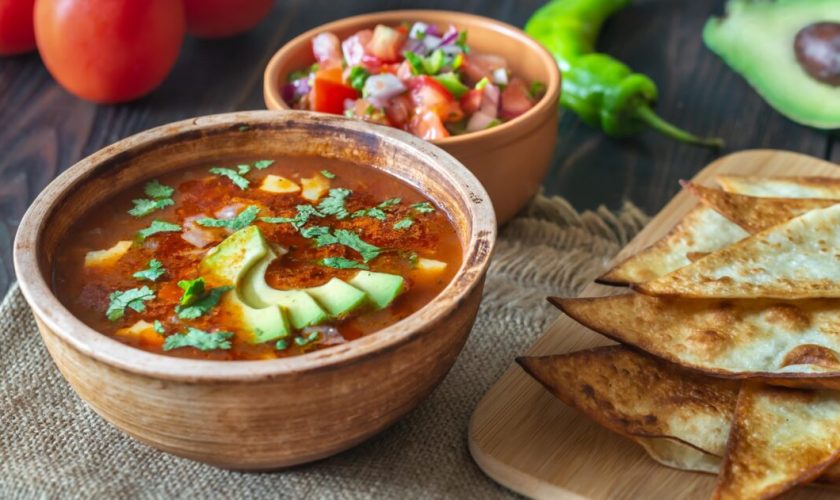
  • Play with bowl shapes, color contrasts, and minimalistic garnishes for visual appeal.

  • Thoughtful pairings—a slice of artisanal bread, a crisp salad, or a glass of wine—create a satisfying, balanced meal.

Conclusion

Soup stands as a timeless companion—welcoming in its simplicity, profound in its ability to comfort, intrigue, and connect. It reminds us that great flavor and deep joy can arise from humble beginnings and creative care. As soup continues to adapt to modern tastes and global influences, its soul only deepens, forever a symbol of nourishment, community, and culinary possibility.

read more
Food

The Flavorful Thread: How Food Weaves Culture, Well-being, and Innovation

Introduction

Food is far more than a biological necessity—it is a medium for celebration, storytelling, comfort, and creativity. From bustling street markets to refined restaurant tables, food touches every aspect of life: fuelling bodies, shaping memories, and reflecting the evolution of society. Through its endless variety and profound significance, food connects individuals and cultures in ways that transcend spoken language. This article explores the many dimensions of food, revealing its artistry, impact, and emotional resonance in the human experience.

Food as Cultural Identity and Connection

Food is the living archive of civilization, telling stories through taste, technique, and tradition.

Bridging Worlds

  • Regional Heritage: Dishes like Moroccan tagine, Japanese ramen, and Mexican mole embody centuries of geography, climate, and local custom.

  • Rituals and Gatherings: Eating together anchors holidays and life milestones, from rice dumplings at Lunar New Year to roast lamb at Easter.

  • Migration and Fusion: As people move and cultures blend, food evolves—giving birth to hybrid delights like banh mi or currywurst.

Social Bonds

  • The dinner table is a meeting ground for generations, families, and strangers alike.

  • Food festivals, potlucks, and communal feasts foster unity and understanding.

The Art and Science of Food

Cooking is the delightful collision of chemistry and creativity.

The Beauty of Preparation

  • Baking, boiling, fermenting, and roasting—each method unlocks distinct flavors, textures, and aromas.

  • Plating and presentation express the chef’s aesthetic vision, elevating simple fare to visual masterpieces.

Nutrition and Nourishment

  • Food provides essential proteins, fats, carbohydrates, vitamins, and minerals.

  • Informed choices—balancing nutrients, moderating portions, and savoring seasonal produce—support vibrant health.

Mindful Eating

  • Eating with awareness enhances pleasure and digestion.

  • Tuning into hunger, savoring flavors, and honoring body signals foster a healthier relationship with food.

Food and Sustainability: Responsibility in Every Bite

As global populations grow and resources shrink, sustainable and ethical food choices matter more than ever.

Earth-Friendly Practices

  • Local sourcing, organic farming, and plant-forward diets help reduce environmental impact.

  • Nose-to-tail and root-to-leaf eating honors whole foods, minimizing waste.

  • Composting, smart storage, and creative use of leftovers contribute to ecological stewardship.

Food Access and Equity

  • Movements for food justice seek to overcome hunger, malnutrition, and inequity.

  • Community gardens, gleaning initiatives, and food banks are vital to a fairer, more inclusive food landscape.

Food and Memory: The Emotional Layer

Food is nostalgia, celebration, and comfort bundled in taste and aroma.

Memory and Mood

  • A grandmother’s soup or a childhood sweet can transport the eater across time and place.

  • Comfort foods—stews, puddings, baked goods—soothe during hardship and celebrate joyful moments.

Creativity and Self-Expression

  • Experimenting in the kitchen—swapping ingredients, combining traditions, inventing recipes—unleashes culinary imagination.

  • Cooking and sharing food fosters pride and connection.

Food in the Modern World

Globalization and technology have transformed food culture.

New Frontiers

  • Social media, blogs, and streaming platforms bring recipes and culinary innovations to a wider audience.

  • Delivery apps and meal kits reimagine convenience, making global flavors more accessible.

  • Culinary tourism invites travelers to explore the world through local specialties and street foods.

Economy and Entrepreneurship

  • Farmers, artisans, chefs, and restaurateurs drive local and global economies.

  • Food trucks, pop-ups, and specialty shops spark trends and offer new career pathways.

The Sensory Adventure

The pleasure of food lies in its multi-sensory experience—taste, smell, sight, and sound.

Aesthetics of Dining

  • The crunch of fresh bread, the color of a ripe tomato, the sizzle of a pan—all heighten anticipation and enjoyment.

  • Thoughtful garnishing, contrasting textures, and seasonal touches transform a meal into an adventure.

Conclusion

Food is the flavorful thread that binds humanity—spanning time, cultures, and imagination. It nurtures, inspires, and connects us, inviting mindful choices and creative joy with every bite. To truly savor food is to engage with the world: honoring tradition, advancing innovation, and cultivating empathy.

read more
Cooking Tips

The Savvy Chef’s Playbook: Transformative Cooking Tips for Every Home Kitchen

Introduction

Cooking is an act of creation—where intuition dances with technique, and humble ingredients become memorable meals. Whether you’re a budding enthusiast or a seasoned home chef, mastering the essentials and embracing professional insights elevates your confidence and skill. The kitchen can be daunting, but with a handful of thoughtful tips, it transforms into a space of joy, discovery, and artistry. This guide distills vital cooking tips—from foundational practices to subtle flourishes—providing you with tools to amplify both flavour and pleasure in every dish.

Preparation: The Groundwork for Culinary Excellence

Preparation fosters efficiency and relaxation, setting the tone for success before the stove ever turns on.

Organize Your Space and Mind

  • Mise en Place: Chop, measure, and gather all ingredients before beginning—it prevents panic and ensures smooth transitions.

  • Read Before You Start: Scan your recipe twice and visualize the workflow and timing to avoid surprises.

  • Essential Tools: Invest in high-quality basics—sharp knives, sturdy pans, a digital scale, and reliable thermometers support precision and consistency.

Choose Ingredients Thoughtfully

  • Select seasonal, local produce for peak flavor and sustainability.

  • Marinate proteins in advance to deepen taste and tenderness.

  • Opt for fresh herbs and spices when possible—these add brightness and depth.

Technique: Elevating Texture and Taste

Technique bridges the gap between ordinary and extraordinary.

Knife Skills and Safety

  • Practice basic cuts—dice, chiffonade, julienne—improves both presentation and uniform cooking.

  • Always keep knives sharp and use a stable cutting board.

Mastering Heat

  • Preheat Pans Properly: Wait until your pan and oil are hot before adding ingredients—this ensures perfect searing and prevents sticking.

  • Don’t Crowd the Pan: Spread out ingredients so they brown, not steam.

  • For gentle cooking, use low heat to coax out flavors in soups and stews.

Building Flavour

  • Layer seasoning—salt at every stage, add acid (like lemon or vinegar) to balance richness, and finish with fresh herbs.

  • Deglaze pans with wine or broth to capture the “fond” and boost complexity.

  • Experiment with umami-rich ingredients—soy sauce, parmesan, anchovies, mushrooms—to deepen savory notes.

The Rhythm of Cooking: Timing and Adjustment

Patience and flexibility are keys to a kitchen triumph.

Taste as You Go

  • Sample at every stage to adjust salt, acid, or sweetness.

  • If a dish tastes flat, a splash of acid or pinch of salt can bring it alive.

Trust Your Instincts

  • Recipes offer guidance, but don’t be afraid to adapt based on what you see, smell, and taste.

  • Cooking times vary—oven temperatures, humidity, and ingredient sizes all affect results.

Efficiency and Sustainability

Resourcefulness in the kitchen honours both flavour and planet.

Minimize Waste

  • Save vegetable scraps and bones for homemade stocks.

  • Turn stale bread into croutons or stuffing.

  • Plan meals to use leftovers—frittatas, soups, and salads transform odds and ends into delights.

Smart Storage

  • Freeze herbs in oil, label leftovers, and rotate pantry items to keep everything fresh.

  • Store nuts and seeds in the fridge or freezer to prevent rancidity.

Finishing Touches: The Chef’s Signature

Beautiful presentation and nuanced garnishes elevate the eating experience.

Plate With Purpose

  • Use odd numbers of items for harmony, add pops of colour with greens, and clean edges for a refined look.

  • Drizzle sauces gracefully, and sprinkle with fresh herbs, spices, or zest just before serving.

Temperature and Texture

  • Warm plates for hot dishes, chill bowls for cold soups.

  • Play with textures—pair creamy with crunchy, or soft with crisp, for a balanced bite.

Confidence and Enjoyment

Every cook’s best asset is joy and curiosity.

Embrace Mistakes

  • Mishaps are lessons—keep a kitchen journal and note what worked or didn’t.

  • Ask family or friends for honest feedback and celebrate shared meals.

Keep Learning

  • Explore new cuisines, attend workshops, and try unfamiliar ingredients or techniques.

  • Cooking is both ritual and adventure—let curiosity lead you to new culinary heights.

Conclusion

Cooking well is an evolving craft, rooted in preparation, sharpened by technique, and ignited by creativity. With these tips, you’ll approach every recipe with clarity and flair, fostering not only delectable food but also warmth and connection among all who gather at your table.

read more
Seafood

Surf, Savor, and Sustain: The Enduring Allure of Seafood

Introduction

Seafood enchants the senses with its delicate textures, bold flavors, and the evocative scent of ocean breezes. Its journey from tidal waters to polished plates is a tale of heritage, ingenuity, and evolving values. Seafood is not simply a genre of ingredient—it is a celebration of culture, geography, and environmental stewardship. Whether embraced at coastal shacks or elevated in fine dining restaurants, seafood commands respect as both daily staple and festive indulgence. This article invites you to explore the profound world of seafood—from its roots in tradition to innovations in sustainability—revealing how each bite connects us to nature and community.

The Cultural Story of Seafood

Throughout history, seafood has shaped identities and marked milestones.

Anchored in Tradition

  • Civilizational Foundation: Ancient settlements thrived along abundant shores, crafting dishes from oysters, mussels, and myriad fish.

  • Iconic Preparations: Mediterranean bouillabaisse, Japanese sashimi, Portuguese bacalhau, and American clam chowder showcase local bounty and culinary artistry.

  • Festivals and Rituals: Celebrations built around the catch—oyster roasts, shrimp boils, crab feasts—reflect gratitude for the ocean’s gifts.

Passing Down Wisdom

  • Recipes are treasured family heirlooms, blending old techniques with new flavors and local catch.

  • Fish markets and community cookouts create social bonds that endure across generations.

Sourcing Seafood: Navigating Freshness and Ethics

Attentiveness to sourcing is essential for both taste and ecological responsibility.

Seeking the Best

  • Seasonality and Proximity: Favoring local, seasonal catch supports regional economies and ensures peak freshness.

  • Diversity of Choices: Beyond staple fish, shellfish and sea vegetables offer unique flavors and health benefits.

  • Certified Sustainability: Eco-labels and certifications—MSC, ASC—help consumers and chefs make environmentally conscious decisions.

Facing Modern Challenges

  • Overfishing, bycatch, and pollution threaten marine ecosystems—making educated consumption vital.

  • Opting for underutilized species and alternative aquaculture options fosters biodiversity and reduces strain on the most popular stocks.

The Culinary Canvas: Techniques Old and New

Seafood inspires both tradition and invention in kitchens worldwide.

Classic Methods

  • Grilling and Roasting: Highlight inherent flavors and textures, lending smokiness and crisp edges.

  • Steaming and Poaching: Maintain delicacy and purity, ideal for subtle varieties.

  • Raw Forms: Sashimi, ceviche, poke, and oysters epitomize freshness and minimal intervention.

Creative Twists

  • Fusion dishes emerge from cross-cultural inspiration—curry crab, miso-marinated black cod, and chili-lime grilled shrimp are modern favorites.

  • Presentation shifts from rustic (pots of mussels, newspaper-lined tables) to refined (artful plating, foam, and microgreens).

Pairing Wisdom

  • Citrus, fresh herbs, butter sauces, and spice blends heighten the natural brine or sweetness of each species.

  • Wine, sake, and craft beers can be chosen to complement the seafood’s character.

Nutrition and Wellness

Seafood is cherished for its health benefits as much as its flavor.

The Wellness Advantage

  • Rich in lean protein, omega-3 fatty acids, vitamins, and minerals.

  • Linked to cognitive function, cardiovascular health, and anti-inflammatory properties.

  • Adaptable to many dietary styles—Mediterranean, pescatarian, low-carb, gluten-free.

Smart Choices

  • Know your sources; monitor for mercury and allergens, especially for vulnerable groups.

  • Rotate between varieties for nutritional balance and ecological diversity.

Seafood at Celebrations and Everyday Meals

Seafood is central to both grand feasts and simple gatherings.

Festive Delights

  • Lobster for anniversaries, caviar for milestones, oysters for romantic evenings—seafood brings an air of luxury and meaning.

  • Shrimp boils, fried fish, and chowders foster lively communities and relaxed joy.

Everyday Comforts

  • Grilled sardines, baked salmon, tuna salad—accessible, wholesome, and welcoming for home cooks.

  • Leftover scraps, bones, and shells enrich soups and stocks, exemplifying thrift and flavor.

Sustainability: The Future of Seafood

Mindful enjoyment and stewardship are inseparable.

Personal Responsibility

  • Opt for certified sustainable and local seafood.

  • Reduce waste by using the whole catch—head, bones, and shells included in stocks or sauces.

  • Support conservation initiatives and educate others on marine health.

Conclusion

Seafood invites us to savor not only flavor and craft but also the tides of history and conscience. It bridges continents, binds cultures, and teaches respect for the planet’s bounty. To enjoy seafood is to connect with nature, partake in tradition, and embrace tomorrow’s sustainability—each meal an opportunity to surf, savor, and sustain.

read more
Soup

Simmered Stories: The Enduring Appeal, Diversity, and Comfort of Soup

Introduction

Soup is a culinary cornerstone—universally familiar, endlessly customizable, and effortlessly comforting. In the bustle of everyday life or the quiet embrace of special occasions, soup serves as both a nourishing staple and a soulful indulgence. The mere aroma drifting from a simmering pot evokes nostalgia, promising warmth and respite. Throughout history and across continents, soup has united families, fueled innovation, and inspired celebration. This article explores the multifaceted richness of soup, revealing how this humble dish weaves together culture, health, and creativity.

Soup and Culture: The World in a Bowl

Every culture claims a cherished soup, each bowl telling a tale of landscape, memory, and ingenuity.

Origins and Traditions

  • Ancient Beginnings: The origins of soup reach back millennia, with early civilizations boiling broths and stews as daily sustenance.

  • Regional Emblems: Italian minestrone, Chinese wonton soup, Moroccan harira, and Russian borscht reflect diverse climates and agricultural abundance.

  • Celebratory Rituals: Lunar New Year’s dumpling-filled broths, Jewish matzo ball soup, and autumn pumpkin bisques mark milestones and festivities.

Community and Family Bonds

  • Generations share recipes—chicken noodle for convalescence, fish chowder for cold days, lentil soups for nourishment and thrift.

  • Soup kitchens and communal pots evidence generosity—offering comfort and sustenance to those in need.

The Art and Science of Soup-Making

Soup is cuisine at its most adaptable, thriving on both tradition and transformation.

The Blueprint: Broth and Stock

  • Foundational Flavor: Stock—crafted from simmered bones, meat, and vegetables—is the secret to depth and soul.

  • Technique Matters: Sauté aromatics, deglaze with wine or vinegar, and layer herbs and spices for complexity.

  • Textures and Transformation: From creamy purees and chunky stews to velvety consommé and rustic chowders, soup adapts to appetites and moods.

Innovation and Creativity

  • Global influences elevate classic recipes—lemongrass ginger chicken soup, miso-spike corn chowder, or harissa lentil stew.

  • Garnishes—croutons, fresh herbs, yogurt, or roasted seeds—add flair and vibrant contrasts.

Soup as Nourishment and Therapy

Soup is synonymous with comfort, healing, and well-being.

Health Benefits

  • Hydrating, gentle on digestion, and packed with vegetables, whole grains, and lean proteins.

  • Easy to modify for dietary needs—vegan, low-sodium, gluten-free, and allergy-friendly.

  • Ideal for incremental nutrition: homemade stocks fortify with minerals; beans and legumes bring fiber and plant proteins.

Emotional Comfort

  • The act of slow simmering soothes both cook and guest; sharing soup fosters mindfulness and presence.

  • Familiar, warming flavors ease hardship and offer kindness in moments of illness, stress, or transition.

Soup, Sustainability, and Resourcefulness

Soup’s origins in necessity make it a champion of sustainable cooking.

Waste Reduction

  • Broths utilize veggie trimmings, bones, and leftovers, minimizing food waste.

  • Seasonal, local produce keeps soup fresh while reducing environmental impact and supporting nearby farmers.

Accessibility and Economy

  • Soup stretches ingredients, serving many with minimal resources.

  • A shared pot encourages frugality and compassion—true hallmarks of good cuisine.

Modern Twists on Soup

Contemporary kitchens blend tradition with new tools and global pantries.

Technology and Convenience

  • Pressure cookers, immersion blenders, and slow cookers simplify preparation without sacrificing flavor.

  • Plant-based thickeners (nuts, potatoes, beans) offer richness without dairy or gluten.

Creative Presentation

  • Unique bowls, minimalist garnishes, and thoughtful pairings (crusty bread, crisp salads, infused oils) amplify visual and sensory delight.

Gathering and Storytelling: Soup Beyond the Pot

Soup is a thread connecting people, history, and imagination.

Family Recipes as Heirlooms

  • A handwritten soup recipe immortalizes tradition, evoking kitchens past and future.

  • Experimentation and fusion preserve family bonds and continuously refresh communal tables.

Social and Global Impact

  • Soup competitions and charity events showcase creativity and foster community.

  • Exploring international soups broadens understanding of the world and invites new possibilities.

Conclusion

Soup is much more than a meal—it is an emblem of warmth, wellness, and collective memory. Its adaptability ensures a place in every kitchen and on every table, from humble home-cooked breakfasts to elegant restaurant dinners. As you savor your next bowl of soup, reflect on the richness it brings: the histories simmered together, the sustenance it offers, and the stories brewed silently within.

read more