
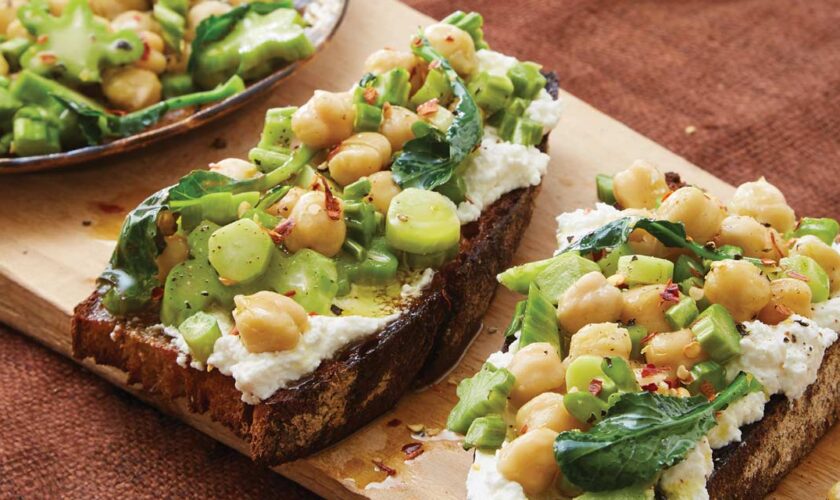
Every time a cook trims a head of cauliflower, strips dark kale leaves from their woody ribs, or lops off the bushy green plumes of young carrots, an unexamined reflex takes over. The cutting board is cleared with the broad side of a chef’s knife, sweeping a substantial portion of the vegetable’s total biomass directly into the trash or compost pail. For decades, conventional home recipes have reinforced this habit, instructing cooks to harvest only the most tender, uniform centers of plants while treating everything else as disposable packaging.
Root-to-stem cooking fundamentally dismantles this dichotomy. Modeled after the respectful, zero-waste ethos of whole-animal butchery and rooted in time-tested regional food cultures, this approach treats whole produce as an integrated culinary resource. The tough stalks, leafy crowns, papery skins, and fibrous cores are not waste products; they are distinct culinary components with unique textures, aromatic qualities, and concentrated sugars. Mastering root-to-stem cooking is not an exercise in reluctant austerity. When approached with proper technique, these overlooked plant parts yield bright condiments, deeply caramelized stocks, textural garnishes, and complex seasoning powders that elevate everyday home cooking.
Unlocking the Flavor Potential of Leaves and Green Tops
Vegetable tops often suffer from a marketing problem. Shoppers routinely snap the lush greens off carrots, radishes, beets, and turnips right in the grocery aisle, leaving them behind to avoid paying for excess weight. In doing so, they discard some of the most dynamic, nutrient-dense greens available.
Because leafy tops endure direct sun exposure and work continuously to feed the root below, they develop bold flavor profiles marked by earthy minerality, peppery heat, or slight bitterness. The secret to working with these greens lies in balancing their astringency with rich fats, acids, and salt.
Carrot fronds possess a delicate, fern-like structure and an assertive herbaceous profile reminiscent of a cross between Italian flat-leaf parsley and wild chervil. Rather than stewing them, which can make their fine texture slimy, treat them as a fresh finishing herb:
-
Herbaceous Sauces: Finely chop clean carrot tops and fold them into a classic chimichurri alongside garlic, red wine vinegar, and good olive oil to spoon over grilled meats.
-
Textured Pestos: Blend blanched carrot greens with toasted walnuts, grated aged cheese, garlic, and rich extra virgin olive oil. Blanching the greens in boiling salted water for fifteen seconds before shocking them in ice water locks in an emerald hue and softens raw bitterness.
-
Aromatic Finishing Garnishes: Mince raw carrot tops finely with lemon zest and flaky sea salt to create an herbal gremolata for roasted winter root vegetables.
Radish and turnip greens, on the other hand, carry a sharp, mustard-like pungency when raw. When exposed to heat, however, those sharp glucosinolates break down into gentle, sweet brassica flavors. Sauté washed radish tops in butter or bacon drippings with thinly sliced shallots, or fold them into a hot frittata right as the eggs begin to set.
Beet greens, which are botanically tied to Swiss chard, feature sweet, tender leaves and striking ruby-red veins. Braise them slowly with garlic, crushed red pepper flakes, and a splash of apple cider vinegar, or wilt them into warm grain bowls topped with roasted beets and goat cheese.
Rescuing Stems, Ribs, and Cores: Texture in Disguise
While greens offer intense herbal notes, vegetable stems and cores offer exceptional structural texture. Home cooks often discard the thick stems of broccoli, the solid base of cauliflower, and the fibrous ribs of Swiss chard because they seem impossibly woody.
The issue is rarely the entire stem, but rather the tough outer layer of lignified plant cellulose. Beneath that fibrous exterior lies a crisp, juicy core that is sweeter and milder than the florets or leaves above it.
Shaving and Sautéing Brassica Cores
Broccoli and cauliflower stalks are culinary goldmines waiting to be liberated. Use a sharp vegetable peeler or paring knife to carve away the tough, fibrous outer skin until you reach the pale, translucent jade interior.
This inner core can be sliced into matchsticks for raw, crunchy slaws tossed in a tangy mustard vinaigrette, or shaved paper-thin on a mandoline and dressed with lemon juice, olive oil, and shaved Parmesan. If cooked preparations are preferred, cut peeled broccoli stalks into bite-sized coins and stir-fry them over high heat with ginger and garlic; they retain an enjoyable crisp-tender bite long after the delicate florets would turn to mush.
Cauliflower cores can be diced small and folded into rice pilafs, simmered in chicken broth until velvety soft and pureed into rich, cream-free vegetable soups, or roasted alongside florets at high temperatures to achieve deep, nutty caramelization.
Transforming Fibrous Ribs Through Pickling and Braising
The wide, sturdy ribs of Swiss chard, collard greens, and Tuscan kale are often stripped out and discarded to make the leafy greens cook evenly. Instead of discarding them, bundle the stems together and slice them thinly across the grain.
Because chard stems possess a clean, celery-like snap with subtle earthy undertones, they excel in quick-pickling brines. Bring equal parts white wine vinegar and water to a simmer with sugar, salt, yellow mustard seeds, and cracked black peppercorns. Pour the hot brine over sliced, colorful chard stems packed in a glass jar. After twenty-four hours in the refrigerator, you have a vibrant, acid-forward condiment that adds crunch to rich braises, pulled pork sandwiches, or cheese boards.
Maximizing Peels, Skins, and Outer Husks
A surprising amount of vegetable prep starts with mindless peeling. For most clean, thin-skinned produce—such as young carrots, parsnips, and delicate-skinned summer squashes—peeling is entirely unnecessary. A vigorous scrub with a stiff kitchen brush under cool running water removes soil while preserving the skin, where much of the plant’s natural aroma and earthy character reside.
When thick, fibrous skins must be removed, do not rush them to the compost. Potato peels, sweet potato skins, and winter squash trimmings contain concentrated starches and sugars that crisp up beautifully under dry, intense heat.
To make potato skin crisps, toss clean, thoroughly dried potato peelings with melted beef tallow or high-smoke-point oil, kosher salt, and smoked paprika. Spread them in an even, single layer on a parchment-lined baking sheet and roast at 400 degrees Fahrenheit until shattering and golden brown. These crispy, blistered skins make an addictive bar snack or a textural garnish sprinkled over baked potatoes and chowders.
Even the tough skins of winter squashes, such as butternut and acorn, can be repurposed. Slice peeled skins into thin ribbons, toss them lightly in oil, and shallow-fry them until crisp, creating crunchy vegetable cracklings to crown autumn soups and risottos.
Mastering the Scrap Stock: The Discipline of Balance
The traditional scrap stock bag kept in the freezer is a staple of thrifty kitchens, but it often yields disappointing, murky results. Tossing every single vegetable remnant into a pot and simmering it for hours frequently produces a bitter, sulfurous, or overly sweet broth. A great scrap stock requires thoughtful ingredient curation.
Vegetables fall into distinct chemical profiles, and certain scraps do not belong in an all-purpose stock pot:
-
What to Keep: Allium trimmings (onion ends, leek tops, garlic skins), carrot tops and peelings, celery leaves and bottoms, mushroom stems, parsley and cilantro stems, tomato skins, and sweet corn cobs.
-
What to Avoid: Brassicas (cabbage cores, broccoli stalks, Brussels sprout leaves, turnip skins) and nightshade leaves. Brassicas release volatile sulfur compounds when boiled for extended periods, turning broth bitter, pungent, and cloudy. Starchy potato skins should also be omitted, as they break down into a cloudy sludge that makes clear straining impossible.
Mushroom stems are particularly valuable. Shiitake and cremini stems contain high concentrations of natural glutamic acid, the compound responsible for savory umami depth. Adding a handful of washed mushroom stems alongside the yellow papery skins of yellow onions not only builds a savory, mouth-coating base, but also imparts a rich, deep amber hue to the finished liquid without requiring artificial browning agents.
When building stock, cover your balanced frozen scraps with cold water, bring the pot to a gentle simmer, and maintain it for no longer than forty-five minutes to an hour. Unlike animal bones, which require hours to yield collagen, vegetables surrender their water-soluble flavors quickly. Extended boiling breaks down delicate aromatics and introduces bitter vegetable off-notes.
Preserving Odds and Ends Through Dehydration
One of the most elegant, space-efficient methods for repurposing clean vegetable scraps is transforming them into concentrated seasoning powders. Dehydration evaporates all internal water while concentrating essential oils, sugars, and natural minerals, resulting in long-lasting, shelf-stable pantry staples.
Leek tops serve as a prime example. While the pale green and white bases are celebrated in classic cooking, the dark, fibrous green tops are often cast aside due to their tough texture. Wash these dark green leaves thoroughly to clear any trapped sand, pat them completely dry, and slice them into ribbons.
Arrange the ribbons on a dehydrator tray or on a baking sheet inside an oven set to its lowest possible temperature, ideally between 150 and 170 degrees Fahrenheit. Once the leaves are completely dry, brittle, and snap cleanly between your fingers, let them cool to room temperature.
Transfer the dried greens to a high-speed blender or clean spice grinder and pulse them with coarse sea salt until reduced to a fine, olive-green powder. This homemade leek-ash salt delivers a smoky, savory onion punch that enlivens scrambled eggs, roasted meats, hot popcorn, and roasted potatoes.
You can apply the same dehydration technique to discarded tomato skins left over from canning, turning them into a vibrant red powder packed with natural acidity and umami, or to the clean outer skins and tops of shallots and garlic for an artisan allium blend that puts store-bought onion powder to shame.
Root-to-stem cooking is ultimately an exercise in shifting perspective. It invites cooks to look at a wooden cutting board not as a site of aggressive subtraction, but as a space of culinary possibility. When we stop viewing food trim through the narrow lens of traditional kitchen waste and begin treating it with culinary technique, we discover that the most exciting, complex flavors are often the very ones we were about to throw away.