Introduction
Cooking is more than following recipes—it’s a dance of technique, intuition, and creativity that transforms raw ingredients into nourishing, memorable meals. Whether you’re a seasoned home chef or just starting to experiment, mastering the fundamentals of cooking elevates both your palate and your confidence. In an era that honors fresh flavors, sustainability, and global inspiration, the finest kitchen tip is this: embrace curiosity and skill equally. This article shares thoughtfully curated cooking tips to help you refine your craft, delight your senses, and enjoy every step of your culinary journey.
Preparation: Setting the Stage for Success
Preparation is the foundation of great cooking. A little forethought and organization bring clarity, efficiency, and calm to the kitchen.
Mise en Place: Everything in Its Place
-
Prep Ingredients First: Chop, measure, and portion all elements before the heat rises.
-
Read the Recipe Thoroughly: Understanding timing and sequence reduces stress and errors.
-
Organize Tools: Keep knives sharp, pans accessible, and mixing bowls ready for action.
Invest in Quality Basics
-
The right knife makes all the difference—choose a chef’s knife and keep it honed.
-
Opt for sturdy, heavy-bottomed cookware that distributes heat evenly.
-
A digital thermometer, kitchen scale, and microplane zester simplify precision and flavor enhancement.
Mastering Technique: Key Skills for Flavor and Texture
Technique transforms simple ingredients into exceptional dishes.
Knife Skills
-
Control & Consistency: Practice dice, slice, chiffonade, and julienne for beautiful presentation and even cooking.
-
Safety Matters: Curl your fingers and keep knives dry for safer dicing.
Searing, Sautéing, and Roasting
-
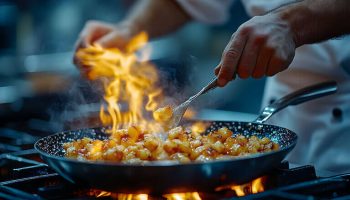
Searing meats at high heat develops rich color and savory depth.
-
Sauté vegetables just until bright to preserve flavor and nutrients.
-
Roasting concentrates sweetness—try root vegetables, chicken, or even fruit at high heat for caramelized goodness.
Seasoning
-
Layer Flavors: Salt early and taste as you go; add herbs, spices, and acids (lemon, vinegar) incrementally.
-
Finish dishes with a sprinkle of flaky salt, a squeeze of lemon, or fresh herbs to brighten the palate.
The Science of Timing and Temperature
Understanding heat and timing distinguishes the amateur from the expert.
Don’t Crowd the Pan
-
Space ingredients out—overcrowding leads to steaming, not browning.
Temperature Control
-
Preheat Pans: Always heat pans before adding oil; add ingredients only when oil shimmers.
-
Low and Slow: Gentle heat for soups, braises, and stews mellows flavors and tenderizes proteins.
-
Rest Meats: After cooking, rest meats so juices redistribute, ensuring tenderness.
Taste, Adjust, and Personalize
Cooking is as much about your senses as your skills.
Taste Early and Often
-
Sample at Every Stage: This ensures balance, lets you correct seasoning, and hones intuition.
-
Balance Sweet, Sour, Salt, Bitter, and Umami: Adjust flavors with vinegars, sugars, salts, and spices.
Experiment and Adapt
-
Substitute ingredients to suit dietary needs or pantry shortages—creativity leads to delicious discoveries.
-
Combine techniques, cuisines, and textures for fresh inspiration.
Embracing Sustainability and Efficiency
Thoughtful, resourceful cooking honors the planet and your wallet.
Reduce Food Waste
-
Use vegetable scraps for stocks, stale bread for croutons or breadcrumbs.
-
Plan meals around seasonal, local produce for better flavor and lower environmental impact.
Smart Storage
-
Label and organize leftovers; freeze herbs in olive oil, store nuts in the fridge to extend shelf life.
Presentation and Final Flourishes
How you serve a dish matters—visual and sensory appeal heighten enjoyment.
Simple Plate Styling
-
Use odd numbers, create contrast with color, and garnish thoughtfully.
-
Wipe plate edges clean for a professional touch.
Confidence in the Kitchen
Above all, let the joy of cooking shine through. Mistakes offer learning; successes invite celebration.
Trust Your Instincts
-
Cooking is flexible—explore, taste, and take notes for future improvement.
-
Involve family and friends—shared meals deepen relationships and build traditions.
Conclusion
Mastering cooking is a lifelong journey, grounded in essential techniques and open to endless inspiration. With preparation, practice, and a dash of creativity, your kitchen becomes an artful stage for nourishment and connection. Embrace each tip as an invitation to savor the process and celebrate every dish.