
close

Seafood

Seafood

How to Choose Fresh Seafood Like a Pro

Buying seafood doesn’t have to feel intimidating. Whether you’re standing at a bustling fish market or the chilled counter of a grocery store, knowing what to look for can help you walk away with fresh, flavorful, and safe seafood every time. Professionals rely on their senses, not guesswork, and you can do the same with a few simple techniques.

Why Freshness Matters in Seafood

Seafood is more delicate than most meats, which means freshness directly affects taste, texture, and food safety. Fresh fish cooks better, smells clean, and delivers the natural sweetness people expect from quality seafood. Poor-quality seafood, on the other hand, can ruin a dish and pose health risks.

Learning how to judge freshness gives you confidence and helps you get the best value for your money.

Start With the Smell Test

Your nose is your first and most reliable tool.

Fresh seafood should smell:

  • Clean and mild

  • Slightly briny, like the ocean

  • Never sour, ammonia-like, or overly “fishy”

If the smell makes you hesitate, trust that instinct. Truly fresh seafood never needs to be masked by strong odors.

How to Spot Fresh Whole Fish

When buying whole fish, appearance tells a clear story.

Look for these signs of freshness:

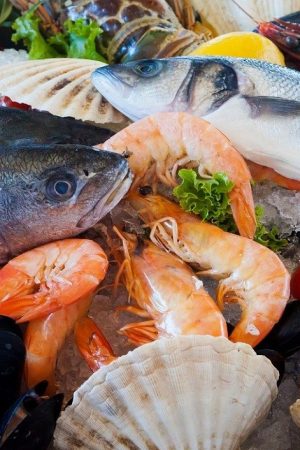
  • Clear, bright eyes that are slightly bulging

  • Firm flesh that springs back when pressed

  • Shiny, metallic skin with tightly attached scales

  • Red or pink gills, never brown or gray

Avoid fish with cloudy eyes, slimy skin, or dull coloring, as these indicate age.

Choosing the Freshest Fish Fillets

Fillets don’t have eyes or gills, so focus on texture and color.

Fresh fillets should be:

  • Moist but not watery

  • Translucent and vibrant in color

  • Free from browning, drying edges, or strong odors

If the fillet looks milky or leaves liquid pooling underneath, it’s likely past its prime.

Picking Quality Shrimp, Scallops, and Shellfish

Different seafood types have different freshness cues.

Shrimp

  • Should smell clean and slightly sweet

  • Flesh should be firm and glossy

  • Avoid shrimp with black spots or strong ammonia smells

Scallops

  • Fresh scallops are off-white to pale pink

  • Should feel slightly moist, not soaking in liquid

  • Avoid overly white scallops, which may be chemically treated

Live Shellfish (Clams, Mussels, Oysters)

  • Shells should be tightly closed or close when tapped

  • Avoid cracked or open shells that don’t respond

  • Live shellfish should feel heavy for their size

Understand the Importance of Proper Storage

How seafood is displayed matters almost as much as how it looks.

Fresh seafood should be:

  • Kept well-iced or properly refrigerated

  • Stored separately from strong-smelling foods

  • Handled with clean tools and surfaces

If the display area looks messy, warm, or poorly maintained, consider shopping elsewhere.

Ask the Right Questions

Don’t be shy. A good seafood counter welcomes questions.

Helpful questions include:

  • When was this seafood delivered?

  • Is it wild-caught or farm-raised?

  • Has it been previously frozen?

Clear, confident answers usually signal a reputable seller.

Plan Your Timing Like a Pro

Buy seafood as close as possible to cooking time. If you’re shopping early, store it properly at home by keeping it cold and dry, ideally on ice in the refrigerator, and use it within 24 hours.

Common Mistakes to Avoid When Buying Seafood

Many shoppers unknowingly make these errors:

  • Assuming frozen seafood is inferior

  • Ignoring mild off-odors

  • Choosing convenience over visible freshness

  • Failing to check storage conditions

Avoiding these mistakes instantly puts you ahead of the average buyer.

FAQs About Choosing Fresh Seafood

How long does fresh seafood last after purchase?

Most fresh seafood should be cooked within 24 to 48 hours if kept properly refrigerated.

Is frozen seafood less fresh than “fresh” seafood?

Not necessarily. High-quality frozen seafood is often frozen at peak freshness and can be better than old “fresh” options.

What does bad seafood smell like?

Spoiled seafood often smells sour, rotten, or like ammonia, which is a clear sign to avoid it.

Can I rely on sell-by dates for seafood?

Sell-by dates help, but sensory checks like smell and appearance are more reliable indicators of freshness.

Should seafood always be displayed on ice?

Yes, ice helps maintain proper temperature and slows bacterial growth, preserving freshness.

Is farm-raised seafood less fresh than wild-caught?

Freshness depends more on handling and storage than whether seafood is farmed or wild.

What’s the safest way to transport seafood home?

Use an insulated bag or cooler, especially in warm weather, and refrigerate immediately upon arrival.

read more
Seafood

Salt, Skill, and Sustainability: The Enduring Magic of Seafood

Introduction

Seafood is a culinary marvel—born of tide and tradition, bringing to the plate a symphony of textures, tastes, and stories shaped by the world’s waters. The ocean’s bounty offers a stunning variety, from briny oysters and sweet lobster to delicate whitefish and vibrant sea vegetables. Yet, more than a source of nutrition, seafood is an evolving canvas for human creativity and responsibility. Whether savored on sunlit piers or in elegant dining rooms, seafood continues to inspire chefs, connect cultures, and spark a dialogue about sustainability and identity. This article delves into the history, health, artistry, and ethics surrounding seafood, inviting you to celebrate its magic while honoring its future.

Seafood Through the Ages: Heritage at the Shore

Civilizations have flourished on the gifts of the sea, passing down recipes and rituals like precious heirlooms.

Aquatic Legends and Local Heroes

  • Ancient Origins: Greek fishermen, Japanese sushi masters, and coastal tribes worldwide cultivated seafood traditions that still resonate.

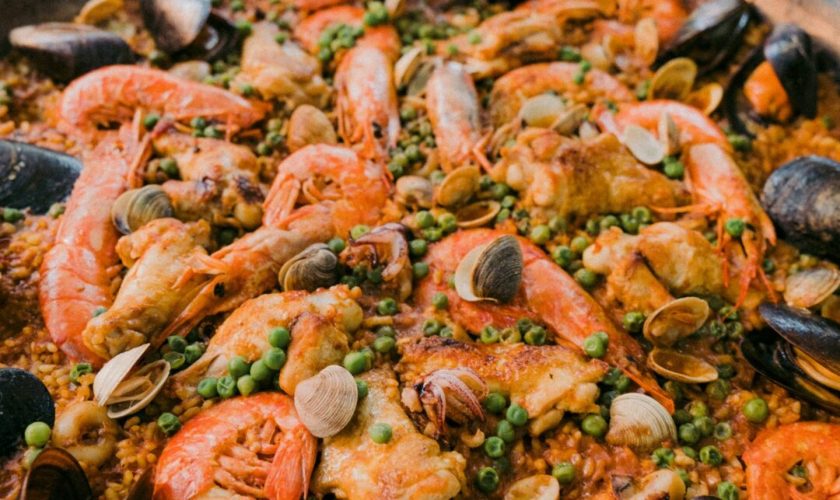
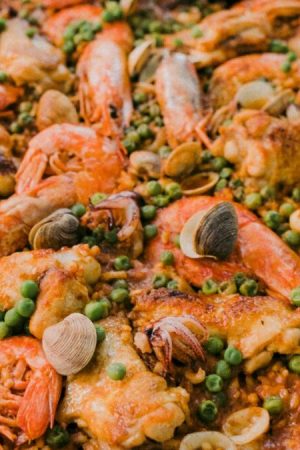
  • Regional Specialties: Spanish paella, Malaysian laksa, New England clam chowder, and Italian fritto misto reflect local waters and histories.

  • Cultural Festivals: From South Carolina oyster roasts to Scandinavian crayfish parties, seafood marks celebrations, harvests, and communal feast days.

A Living Tradition

  • Recipes are shared across generations—a fisherman’s stew, salted mackerel, or pickled anchovies, each imbued with memory and meaning.

  • Markets and harbors become storytellers, weaving together daily life with culinary adventure.

From Shore to Table: Pursuing Freshness and Ethics

A delicious seafood dish begins with thoughtful sourcing and responsible stewardship.

Navigating Choices

  • Seasonality and Proximity: Seek fish and shellfish when local waters are at their best, and support nearby fisheries.

  • Diversity and Discovery: Beyond classics like salmon, explore sardines, oysters, mussels, and underutilized species for new tastes and ecological balance.

  • Eco-Certification: Look for sustainable options—MSC, ASC, or other recognized labels signal a commitment to healthy oceans.

Facing Modern Realities

  • Overfishing, habitat loss, and pollution threaten not just abundance but cultural legacy.

  • Mindful consumers can make a difference by asking questions, choosing sustainable products, and staying informed.

The Culinary Craft: Techniques, Innovation, and Sensory Joy

Seafood invites exploration—a balance between honoring heritage and forging new paths.

Traditional Mastery

  • Grilling and Roasting: Perfect for hearty fish, adding a smoky dimension to flavor and texture.

  • Poaching and Steaming: Highlight delicacy, especially for whitefish, shellfish, and crustaceans.

  • Raw and Cured: Sashimi, ceviche, carpaccio, and gravlax reward freshness and restraint, allowing natural qualities to shine.

Creative Evolution

  • Culinary mash-ups—chili squid ramen, coconut curry mussels, or miso-glazed cod—blend global inspiration with local bounty.

  • Artistic presentation transforms seafood into edible sculpture, inviting diners to savor with their eyes first.

Perfect Pairings

  • Citrus, buttery sauces, fresh herbs, and spice blends underscore seafood’s brightness and complexity.

  • Wines—crisp whites, rosé, sparkling—or sake can elevate a dish while balancing flavors.

Nutrition: The Gift of the Sea

Seafood is lauded as much for its health benefits as its taste.

The Wellness Spectrum

  • High in lean protein, omega-3 fatty acids, vitamins D and B12, and minerals like iron and selenium.

  • Supports heart, brain, and joint health, and fits diverse eating styles (Mediterranean, paleo, pescatarian, gluten-free).

  • Suitable for elegant dinners and casual weeknight suppers alike—salmon fillets, crab cakes, and tuna salads are both nourishing and accessible.

Cautions and Choices

  • Choose sources carefully to minimize mercury and contaminants, especially for pregnant women and children.

  • Allergies call for vigilance; always check with purveyors or restaurants if uncertain.

Seafood in Celebration and Everyday Life

From grand feasts to simple suppers, seafood brings people together.

Festive Indulgence

  • Lobster and oysters mark anniversaries and achievements, while caviar graces the most luxurious gatherings.

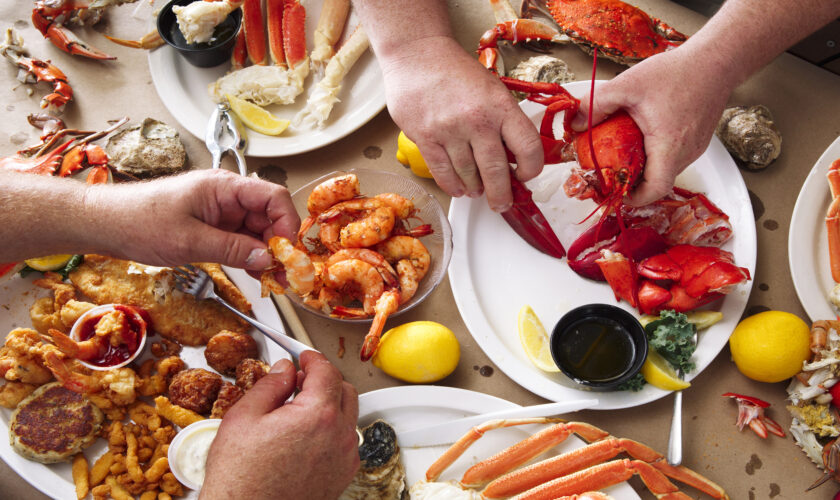
  • Shrimp boils, fish fries, and chowder pots foster laughter and connection at community events.

The Comfort of the Everyday

  • Easy-to-prepare favorites—grilled sardines, seafood risotto, clam pasta—offer nourishment and satisfaction year-round.

  • Leftover shells and bones become rich stocks, maximizing flavor and minimizing waste.

Toward a Sustainable Future

Stewardship of the ocean is inseparable from enjoyment of its bounty.

Responsible Enjoyment

  • Support local fishers and choose certified sustainable seafood.

  • Get creative—use every part of the fish, try new varieties, and share knowledge within your community.

  • Advocate for ocean health through mindful purchasing and educational conversations.

Conclusion

Seafood’s enduring magic lies in its ability to unite earth and ocean, tradition and innovation, feast and mindfulness. It asks us to savor with curiosity, create with responsibility, and celebrate with gratitude. With each bite, we taste not just the salt of the sea, but the care and craft of countless hands, and the promise of a healthier, more connected world.

read more
Seafood

Surf, Savor, and Sustain: The Enduring Allure of Seafood

Introduction

Seafood enchants the senses with its delicate textures, bold flavors, and the evocative scent of ocean breezes. Its journey from tidal waters to polished plates is a tale of heritage, ingenuity, and evolving values. Seafood is not simply a genre of ingredient—it is a celebration of culture, geography, and environmental stewardship. Whether embraced at coastal shacks or elevated in fine dining restaurants, seafood commands respect as both daily staple and festive indulgence. This article invites you to explore the profound world of seafood—from its roots in tradition to innovations in sustainability—revealing how each bite connects us to nature and community.

The Cultural Story of Seafood

Throughout history, seafood has shaped identities and marked milestones.

Anchored in Tradition

  • Civilizational Foundation: Ancient settlements thrived along abundant shores, crafting dishes from oysters, mussels, and myriad fish.

  • Iconic Preparations: Mediterranean bouillabaisse, Japanese sashimi, Portuguese bacalhau, and American clam chowder showcase local bounty and culinary artistry.

  • Festivals and Rituals: Celebrations built around the catch—oyster roasts, shrimp boils, crab feasts—reflect gratitude for the ocean’s gifts.

Passing Down Wisdom

  • Recipes are treasured family heirlooms, blending old techniques with new flavors and local catch.

  • Fish markets and community cookouts create social bonds that endure across generations.

Sourcing Seafood: Navigating Freshness and Ethics

Attentiveness to sourcing is essential for both taste and ecological responsibility.

Seeking the Best

  • Seasonality and Proximity: Favoring local, seasonal catch supports regional economies and ensures peak freshness.

  • Diversity of Choices: Beyond staple fish, shellfish and sea vegetables offer unique flavors and health benefits.

  • Certified Sustainability: Eco-labels and certifications—MSC, ASC—help consumers and chefs make environmentally conscious decisions.

Facing Modern Challenges

  • Overfishing, bycatch, and pollution threaten marine ecosystems—making educated consumption vital.

  • Opting for underutilized species and alternative aquaculture options fosters biodiversity and reduces strain on the most popular stocks.

The Culinary Canvas: Techniques Old and New

Seafood inspires both tradition and invention in kitchens worldwide.

Classic Methods

  • Grilling and Roasting: Highlight inherent flavors and textures, lending smokiness and crisp edges.

  • Steaming and Poaching: Maintain delicacy and purity, ideal for subtle varieties.

  • Raw Forms: Sashimi, ceviche, poke, and oysters epitomize freshness and minimal intervention.

Creative Twists

  • Fusion dishes emerge from cross-cultural inspiration—curry crab, miso-marinated black cod, and chili-lime grilled shrimp are modern favorites.

  • Presentation shifts from rustic (pots of mussels, newspaper-lined tables) to refined (artful plating, foam, and microgreens).

Pairing Wisdom

  • Citrus, fresh herbs, butter sauces, and spice blends heighten the natural brine or sweetness of each species.

  • Wine, sake, and craft beers can be chosen to complement the seafood’s character.

Nutrition and Wellness

Seafood is cherished for its health benefits as much as its flavor.

The Wellness Advantage

  • Rich in lean protein, omega-3 fatty acids, vitamins, and minerals.

  • Linked to cognitive function, cardiovascular health, and anti-inflammatory properties.

  • Adaptable to many dietary styles—Mediterranean, pescatarian, low-carb, gluten-free.

Smart Choices

  • Know your sources; monitor for mercury and allergens, especially for vulnerable groups.

  • Rotate between varieties for nutritional balance and ecological diversity.

Seafood at Celebrations and Everyday Meals

Seafood is central to both grand feasts and simple gatherings.

Festive Delights

  • Lobster for anniversaries, caviar for milestones, oysters for romantic evenings—seafood brings an air of luxury and meaning.

  • Shrimp boils, fried fish, and chowders foster lively communities and relaxed joy.

Everyday Comforts

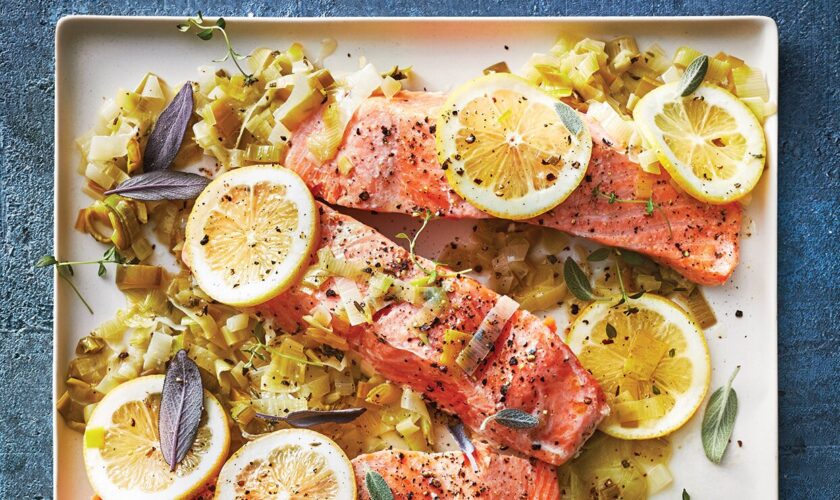
  • Grilled sardines, baked salmon, tuna salad—accessible, wholesome, and welcoming for home cooks.

  • Leftover scraps, bones, and shells enrich soups and stocks, exemplifying thrift and flavor.

Sustainability: The Future of Seafood

Mindful enjoyment and stewardship are inseparable.

Personal Responsibility

  • Opt for certified sustainable and local seafood.

  • Reduce waste by using the whole catch—head, bones, and shells included in stocks or sauces.

  • Support conservation initiatives and educate others on marine health.

Conclusion

Seafood invites us to savor not only flavor and craft but also the tides of history and conscience. It bridges continents, binds cultures, and teaches respect for the planet’s bounty. To enjoy seafood is to connect with nature, partake in tradition, and embrace tomorrow’s sustainability—each meal an opportunity to surf, savor, and sustain.

read more
Seafood

Ocean’s Palette: The Timeless Craft, Culture, and Appeal of Seafood

Introduction

Seafood is a journey from the water’s edge to the heart of the table—a culinary adventure rich in flavor, heritage, and sustainability. Revered for its diversity, health benefits, and sensory delights, seafood connects cultures, seasons, and generations. Whether it’s a humble pot of clams or an artful platter of sashimi, the role of seafood in dining is ever-evolving, embracing both tradition and innovation. This article traverses the vivid world of seafood, revealing its artistry, ecological significance, and emotional resonance in kitchens worldwide.

Roots and Rituals: Seafood Across Cultures

Seafood is a vital thread in the tapestry of global cuisine, anchoring rituals and shaping identities.

Historic Significance

  • Coastal Heritage: Civilizations from Greece to Japan have relied on seafood for nutrition, trade, and spiritual ceremonies.

  • Iconic Dishes: Italian linguine alle vongole, Cajun shrimp gumbo, French bouillabaisse, and Thai tom yum celebrate local catch and culinary ingenuity.

  • Festivals and Gatherings: Oyster roasts, crab feasts, and mooncake celebrations use seafood as a symbol of abundance and unity.

Passing Down Tradition

  • Recipes and techniques travel from generation to generation—a fisherman’s stew, a grandmother’s chowder, or a family paella—preserving not just taste but memory.

Sourcing and Sustainability: From Ocean to Plate

Modern seafood dining demands not only freshness but responsibility.

Selecting the Best

  • Varied Treasures: Shellfish, fish, crustaceans, and edible sea plants offer unique textures and flavors.

  • Seasonality and Proximity: Local sourcing ensures peak taste and supports community fisheries.

  • Sustainability First: Choosing responsibly harvested or farmed seafood—like MSC-certified fish or eco-friendly oysters—protects marine ecosystems and future harvests.

Navigating Challenges

  • Overfishing, habitat destruction, and climate change require vigilance: supporting sustainable fisheries is essential.

  • Awareness of mercury and bycatch guides consumption choices, prioritizing health and ecosystem balance.

The Culinary Canvas: Techniques and Inspiration

Seafood rewards both restraint and creativity, inviting cooks to respect tradition and spark innovation.

Classic Methods

  • Grilling and Broiling: Enhance robust flavors and lend smoky character to fish and shellfish.

  • Steaming and Poaching: Deliver delicate, moist results while preserving subtlety.

  • Raw Expressions: Sashimi, ceviche, tartare, and oysters on the half-shell showcase freshness and purity.

Creative Fusion

  • Chefs marry local seafood with global techniques—think miso-marinated black cod, tamarind-spiced mussels, or coconut curry crab.

  • Innovative presentations—from towering seafood platters to minimalist sushi boards—make eating a visual delight.

Nutrition and Wellness: The Healthful Gifts of the Sea

Seafood is prized for its rich nutritional profile and wellness benefits.

Nutritional Highlights

  • Lean protein and omega-3 fatty acids promote heart, brain, and immune health.

  • Low in saturated fat and high in essential minerals, seafood aligns with wellness-forward eating patterns.

Dietary Inclusivity

  • Options abound for pescatarians, athletes, and allergy-conscious diners, with various species suiting diverse needs.

Seafood in Festivity and Fine Dining

Seafood is the jewel of both family tables and elegant affairs.

Celebrating with the Catch

  • Oysters and champagne, caviar tastings, and lobster feasts symbolize luxury and achievement.

  • Simple joys—grilled mackerel, shrimp boils, mussel pots—foster laughter and togetherness in every setting.

Pairings and Complements

  • Wine selections (crisp whites, sparkling prosecco, sake) heighten the flavors of seafood dishes.

  • Fresh herbs, zesty sauces, and aromatic grains draw out the natural virtues of each catch.

Toward a Sustainable Future

Mindful choices ensure seafood’s abundance for generations.

Everyday Actions

  • Choose local and seasonal seafood to reduce your footprint.

  • Support eco-conscious vendors and sustainable certifications.

  • Embrace whole-catch cooking, using bones for stock and shells for broth to minimize waste.

Conclusion

Seafood is a treasure trove—connecting us to oceanic bounty, artisanal craft, and joyful tradition. It nourishes body and imagination, offering endless opportunities for exploration and celebration. Whether savored in a rustic beach shack or an haute cuisine dining room, seafood reminds us of the interconnected wonders of nature, culture, and taste.

read more
Seafood

The Art of Seafood: Mastering Selection, Preparation, and Cooking

Seafood is one of the most refined and diverse categories in the culinary world. From delicate shellfish to rich, flavorful fish, the variety of textures and tastes offers endless possibilities. Preparing seafood requires skill, precision, and an understanding of how to bring out its natural character while maintaining balance in flavor and presentation.

Understanding the Fundamentals of Seafood Selection

The quality of seafood determines the success of a dish. Choosing the freshest ingredients ensures optimal flavor and texture, making selection a crucial step in seafood preparation.

  • Freshness Indicators: Fresh seafood has a clean, ocean-like scent without any off-putting odors. Fish should have clear, bright eyes, firm flesh that springs back when pressed, and shiny, intact scales. Shellfish should have tightly closed shells or respond to touch if alive.
  • Sustainable Sourcing: Choosing responsibly sourced seafood supports environmental conservation and ensures superior quality. Wild-caught fish from regulated fisheries and farm-raised options from ethical sources provide the best combination of flavor and sustainability.
  • Seasonality Matters: Many seafood varieties are at their peak during specific times of the year. Seasonal seafood not only tastes better but also aligns with responsible fishing practices, ensuring availability for future generations.
  • Storage Considerations: Proper storage is essential to preserving freshness. Fish should be kept on ice or refrigerated at the lowest possible temperature. Live shellfish must be stored in breathable containers, and frozen seafood should be thawed gradually in the refrigerator for best results.

Selecting high-quality seafood lays the foundation for outstanding dishes, making attention to detail a key aspect of seafood preparation.

The Art of Preparing Seafood

Different seafood varieties require unique handling techniques to maintain texture and flavor. Proper preparation enhances the natural qualities of each ingredient.

  • Cleaning and Filleting: Whole fish should be scaled, gutted, and filleted with precision to ensure clean cuts and minimize waste. A sharp knife and steady technique preserve the integrity of the flesh.
  • Shellfish Handling: Clams, mussels, and oysters should be scrubbed and soaked in cold water to remove sand. Crustaceans like lobsters and crabs must be handled carefully to retain freshness and texture.
  • Marination and Seasoning: Seafood absorbs flavors quickly, making it important to avoid overpowering its delicate taste. Light marinades with citrus, fresh herbs, and aromatic spices enhance rather than mask the natural essence.
  • Brining for Moisture Retention: A short brine in salted water helps maintain moisture in lean seafood like cod or shrimp. This technique prevents dryness and enhances the overall texture of the dish.

Mastering these preparation techniques ensures that seafood remains the highlight of any dish, allowing its fresh, clean flavors to shine.

Cooking Methods for Perfectly Prepared Seafood

The right cooking technique enhances the texture and flavor of seafood while preserving its delicate nature. Understanding how heat interacts with different varieties ensures consistently refined results.

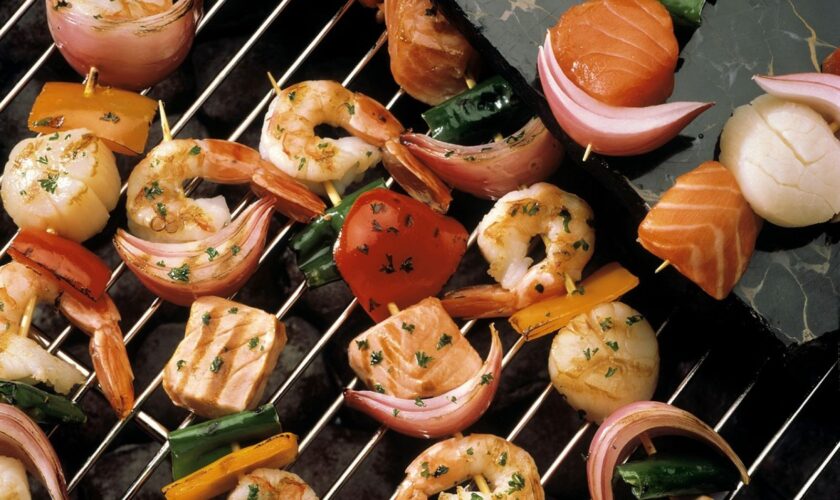
  • Grilling: Ideal for robust fish like salmon and tuna, grilling imparts a smoky depth while maintaining a firm texture. Using a well-oiled grill and cooking over medium heat prevents sticking and enhances caramelization.
  • Poaching: A gentle cooking method, poaching in aromatic broths or flavored oils preserves tenderness and infuses subtle flavors. This technique works particularly well for delicate fish such as sole and halibut.
  • Sautéing and Pan-Frying: A quick sear in a hot pan with butter or oil creates a crisp, golden crust while keeping the interior moist. Thin fillets of snapper, sea bass, or scallops respond beautifully to this technique.
  • Steaming: Retaining the purest flavors, steaming is a preferred method for shellfish and flaky white fish. Cooking seafood over simmering water with fresh herbs and citrus enhances its natural taste without the need for excessive seasoning.
  • Baking and Roasting: Whole fish, seafood casseroles, and shellfish benefit from oven cooking. Roasting at high temperatures enhances richness, while baking in parchment or foil preserves moisture and aroma.

Each method brings out unique characteristics, allowing seafood to be prepared in a way that best complements its natural qualities.

Pairing Flavors and Ingredients with Seafood

A well-balanced seafood dish relies on carefully chosen ingredients that complement rather than overpower its delicate flavors.

  • Citrus and Acidity: Lemon, lime, and vinegar provide a bright contrast that enhances seafood’s natural sweetness. A light drizzle of citrus or a splash of white wine refines the overall flavor profile.
  • Herbs and Aromatics: Dill, parsley, basil, and tarragon pair beautifully with seafood, adding depth without overwhelming. Garlic, shallots, and ginger contribute warmth and complexity.
  • Butter and Olive Oil: Rich yet subtle, butter and high-quality olive oils enhance the texture of seafood while allowing other ingredients to shine. A simple garlic butter sauce or a drizzle of extra virgin olive oil can transform a dish.
  • Spices and Heat: Delicate use of spices such as paprika, saffron, and coriander adds warmth without overshadowing seafood’s natural essence. A touch of heat from chili or cayenne creates depth without overwhelming the dish.

The key to successful seafood preparation lies in restraint—each ingredient should support rather than compete with the main component.

Seafood and Cultural Influences

Seafood plays a central role in many culinary traditions worldwide. Exploring regional techniques and preparations offers inspiration for creating exceptional dishes.

  • Mediterranean Cuisine: Olive oil, fresh herbs, and citrus define Mediterranean seafood dishes, with grilled fish and seafood stews taking center stage. Bouillabaisse from France and Spanish paella showcase seafood in aromatic, flavorful broths.
  • Asian Techniques: Japanese sashimi and sushi highlight the purity of raw fish, while Thai and Chinese cuisines incorporate bold spices and fragrant broths to enhance seafood’s natural flavors.
  • Latin American Flavors: Ceviche, a dish of marinated raw fish, showcases the vibrant acidity of lime and the freshness of herbs. Mexican seafood tacos and Brazilian moqueca offer a balance of richness and brightness.
  • Nordic Simplicity: Scandinavian seafood dishes focus on minimalism, with fresh fish often cured, smoked, or simply poached to highlight its clean flavors. Traditional gravlax and pickled herring exemplify this approach.

Drawing inspiration from these global traditions allows for creative interpretations while honoring the distinct qualities of seafood.

The Essence of Seafood Mastery

Cooking seafood is both an art and a science, requiring precision, respect for ingredients, and an appreciation for subtle flavors. The combination of expert selection, careful preparation, and thoughtful cooking techniques ensures that seafood remains one of the most refined elements in the culinary world. By embracing quality ingredients, mastering cooking methods, and understanding flavor balance, every seafood dish can achieve an impeccable standard of excellence.

read more
Seafood

Barbecued Ocean Food sources – Medical advantages For Diet Cognizant People

Do you favor eating fish as opposed to meat? Superb! You’re a wellbeing cognizant individual, and your assurance in satisfying your eating routine is extraordinary. We can infer a great deal of nutrients and minerals from fish dishes, other than the genuinely necessary protein for our body. Fish contains Omega 3 which is a poly unsaturated fat that is known to forestall the development of sores in the mind. These sores can trigger “Quiet or Smaller than expected Strokes” that can harm the mind, in this manner causing cognitive decline. These unsaturated fats additionally help in the support of good visual perception, gleaming skin, solid tissue and well working muscles. The low fat substance is indispensable to keep up with cholesterol and fatty oil levels which are gainful for a solid heart. It might likewise help in diminishing joint aggravation related with joint inflammation. With these various advantages you can get from ocean food sources, most likely this would be persuading enough for a meat darling to change to the ocean food varieties.

You can cook differed dishes utilizing new fish as your principle fixing. You can have flexibility simultaneously: fricasseeing, heating, poaching, steaming, stewing and barbecuing. In any case, we will amass in barbecued fish and ocean food sources. The advantageous and quick way of barbecuing, making a scrumptious just as nutritious supper that would extraordinarily help an individual on a tight eating routine. The low fat, subsequently lower calories that a fish menu gives is actually an eating routine supporter. Particularly whenever cooked by barbecuing. Browning, when not done as expected, assimilates a lot of oil, subsequently making it a major danger to calorie counters.

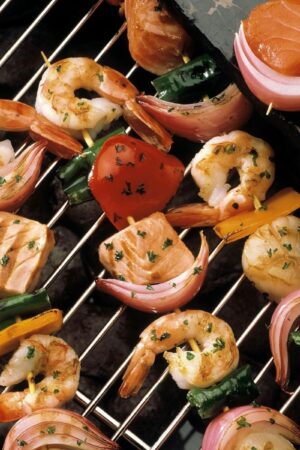
Delicate filet of fish like roost or flop must be set in a wire container when barbecued as a result of its propensity to fall to pieces when cooked. Enveloping it by aluminum foil can take care of this issue. You will know whether it’s as of now done, when it drops without any problem. You can test it by penetrating a fish with a fork.

Fish steak and salmon is all the more firm, so you can normally put it straightforwardly on the wire barbecue. Marinated filet or entire fish can be seasoned with a little vegetable or olive oil blended in with marinade. Turn the fish just a single time during cooking to abstain from breaking or disintegrating of your dish.

Shellfish like mollusks and mussels can be barbecued as well, yet you need to dispose of those that hadn’t opened following five minutes; since that is the cooking time ideal for shellfish, those that had not opened aren’t good for utilization. Shellfish requires less cooking time, for scrumptious and delicious outcome. It tends to be eaten crude with lemon and soy sauce as well.

Shrimps and Cray fish tastes better when barbecued as well. They are best served steaming hot and plunged in your #1 sauce; clearly you will see the value in the time and exertion spent in barbecuing it yourself.

Another great decision is medium to huge squid. Stuff the squid with cleaved tomatoes, onions and some new spices like basil; sprinkle with salt and preparing, then, at that point, putting it in the wire container to barbecue. This food is yummy as well, given you never overcook your squid since it will get truly intense.

Barbecued dishes are appropriate for diet cognizant people as prompted by dietitians and nutritionist. All things considered, anything in abundance is unsafe; so we actually need to rehearse control in eating.

read more
Seafood

Helpful Hints When Requesting Ocean Bottom At Eateries

Eating out can be a fun and heavenly experience; notwithstanding, there are a few variables which you need to give close consideration to. When eating out, ensure that you know about the carbohydrate contents, tidiness of the area, and the newness of the food. One of the nutrition classes which you should give particularly close consideration to is ocean depths. In contrast to meat, ocean depths disintegrates substantially more quickly than meat and poultry. That is the reason it is astute to be comfortable with these couple of helpful hints.

Above all else, it is totally urged to be demanding with regards to ocean depths. In contrast to any remaining food varieties, this specific nutrition type crumbles considerably more quickly. That is the reason give close consideration to your supper determination before you request it and as it comes out. Quite possibly the most helpful tip which you should remember is to never arrange fish or shrimp on a Monday (particularly from a café which doesn’t have some expertise in that food).

Numerous cafes don’t get any conveyances over the course of the end of the week. Considering that fish break down a lot quicker than poultry, requesting this specific dinner on Monday implies that the item is somewhere around a few days old. On some other day, assuming you need to actually take a look at the newness of your feast, there are multiple ways you can do as such. Obviously you can’t check a cooked piece of fish as you would a crude piece at your nearby supermarket, however you can in any case actually take a look at it for newness. When you accept your supper, smell the ocean depths. On the off chance that it smells off-putting, or of alkali, I’m sad to say that it’s not new!

Devouring new ocean bottom is extremely helpful to your wellbeing and your waistline. Sound sustenance (like barbecued fish), work out, whey nutrimelt shakes, and all regular eating regimen pills can assist you with getting more fit and keep it off.

read more
Seafood

Medical Advantages Of Ocean Food Varieties

The ocean is a liberal stock of food sources plentiful in nutrients. This is clear from the way that more than 3.5 billion individuals rely upon the oceans and seas as an essential wellspring of food. Internationally talking, ocean depths is more extravagant in protein contrasted with sheep, poultry and steers.

Fish is the most well-known ocean bottom eaten by man, and has a wide assortment of supplements including nutrients An and D, magnesium, phosphorus and selenium. These supplements are vital for the turn of events and improvement of the cerebrums of newborn children. For grown-ups, it helps in the insurance against stroke and heart illnesses. Here are a few advantages of eating fish as examination has uncovered that eating fish is useful to our bodies in numerous ways.

Useful For The Heart – Have you at any point asked why individuals in the icy district has extremely low degrees of coronary illness? It’s the fish they devour. Fish contains bunches of omega-3 and it is low in immersed fats. Omega-3 brings down the measure of cholesterol in the blood and secures the heart against infection. Some even recommended that an additional a fish dinner diminishes the danger of coronary illness significantly.

Better Joints – It has been found that indications of rheumatoid joint pain has been facilitated when endures eat fish as a feature of a fair eating regimen. Eating a greater amount of ocean food sources can assist with forestalling this condition.

More brilliant Eyes – The natural eyes is made splendid and solid through the normal utilization of oil-rich fish. For the individuals who are experiencing damaged vision particularly in advanced age, omega-3 unsaturated fats can assist with further developing sight, particularly for those experiencing age-related macular degeneration (AMD). This is a condition that makes the vision become foggy. Fish additionally contains nutrient A which helps night vision.

Fundamental Supplement – By eating fish, you are giving your body the essential supplement it needs, these are what keeps us sound. Some of them are selenium, iodine, potassium and zinc. Iodine is significant for a sound thyroid organ, and selenium creates the catalysts which shields us from disease.

Gleaming Skin – Have you at any point pondered the mystery of a brilliant skin look? A customary portion of fish supper will do that. Omega 3 doesn’t just assist with shielding our skin from the impact of bright waves, it can likewise assist with the diminishing of skin conditions like dermatitis. It is a genuine wellspring of protein which is vital for collagen that is needed for a sound, firm and adaptable skin.

Builds Mental ability – The mind is comprised of for the most part fat with its majority being omega 3. Most scientists have demonstrated that the people who eat ocean food varieties are more averse to experience the ill effects of memory issues and dementia in their last life. The DHA, an omega-3 found in ocean food varieties have been connected to a further developed memory work in youngsters.

read more