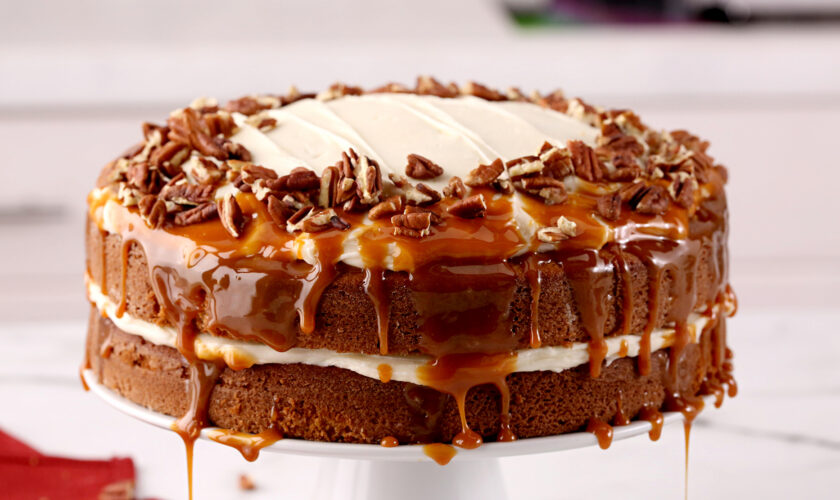
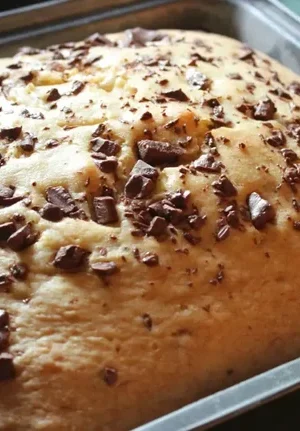
A perfectly fluffy cake isn’t an accident—it’s chemistry, physics, and technique working together. Behind that light, tender crumb is a series of small but critical decisions, from how you mix your batter to the temperature of your oven. Once you understand the science, fluffy cakes become repeatable, not mysterious.
The Role of Air: Where Fluffiness Begins
Fluffiness starts with air incorporation. Air expands when heated, creating lift inside the cake structure.
Key ways air gets into cake batter:
-
Creaming butter and sugar, which traps microscopic air bubbles
-
Whisking eggs, which adds both air and structure
-
Chemical leaveners like baking powder and baking soda, which release gas during baking
The goal is balance: enough air to lift the cake, but not so much that it collapses.
Why Ingredient Temperature Matters
Temperature affects how ingredients interact on a molecular level.
-
Room-temperature butter creams more efficiently, holding air instead of smearing
-
Room-temperature eggs emulsify better, creating a smoother batter
-
Cold ingredients can cause batters to curdle, losing trapped air
A smooth, well-emulsified batter bakes into a finer, softer crumb.
Flour, Protein, and the Tender Crumb
Flour provides structure, but too much strength makes cakes dense.
What influences tenderness:
-
Low-protein flours (like cake flour) produce softer cakes
-
Overmixing develops gluten, tightening the crumb
-
Proper measuring, ideally by weight, prevents excess flour
A fluffy cake needs just enough structure to hold air—no more.
Fats: More Than Just Flavor
Fat coats flour proteins, limiting gluten formation and improving softness.
Common cake fats and their effects:
-
Butter adds flavor and helps trap air during creaming
-
Oil produces extra moisture and a softer mouthfeel
-
Combination of both gives lift plus tenderness
Fat also slows moisture loss, keeping cakes soft longer after baking.
The Chemistry of Leavening Agents
Leavening agents are controlled gas producers.
-
Baking soda reacts with acids to release carbon dioxide
-
Baking powder contains both acid and base, activating with liquid and heat
Too little leavening creates dense cakes; too much causes rapid rise followed by collapse. Precision matters.
Sugar’s Hidden Job in Fluffiness
Sugar does far more than sweeten.
Its scientific roles include:
-
Tenderizing by weakening gluten
-
Stabilizing air bubbles during mixing
-
Delaying starch gelatinization, allowing more rise before the cake sets
Reducing sugar too aggressively often leads to flat, tough cakes.
Heat and Timing: The Oven’s Influence
The oven is where science becomes structure.
-
Correct oven temperature ensures steady expansion of air and gases
-
Too hot causes early crust formation and cracked tops
-
Too cool leads to poor rise and dense texture
Avoid opening the oven early—sudden heat loss can collapse delicate cakes before they set.
Moisture Balance and Cake Longevity
Fluffiness isn’t just about rise—it’s also about moisture retention.
Moisture comes from:
-
Eggs
-
Milk or buttermilk
-
Syrups or sugar content
Balanced moisture keeps the crumb soft, elastic, and light even a day after baking.
Final Takeaway: Fluffiness Is Controlled, Not Lucky
Perfectly fluffy cakes are the result of:
-
Proper air incorporation
-
Controlled gluten development
-
Accurate leavening
-
Stable emulsions
-
Gentle, even heat
Once these scientific principles are respected, fluffiness becomes consistent—not accidental.
Frequently Asked Questions (FAQ)
1. Can I make a fluffy cake without an electric mixer?
Yes, but it requires extra effort. Hand creaming butter and sugar thoroughly is essential to trap enough air.
2. Why does my cake rise well but sink in the middle?
This often happens due to excess leavening, underbaking, or opening the oven door too early.
3. Does altitude affect cake fluffiness?
Yes. Higher altitudes reduce air pressure, causing cakes to rise faster and potentially collapse without recipe adjustments.
4. Is cake flour always better for fluffy cakes?
Cake flour helps with tenderness, but all-purpose flour can work if mixed gently and measured accurately.
5. Can I substitute oil for butter and still get a fluffy cake?
Yes, though the texture will be softer and moister, with slightly less aeration than butter-based cakes.
6. How long should I cream butter and sugar?
Usually 2–4 minutes until pale and fluffy. Under-creaming limits air; over-creaming weakens structure.
7. Why does overbaking make cakes dry instead of fluffy?
Excess heat drives off moisture and tightens the crumb, undoing the delicate structure created during mixing.