Introduction
Seafood enchants the senses with its delicate textures, bold flavors, and the evocative scent of ocean breezes. Its journey from tidal waters to polished plates is a tale of heritage, ingenuity, and evolving values. Seafood is not simply a genre of ingredient—it is a celebration of culture, geography, and environmental stewardship. Whether embraced at coastal shacks or elevated in fine dining restaurants, seafood commands respect as both daily staple and festive indulgence. This article invites you to explore the profound world of seafood—from its roots in tradition to innovations in sustainability—revealing how each bite connects us to nature and community.
The Cultural Story of Seafood
Throughout history, seafood has shaped identities and marked milestones.
Anchored in Tradition
-
Civilizational Foundation: Ancient settlements thrived along abundant shores, crafting dishes from oysters, mussels, and myriad fish.
-
Iconic Preparations: Mediterranean bouillabaisse, Japanese sashimi, Portuguese bacalhau, and American clam chowder showcase local bounty and culinary artistry.
-
Festivals and Rituals: Celebrations built around the catch—oyster roasts, shrimp boils, crab feasts—reflect gratitude for the ocean’s gifts.
Passing Down Wisdom
-
Recipes are treasured family heirlooms, blending old techniques with new flavors and local catch.
-
Fish markets and community cookouts create social bonds that endure across generations.
Sourcing Seafood: Navigating Freshness and Ethics
Attentiveness to sourcing is essential for both taste and ecological responsibility.
Seeking the Best
-
Seasonality and Proximity: Favoring local, seasonal catch supports regional economies and ensures peak freshness.
-
Diversity of Choices: Beyond staple fish, shellfish and sea vegetables offer unique flavors and health benefits.
-
Certified Sustainability: Eco-labels and certifications—MSC, ASC—help consumers and chefs make environmentally conscious decisions.
Facing Modern Challenges
-
Overfishing, bycatch, and pollution threaten marine ecosystems—making educated consumption vital.
-
Opting for underutilized species and alternative aquaculture options fosters biodiversity and reduces strain on the most popular stocks.
The Culinary Canvas: Techniques Old and New
Seafood inspires both tradition and invention in kitchens worldwide.
Classic Methods
-
Grilling and Roasting: Highlight inherent flavors and textures, lending smokiness and crisp edges.
-
Steaming and Poaching: Maintain delicacy and purity, ideal for subtle varieties.
-
Raw Forms: Sashimi, ceviche, poke, and oysters epitomize freshness and minimal intervention.
Creative Twists
-
Fusion dishes emerge from cross-cultural inspiration—curry crab, miso-marinated black cod, and chili-lime grilled shrimp are modern favorites.
-
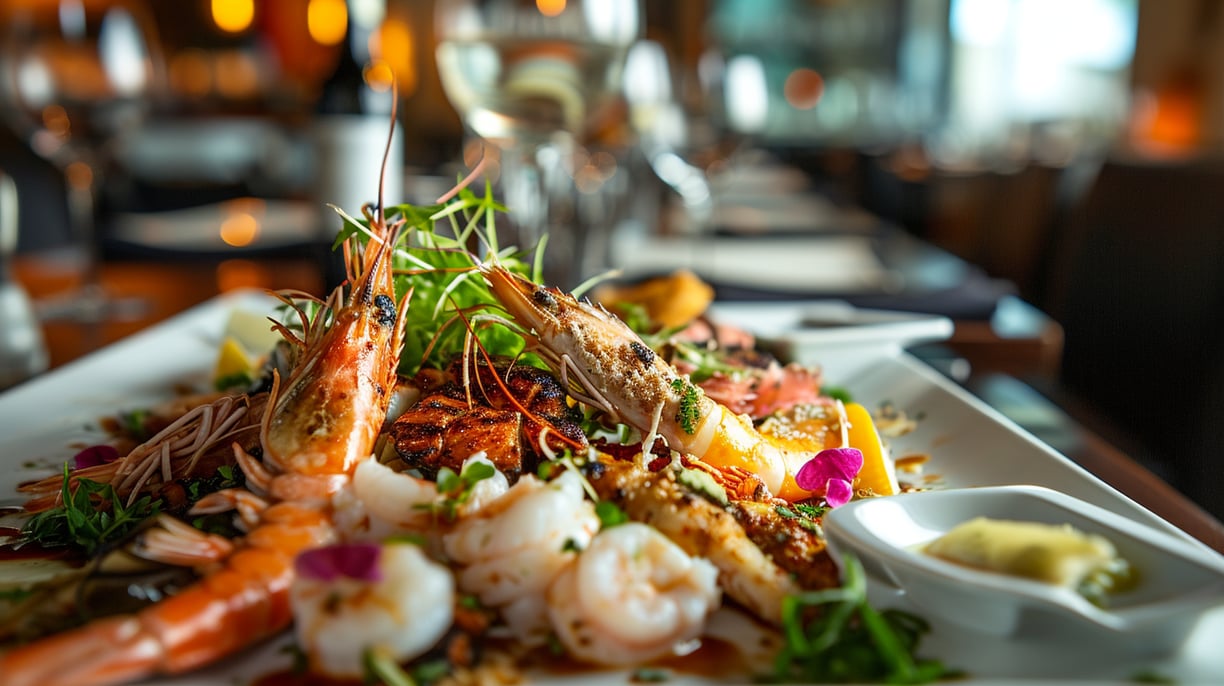
Presentation shifts from rustic (pots of mussels, newspaper-lined tables) to refined (artful plating, foam, and microgreens).
Pairing Wisdom
-
Citrus, fresh herbs, butter sauces, and spice blends heighten the natural brine or sweetness of each species.
-
Wine, sake, and craft beers can be chosen to complement the seafood’s character.
Nutrition and Wellness
Seafood is cherished for its health benefits as much as its flavor.
The Wellness Advantage
-
Rich in lean protein, omega-3 fatty acids, vitamins, and minerals.
-
Linked to cognitive function, cardiovascular health, and anti-inflammatory properties.
-
Adaptable to many dietary styles—Mediterranean, pescatarian, low-carb, gluten-free.
Smart Choices
-
Know your sources; monitor for mercury and allergens, especially for vulnerable groups.
-
Rotate between varieties for nutritional balance and ecological diversity.
Seafood at Celebrations and Everyday Meals
Seafood is central to both grand feasts and simple gatherings.
Festive Delights
-
Lobster for anniversaries, caviar for milestones, oysters for romantic evenings—seafood brings an air of luxury and meaning.
-
Shrimp boils, fried fish, and chowders foster lively communities and relaxed joy.
Everyday Comforts
-
Grilled sardines, baked salmon, tuna salad—accessible, wholesome, and welcoming for home cooks.
-
Leftover scraps, bones, and shells enrich soups and stocks, exemplifying thrift and flavor.
Sustainability: The Future of Seafood
Mindful enjoyment and stewardship are inseparable.
Personal Responsibility
-
Opt for certified sustainable and local seafood.
-
Reduce waste by using the whole catch—head, bones, and shells included in stocks or sauces.
-
Support conservation initiatives and educate others on marine health.
Conclusion
Seafood invites us to savor not only flavor and craft but also the tides of history and conscience. It bridges continents, binds cultures, and teaches respect for the planet’s bounty. To enjoy seafood is to connect with nature, partake in tradition, and embrace tomorrow’s sustainability—each meal an opportunity to surf, savor, and sustain.