
Buying seafood doesn’t have to feel intimidating. Whether you’re standing at a bustling fish market or the chilled counter of a grocery store, knowing what to look for can help you walk away with fresh, flavorful, and safe seafood every time. Professionals rely on their senses, not guesswork, and you can do the same with a few simple techniques.
Why Freshness Matters in Seafood
Seafood is more delicate than most meats, which means freshness directly affects taste, texture, and food safety. Fresh fish cooks better, smells clean, and delivers the natural sweetness people expect from quality seafood. Poor-quality seafood, on the other hand, can ruin a dish and pose health risks.
Learning how to judge freshness gives you confidence and helps you get the best value for your money.
Start With the Smell Test
Your nose is your first and most reliable tool.
Fresh seafood should smell:
-
Clean and mild
-
Slightly briny, like the ocean
-
Never sour, ammonia-like, or overly “fishy”
If the smell makes you hesitate, trust that instinct. Truly fresh seafood never needs to be masked by strong odors.
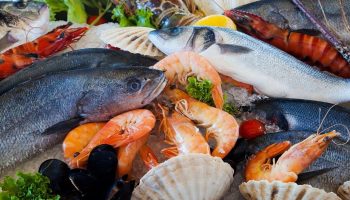
How to Spot Fresh Whole Fish
When buying whole fish, appearance tells a clear story.
Look for these signs of freshness:
-
Clear, bright eyes that are slightly bulging
-
Firm flesh that springs back when pressed
-
Shiny, metallic skin with tightly attached scales
-
Red or pink gills, never brown or gray
Avoid fish with cloudy eyes, slimy skin, or dull coloring, as these indicate age.
Choosing the Freshest Fish Fillets
Fillets don’t have eyes or gills, so focus on texture and color.
Fresh fillets should be:
-
Moist but not watery
-
Translucent and vibrant in color
-
Free from browning, drying edges, or strong odors
If the fillet looks milky or leaves liquid pooling underneath, it’s likely past its prime.
Picking Quality Shrimp, Scallops, and Shellfish
Different seafood types have different freshness cues.
Shrimp
-
Should smell clean and slightly sweet
-
Flesh should be firm and glossy
-
Avoid shrimp with black spots or strong ammonia smells
Scallops
-
Fresh scallops are off-white to pale pink
-
Should feel slightly moist, not soaking in liquid
-
Avoid overly white scallops, which may be chemically treated
Live Shellfish (Clams, Mussels, Oysters)
-
Shells should be tightly closed or close when tapped
-
Avoid cracked or open shells that don’t respond
-
Live shellfish should feel heavy for their size
Understand the Importance of Proper Storage
How seafood is displayed matters almost as much as how it looks.
Fresh seafood should be:
-
Kept well-iced or properly refrigerated
-
Stored separately from strong-smelling foods
-
Handled with clean tools and surfaces
If the display area looks messy, warm, or poorly maintained, consider shopping elsewhere.
Ask the Right Questions
Don’t be shy. A good seafood counter welcomes questions.
Helpful questions include:
-
When was this seafood delivered?
-
Is it wild-caught or farm-raised?
-
Has it been previously frozen?
Clear, confident answers usually signal a reputable seller.
Plan Your Timing Like a Pro
Buy seafood as close as possible to cooking time. If you’re shopping early, store it properly at home by keeping it cold and dry, ideally on ice in the refrigerator, and use it within 24 hours.
Common Mistakes to Avoid When Buying Seafood
Many shoppers unknowingly make these errors:
-
Assuming frozen seafood is inferior
-
Ignoring mild off-odors
-
Choosing convenience over visible freshness
-
Failing to check storage conditions
Avoiding these mistakes instantly puts you ahead of the average buyer.
FAQs About Choosing Fresh Seafood
How long does fresh seafood last after purchase?
Most fresh seafood should be cooked within 24 to 48 hours if kept properly refrigerated.
Is frozen seafood less fresh than “fresh” seafood?
Not necessarily. High-quality frozen seafood is often frozen at peak freshness and can be better than old “fresh” options.
What does bad seafood smell like?
Spoiled seafood often smells sour, rotten, or like ammonia, which is a clear sign to avoid it.
Can I rely on sell-by dates for seafood?
Sell-by dates help, but sensory checks like smell and appearance are more reliable indicators of freshness.
Should seafood always be displayed on ice?
Yes, ice helps maintain proper temperature and slows bacterial growth, preserving freshness.
Is farm-raised seafood less fresh than wild-caught?
Freshness depends more on handling and storage than whether seafood is farmed or wild.
What’s the safest way to transport seafood home?
Use an insulated bag or cooler, especially in warm weather, and refrigerate immediately upon arrival.