close

Stefan Jadiel

Soup

Currents of Taste: The Vibrant Heritage and Modern Impact of Seafood

Introduction

Seafood is a universal language of flavor, tradition, and celebration. Its story spans continents and centuries, tracing the connections between coastlines and cultures. From rustic piers to sophisticated dining rooms, seafood commands respect and invites curiosity—combining the bounty of the sea with human ingenuity and care. Beyond its culinary delights, seafood speaks to health, sustainability, and community, making it a cornerstone of global cuisine. This article explores the rich tapestry of seafood: from its deep-rooted heritage to its contemporary influence, sensory pleasures, and enduring responsibilities.

A Legacy Anchored in the Waters

Seafood has shaped both daily life and grand celebration across human history.

Coastal Traditions and Rituals

  • Ancient Nourishment: Early civilizations flourished beside abundant waters, relying on shellfish, fish, and sea vegetables for sustenance.

  • Iconic Dishes: Mediterranean bouillabaisse, Peruvian ceviche, Japanese sushi, and Southern gumbo each bear local spirit and creative mastery.

  • Seasonal Festivals: Oyster roasts, shrimp boils, crab feasts, and lunar new year banquets center community and gratitude around the catch.

Stories Passed Through Generations

  • Recipes for fisherman’s stews, salted mackerel, and smoked salmon traverse generations, becoming edible heirlooms.

  • Fish markets, harbors, and home kitchens foster bonds that bind communities in shared tradition.

Sourcing Seafood: Balancing Pleasure and Planet

Attentive sourcing is the foundation of good taste and ethical stewardship.

Pursuing Quality and Sustainability

  • Local and Seasonal: Choosing regional, in-season seafood supports flavor, freshness, and local economies.

  • Diverse Offerings: Sustainable fisheries promote underutilized species—like sardines, mussels, or seaweed—expanding palates and protecting overfished stocks.

  • Eco-Certification: Seek trusted certifications (MSC, ASC) and ask about sourcing to ensure marine health.

Navigating Challenges

  • Modern dilemmas—overfishing, climate change, pollution—demand informed choices and advocacy.

  • Embracing shell-to-tail practices (using shells, bones, and off-cuts) reduces waste and maximizes nutrition.

Cooking and Creativity: The Artistry of Seafood

Seafood is a canvas for both tradition and innovation in the kitchen.

Classic Techniques

  • Grilling and Roasting: Impart smoky complexity to robust fish and shellfish.

  • Poaching and Steaming: Preserve moisture, tenderness, and delicate flavors.

  • Raw and Cured: Sashimi, ceviche, poke, and gravlax showcase freshness and minimal intervention.

Modern Inspiration

  • Fusion recipes—chili-lime shrimp, miso-glazed cod, coconut curry mussels—highlight the ocean’s versatility.

  • Creative plating: vibrant colors, geometric arrangements, and playful garnishes turn meals into multisensory events.

Pairing with Finesse

  • Bright herbs, citrus, aromatic spices, and rich dressings enhance natural flavors.

  • Crisp white wines, sake, and sparkling beverages match the texture and subtlety of seafood dishes.

Seafood and Wellness: Nourishment from the Ocean

Seafood is praised for its gifts to health as well as the palate.

Nutritional Benefits

  • Rich source of high-quality protein, omega-3s, and vital minerals.

  • Supports heart and brain health, reduces inflammation, and fits countless dietary styles—pescatarian, gluten-free, Mediterranean.

  • Many varieties are naturally low in calories and saturated fat.

Mindful Choices

  • Monitor for mercury and allergens, particularly for children and expectant mothers.

  • Vary species for broad nutrition and minimal environmental impact.

Seafood in Life’s Celebrations

Seafood lends occasion and elegance to gatherings, big and small.

Festive Feasting

  • Lobster, oysters, and caviar signify luxury at anniversaries, holidays, and weddings.

  • Communal classics—shrimp boils, mussel pots, fried fish—fuel laughter and connection at everyday suppers.

Home Comforts

  • Baked salmon, seafood risotto, tuna salads—all accessible and rich in flavor for family meals.

  • Broths, stocks, and chowders from leftover scraps highlight thrift and skill.

Looking Ahead: Sustainability and Stewardship

Enjoying seafood means honoring its future.

Everyday Action

  • Choose local, sustainable, and seasonally available seafood.

  • Learn more about ocean conservation and campaign for cleaner, healthier waters.

  • Support community fisheries, markets, and restaurants invested in eco-friendly practices.

Conclusion

Seafood is more than food—it is a bridge from ocean to table, past to present, and local terrain to global movement. Its vibrant legacy continues to inspire joy, discovery, and responsibility. As you savor each bite, remember: you participate in a tradition shaped by nature, culture, and care.

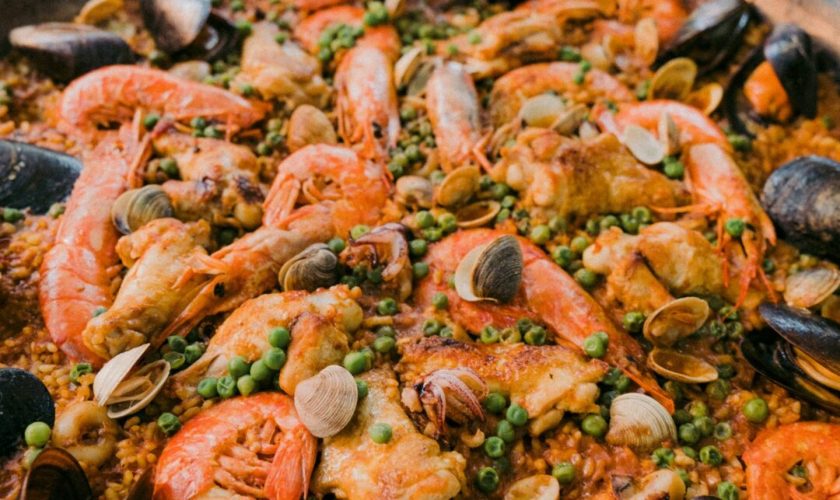
read more
Bakery & Cake

Sugar, Craft, and Memory: The Enduring Artistry of Bakeries and Cakes

Introduction

Bakeries and cakes carry a certain magic—a blend of nostalgia, artistry, and irresistible aromas that invite us in and anchor our fondest memories. Whether it’s the daily ritual of a fresh baguette, the elaborate tiers of a wedding cake, or the delicate crumb of a homemade scone, these creations exist at the crossroads of comfort and celebration. Throughout history, bakeries have held a special place in every community, evolving from humble hearths to celebrated patisseries that transform flour and sugar into edible works of art. This article dives into the soulful world of bakery and cake, exploring their roles as makers of joy, taste, and connection.

The Bakery: Heartbeat of Community and Innovation

A bakery is more than a business—it’s a living tradition and a creative hub.

Anchored in Everyday Ritual

  • Morning Gatherings: Bakeries awaken cities, towns, and villages with the scent of sourdough, rye, or sweet pastries, becoming meeting places for friends and families.

  • Neighborhood Identity: Regional specialties—Berlin’s streuselkuchen, Mumbai’s pav, Paris’s croissants—reflect distinct cultures and histories.

  • Generational Wisdom: Family-run bakeries often serve as local institutions, passing down recipes, techniques, and the secret touch of care.

Evolving with the Times

  • Artisan bakeries revive ancient practices: stone mills, slow fermentation, and natural starters.

  • Innovators blend classic methods with global influences—matcha loaf, miso rye, vegan brioche—welcoming new tastes and lifestyles.

  • Modern bakeries offer gluten-free, nut-free, and low-sugar options, ensuring inclusivity without sacrificing quality.

Cake: Masterpiece and Milestone

At the heart of celebration stands the cake—a universal symbol of joy, love, and accomplishment.

Tiers of Tradition and Creativity

  • Cultural Symbols: Fruitcakes at Christmas, tres leches for birthdays, mooncakes during harvest—all carry rich histories and communal spirit.

  • Occasions to Remember: Wedding cakes express romance and style; birthday cakes bear wishes and whimsical designs. Cakes mark rites of passage, achievements, and reunions.

  • Design and Artistry: Fondant sculptures, buttercream blooms, minimalist glazing, and personalized colors—cakes transform into edible art, capturing the essence of the event.

The Craft Behind the Slice

  • Flavor layering is elemental: chocolate mousse with raspberry jam, lemon sponge with poppy seed cream, almond cake soaked in honey syrup.

  • Decoration is personal—monograms, themes, favorite colors, or inside jokes make each cake unique.

  • Bakers fuse tradition and innovation, creating entirely new genres: gluten-free carrot cake, vegan red velvet, international mash-ups like chai-spiced vanilla.

Science Meets Magic: The Alchemy of Baking

Behind every loaf and cake is the harmony of chemistry and intuition.

Essential Techniques

  • Leavening: Wild yeast, baking powder, and air incorporate structure and height.

  • Texture Balance: Achieving crisp crusts, moist crumbs, and flakey layers demands technical precision.

  • Temperature Control: Proofing, kneading, and baking require patient and skillful timing.

Experimentation and Discovery

  • Bakers test new combinations—buckwheat with citrus, chocolate with chili, olive oil with rosemary.

  • Visual innovation: ombré cakes, drip decorations, artistic piping, metallic finishes.

  • Themed dessert tables, brunch bars, and multi-course dessert collaborations elevate bakery artistry.

Bakery and Cake in Modern Life

Bakeries and cakes are both practical and pleasurable, nourishing body and soul.

Nourishing Connections

  • Sharing bakery treats at gatherings fosters camaraderie, comfort, and gratitude.

  • Gifting cakes expresses generosity and marks meaningful occasions.

  • Family recipes and traditions bring generations together to bake, decorate, and celebrate.

Community and Inclusivity

  • Some bakeries support local causes: donating unsold goods, hosting baking workshops, providing employment and skill-building.

  • Collaborative spaces—cafés, culinary pop-ups, community markets—blur lines, supporting creativity and entrepreneurship.

Sustainability and the Future

As tastes evolve and awareness grows, bakeries rise to the challenge of sustainability.

Better Baking

  • Sourcing local and organic ingredients promotes ecological health and exceptional flavor.

  • Reimagining leftovers—bread puddings, cake truffles—reduces waste and sparks culinary invention.

  • Compostable packaging, energy-efficient ovens, and transparent sourcing help bakeries support greener futures.

Conclusion

Bakeries and cakes are woven into the tapestry of human experience—filling daily routines with delight and elevating milestones to unforgettable heights. Their creative spirit lives on in each crust, crumb, and glaze, inviting us to pause and savor life’s sweetest moments. In every loaf shared, every cake sliced, there’s a story of tradition, innovation, and joyful connection that transcends taste.

read more
Seafood

Ocean’s Palette: The Timeless Craft, Culture, and Appeal of Seafood

Introduction

Seafood is a journey from the water’s edge to the heart of the table—a culinary adventure rich in flavor, heritage, and sustainability. Revered for its diversity, health benefits, and sensory delights, seafood connects cultures, seasons, and generations. Whether it’s a humble pot of clams or an artful platter of sashimi, the role of seafood in dining is ever-evolving, embracing both tradition and innovation. This article traverses the vivid world of seafood, revealing its artistry, ecological significance, and emotional resonance in kitchens worldwide.

Roots and Rituals: Seafood Across Cultures

Seafood is a vital thread in the tapestry of global cuisine, anchoring rituals and shaping identities.

Historic Significance

  • Coastal Heritage: Civilizations from Greece to Japan have relied on seafood for nutrition, trade, and spiritual ceremonies.

  • Iconic Dishes: Italian linguine alle vongole, Cajun shrimp gumbo, French bouillabaisse, and Thai tom yum celebrate local catch and culinary ingenuity.

  • Festivals and Gatherings: Oyster roasts, crab feasts, and mooncake celebrations use seafood as a symbol of abundance and unity.

Passing Down Tradition

  • Recipes and techniques travel from generation to generation—a fisherman’s stew, a grandmother’s chowder, or a family paella—preserving not just taste but memory.

Sourcing and Sustainability: From Ocean to Plate

Modern seafood dining demands not only freshness but responsibility.

Selecting the Best

  • Varied Treasures: Shellfish, fish, crustaceans, and edible sea plants offer unique textures and flavors.

  • Seasonality and Proximity: Local sourcing ensures peak taste and supports community fisheries.

  • Sustainability First: Choosing responsibly harvested or farmed seafood—like MSC-certified fish or eco-friendly oysters—protects marine ecosystems and future harvests.

Navigating Challenges

  • Overfishing, habitat destruction, and climate change require vigilance: supporting sustainable fisheries is essential.

  • Awareness of mercury and bycatch guides consumption choices, prioritizing health and ecosystem balance.

The Culinary Canvas: Techniques and Inspiration

Seafood rewards both restraint and creativity, inviting cooks to respect tradition and spark innovation.

Classic Methods

  • Grilling and Broiling: Enhance robust flavors and lend smoky character to fish and shellfish.

  • Steaming and Poaching: Deliver delicate, moist results while preserving subtlety.

  • Raw Expressions: Sashimi, ceviche, tartare, and oysters on the half-shell showcase freshness and purity.

Creative Fusion

  • Chefs marry local seafood with global techniques—think miso-marinated black cod, tamarind-spiced mussels, or coconut curry crab.

  • Innovative presentations—from towering seafood platters to minimalist sushi boards—make eating a visual delight.

Nutrition and Wellness: The Healthful Gifts of the Sea

Seafood is prized for its rich nutritional profile and wellness benefits.

Nutritional Highlights

  • Lean protein and omega-3 fatty acids promote heart, brain, and immune health.

  • Low in saturated fat and high in essential minerals, seafood aligns with wellness-forward eating patterns.

Dietary Inclusivity

  • Options abound for pescatarians, athletes, and allergy-conscious diners, with various species suiting diverse needs.

Seafood in Festivity and Fine Dining

Seafood is the jewel of both family tables and elegant affairs.

Celebrating with the Catch

  • Oysters and champagne, caviar tastings, and lobster feasts symbolize luxury and achievement.

  • Simple joys—grilled mackerel, shrimp boils, mussel pots—foster laughter and togetherness in every setting.

Pairings and Complements

  • Wine selections (crisp whites, sparkling prosecco, sake) heighten the flavors of seafood dishes.

  • Fresh herbs, zesty sauces, and aromatic grains draw out the natural virtues of each catch.

Toward a Sustainable Future

Mindful choices ensure seafood’s abundance for generations.

Everyday Actions

  • Choose local and seasonal seafood to reduce your footprint.

  • Support eco-conscious vendors and sustainable certifications.

  • Embrace whole-catch cooking, using bones for stock and shells for broth to minimize waste.

Conclusion

Seafood is a treasure trove—connecting us to oceanic bounty, artisanal craft, and joyful tradition. It nourishes body and imagination, offering endless opportunities for exploration and celebration. Whether savored in a rustic beach shack or an haute cuisine dining room, seafood reminds us of the interconnected wonders of nature, culture, and taste.

read more
Restaurant

Forks and Fellowship: The Transformative World of Restaurants

Introduction

A restaurant is not just a place to eat; it is a microcosm of culture, creativity, and connection. From the hum of a bustling city bistro to the intimate charm of a countryside inn, restaurants have evolved into vibrant theaters of experience where cuisine, artistry, and community converge. Each establishment tells a story—of its chef, its locale, its patrons—and together, these stories become a rich narrative of hospitality. This article uncovers the multifaceted role of restaurants in shaping society, delighting the senses, and influencing the way we gather and celebrate.

Atmosphere: Curating Experience Beyond Taste

The spirit of a restaurant is felt the moment you step inside. It’s a symphony of lighting, décor, sounds, and scents that creates anticipation and shapes every memory.

Designing Sensory Delight

  • Ambiance: Thoughtful lighting, captivating artwork, and harmonious color palettes foster warmth and excitement.

  • Layout & Flow: Smart table arrangement provides comfort, privacy, and enables social interaction without crowding.

  • Details: From curated playlists to bespoke table settings, the subtleties define an establishment’s character.

Emotional Resonance

Restaurants are backdrops for life’s milestones—birthdays, proposals, reunions—etched into memory by the environment as much as by the meal.

The Kitchen: Innovation in Tradition

At the heart of every restaurant lies the kitchen—a crucible of mastery, imagination, and intention.

The Modern Menu

  • Local and Seasonal Sourcing: Menus reflect the region’s best, supporting area farmers and offering fresh flavors.

  • Global Influences: Chefs blend techniques and tastes from across the world, inviting diners to culinary adventure.

  • Signature Dishes: Creative interpretations of classics or entirely new compositions give each restaurant its unique fingerprint.

Plating as Art

  • The visual impact of a dish—color, arrangement, height—prepares the palate and delights the eye.

  • Presentation demonstrates a chef’s philosophy, offering diners an emotional and sensory journey.

Service: The Human Touch

Exceptional service is what lingers long after the last bite. Staff become ambassadors of comfort and care, making each guest feel valued.

Principles of Hospitality

  • Personalization: Remembering guest preferences, anticipating needs, and going beyond expectations.

  • Product Knowledge: Staff able to narrate the origins and nuances of dishes enhance engagement.

  • Genuine Warmth: A smile, a thoughtful gesture, or a well-timed conversation can transform an evening.

Restaurants as Hubs of Community and Culture

Restaurants are integral to the fabric of local life, instigating friendships, collaborations, and cultural exchange.

Pillars of Social Connection

  • Celebration Spaces: Anniversaries, business deals, casual meetups—restaurants host moments that matter.

  • Community Engagement: Partnerships with local artisans, hosting events, and supporting charities deepen ties with neighborhoods.

  • Cultural Exploration: Ethnic and fusion venues encourage openness and appreciation for global diversity.

Creativity and Collaboration

  • Pop-up dinners, chef residencies, and art events give rise to new ideas and experiences.

  • Restaurants nurture talent—mentoring staff, sharing cookery wisdom, and offering platforms for emerging voices.

Responsible Dining: Ethics and Sustainability

Modern restaurants embrace sustainable and inclusive practices.

Planet and People First

  • Sourcing responsibly—local, organic, and fair-trade ingredients.

  • Implementing energy-efficient kitchens, minimizing food waste, and engaging in ethical labor practices.

  • Inclusive menus—vegan, gluten-free, allergy-friendly—ensure every guest feels welcome.

Restaurants as Spaces for Learning

Dining out educates as much as it entertains.

Culinary Storytelling

  • Chef’s tables, open kitchens, and tasting menus demystify the cooking process and spark curiosity.

  • Narrative menus connect diners to the stories behind ingredients and dishes.

Memory, Legacy, and the Future

A memorable restaurant experience lingers—a blend of taste, mood, and companionship. The evolution of dining culture continues to honor these core values while integrating innovation and adaptability.

Shaping Tomorrow

  • Digital reservation platforms, social media storytelling, and virtual events are reshaping guest engagement.

  • Sustainability and responsiveness to shifting tastes ensure restaurants remain resilient and relevant.

Conclusion

A restaurant is a tapestry woven with expression, generosity, and tradition. It offers a stage for celebration, a sanctuary for reflection, and a catalyst for connection. At its best, dining out transcends the act of eating—it’s a window into community, creativity, and the shared pursuit of pleasure.

read more
Cooking Tips

The Artful Kitchen: Essential Cooking Tips for Inspired and Confident Home Chefs

Introduction

Cooking is more than following recipes—it’s a dance of technique, intuition, and creativity that transforms raw ingredients into nourishing, memorable meals. Whether you’re a seasoned home chef or just starting to experiment, mastering the fundamentals of cooking elevates both your palate and your confidence. In an era that honors fresh flavors, sustainability, and global inspiration, the finest kitchen tip is this: embrace curiosity and skill equally. This article shares thoughtfully curated cooking tips to help you refine your craft, delight your senses, and enjoy every step of your culinary journey.

Preparation: Setting the Stage for Success

Preparation is the foundation of great cooking. A little forethought and organization bring clarity, efficiency, and calm to the kitchen.

Mise en Place: Everything in Its Place

  • Prep Ingredients First: Chop, measure, and portion all elements before the heat rises.

  • Read the Recipe Thoroughly: Understanding timing and sequence reduces stress and errors.

  • Organize Tools: Keep knives sharp, pans accessible, and mixing bowls ready for action.

Invest in Quality Basics

  • The right knife makes all the difference—choose a chef’s knife and keep it honed.

  • Opt for sturdy, heavy-bottomed cookware that distributes heat evenly.

  • A digital thermometer, kitchen scale, and microplane zester simplify precision and flavor enhancement.

Mastering Technique: Key Skills for Flavor and Texture

Technique transforms simple ingredients into exceptional dishes.

Knife Skills

  • Control & Consistency: Practice dice, slice, chiffonade, and julienne for beautiful presentation and even cooking.

  • Safety Matters: Curl your fingers and keep knives dry for safer dicing.

Searing, Sautéing, and Roasting

  • Searing meats at high heat develops rich color and savory depth.

  • Sauté vegetables just until bright to preserve flavor and nutrients.

  • Roasting concentrates sweetness—try root vegetables, chicken, or even fruit at high heat for caramelized goodness.

Seasoning

  • Layer Flavors: Salt early and taste as you go; add herbs, spices, and acids (lemon, vinegar) incrementally.

  • Finish dishes with a sprinkle of flaky salt, a squeeze of lemon, or fresh herbs to brighten the palate.

The Science of Timing and Temperature

Understanding heat and timing distinguishes the amateur from the expert.

Don’t Crowd the Pan

  • Space ingredients out—overcrowding leads to steaming, not browning.

Temperature Control

  • Preheat Pans: Always heat pans before adding oil; add ingredients only when oil shimmers.

  • Low and Slow: Gentle heat for soups, braises, and stews mellows flavors and tenderizes proteins.

  • Rest Meats: After cooking, rest meats so juices redistribute, ensuring tenderness.

Taste, Adjust, and Personalize

Cooking is as much about your senses as your skills.

Taste Early and Often

  • Sample at Every Stage: This ensures balance, lets you correct seasoning, and hones intuition.

  • Balance Sweet, Sour, Salt, Bitter, and Umami: Adjust flavors with vinegars, sugars, salts, and spices.

Experiment and Adapt

  • Substitute ingredients to suit dietary needs or pantry shortages—creativity leads to delicious discoveries.

  • Combine techniques, cuisines, and textures for fresh inspiration.

Embracing Sustainability and Efficiency

Thoughtful, resourceful cooking honors the planet and your wallet.

Reduce Food Waste

  • Use vegetable scraps for stocks, stale bread for croutons or breadcrumbs.

  • Plan meals around seasonal, local produce for better flavor and lower environmental impact.

Smart Storage

  • Label and organize leftovers; freeze herbs in olive oil, store nuts in the fridge to extend shelf life.

Presentation and Final Flourishes

How you serve a dish matters—visual and sensory appeal heighten enjoyment.

Simple Plate Styling

  • Use odd numbers, create contrast with color, and garnish thoughtfully.

  • Wipe plate edges clean for a professional touch.

Confidence in the Kitchen

Above all, let the joy of cooking shine through. Mistakes offer learning; successes invite celebration.

Trust Your Instincts

  • Cooking is flexible—explore, taste, and take notes for future improvement.

  • Involve family and friends—shared meals deepen relationships and build traditions.

Conclusion

Mastering cooking is a lifelong journey, grounded in essential techniques and open to endless inspiration. With preparation, practice, and a dash of creativity, your kitchen becomes an artful stage for nourishment and connection. Embrace each tip as an invitation to savor the process and celebrate every dish.

read more
Cooking Tips

The Art of Cooking: Mastering Techniques, Ingredients, and Flavors

Cooking is more than a daily necessity; it is an intricate blend of science and creativity that transforms raw ingredients into remarkable dishes. A well-crafted meal is a testament to skill, precision, and an understanding of flavor harmony. Mastering cooking requires not only technical proficiency but also an appreciation for the ingredients and techniques that bring dishes to life.

Understanding the Fundamentals of Cooking

A strong foundation in cooking begins with mastering essential techniques and understanding the role of each ingredient. Successful dishes rely on precision, balance, and the careful application of heat.

  • Knife Skills: A well-honed knife is an extension of a chef’s hand. Proper slicing, dicing, and chopping techniques ensure uniform cooking and enhance presentation. Learning the correct way to handle a knife not only increases efficiency but also ensures safety.
  • Heat Control: Cooking methods are defined by how heat is applied to ingredients. Whether using direct heat for grilling, indirect heat for roasting, or gentle simmering for delicate sauces, understanding temperature control is key to achieving desired textures and flavors.
  • Seasoning and Balance: Salt enhances natural flavors, while acidity from citrus or vinegar adds brightness. A well-balanced dish carefully incorporates sweetness, saltiness, acidity, bitterness, and umami for depth and complexity.
  • Cooking Methods: Techniques such as sautéing, braising, poaching, and roasting each contribute unique characteristics to ingredients. Mastering these methods allows for versatility in preparing everything from delicate seafood to robust stews.

These core principles lay the groundwork for skillful cooking, creating dishes that are both technically sound and pleasing to the senses.

The Importance of Quality Ingredients

Even the most refined technique cannot compensate for inferior ingredients. Thoughtful selection of fresh, high-quality components is essential to producing exceptional dishes.

  • Fresh Produce: Fruits and vegetables at peak ripeness offer the best flavor and texture. Locally sourced ingredients often have superior taste and nutritional value compared to those transported over long distances.
  • Proteins: Whether working with seafood, poultry, or red meat, sourcing high-quality proteins ensures better texture and richer flavors. Grass-fed beef, wild-caught fish, and free-range poultry often yield superior results.
  • Herbs and Spices: Fresh herbs introduce vibrancy, while spices add complexity. A well-stocked spice rack, featuring essentials like cumin, paprika, and coriander, allows for a diverse range of flavor profiles.
  • Pantry Staples: A kitchen stocked with high-quality olive oil, aged balsamic vinegar, artisanal salts, and well-sourced grains provides a strong foundation for building flavors.

Selecting premium ingredients enhances both taste and presentation, making every dish a reflection of care and expertise.

Mastering the Science of Cooking

Cooking is an interplay of chemistry and physics. Understanding how heat, moisture, and time interact with ingredients allows for greater control over the final dish.

  • Maillard Reaction: This browning process occurs when proteins and sugars react under heat, creating rich, complex flavors in meats, bread crusts, and roasted vegetables. Proper searing and roasting techniques maximize this effect.
  • Emulsification: Blending oil and water-based ingredients into a stable mixture, as seen in vinaigrettes and mayonnaise, requires careful whisking or blending to create a smooth, unified texture.
  • Gelatinization and Caramelization: The transformation of starches and sugars under heat plays a vital role in dishes ranging from sauces to baked goods. Achieving the right balance of heat ensures proper texture and depth of flavor.
  • Sous Vide Cooking: This precise technique involves vacuum-sealing ingredients and cooking them at controlled temperatures in a water bath, resulting in tender textures and enhanced flavors.

A scientific approach to cooking refines techniques and guarantees consistency, allowing for greater creativity and precision.

The Role of Presentation in Culinary Excellence

A well-prepared dish should be as visually appealing as it is delicious. Thoughtful presentation enhances the dining experience and demonstrates attention to detail.

  • Plating Techniques: Arranging components with balance and symmetry creates an elegant presentation. Layering elements, using negative space, and incorporating contrasting textures elevate the visual appeal of a dish.
  • Garnishing: Fresh herbs, microgreens, edible flowers, or drizzles of infused oils add vibrancy and dimension. Thoughtful garnishes should complement flavors rather than serve as mere decoration.
  • Tableware Selection: The choice of plates, bowls, and serving dishes plays a crucial role in enhancing the aesthetic of a meal. Elegant, well-proportioned tableware highlights the craftsmanship behind a dish.

Attention to presentation transforms a simple meal into a memorable dining experience, reflecting the artistry behind each creation.

Exploring Global Cuisines

Cooking extends beyond individual techniques and ingredients, drawing inspiration from cultures around the world. Each cuisine reflects a unique heritage, built upon regional ingredients, traditional methods, and centuries-old culinary wisdom.

  • French Cuisine: Renowned for its refined techniques, French cooking emphasizes precision, from classic sauces to perfectly executed pastries. Techniques such as sous vide, flambéing, and confit demonstrate the meticulous craftsmanship that defines French gastronomy.
  • Italian Cuisine: Celebrated for its simplicity and ingredient-driven approach, Italian cooking relies on high-quality olive oils, fresh pasta, and aged cheeses to create bold yet balanced flavors. The tradition of slow cooking sauces and perfecting dough-based dishes remains central to its culinary appeal.
  • Japanese Cuisine: Precision and balance define Japanese cooking, where delicate knife work and harmonious flavor profiles take precedence. From sushi to tempura, the emphasis on fresh, seasonal ingredients highlights natural umami flavors.
  • Middle Eastern and Indian Cuisine: Rich in aromatic spices, these culinary traditions bring warmth and depth to dishes. Techniques such as slow braising, tandoori grilling, and layering of spices create robust flavors that define the cuisine.

Exploring global culinary traditions expands one’s repertoire, offering new flavors and methods to refine cooking skills.

The Philosophy of a Great Cook

Cooking extends beyond technical proficiency; it embodies passion, creativity, and an appreciation for craftsmanship. A great cook respects ingredients, embraces learning, and finds inspiration in tradition while pushing the boundaries of flavor and technique. Whether perfecting classic recipes or experimenting with new concepts, the pursuit of excellence in cooking remains a lifelong endeavor.

read more
Bakery & Cake

The Art and Craft of Baking: Mastering the World of Cakes and Pastries

Baking is a time-honored craft that blends science with creativity, transforming simple ingredients into works of culinary excellence. From delicate pastries to elaborate celebration cakes, the world of baking offers endless possibilities. Mastering the techniques, understanding ingredient interactions, and refining presentation skills are essential to achieving results that delight both the palate and the eye.

Understanding the Fundamentals of Baking

A successful baked creation begins with a firm grasp of essential techniques. Baking is unlike other forms of cooking, as it relies heavily on precise measurements and chemical reactions. Each ingredient plays a distinct role in shaping texture, structure, and flavor.

  • Flour: The backbone of most baked goods, flour provides structure. The type of flour used—whether all-purpose, cake flour, or bread flour—affects texture significantly. Cake flour, with its lower protein content, results in a delicate crumb, while bread flour, rich in gluten, creates a sturdy, chewy texture.
  • Leavening Agents: Baking powder, baking soda, and yeast are responsible for adding volume. Each reacts differently to heat and moisture, creating the necessary rise in cakes and pastries. Understanding when to use each agent ensures a perfect consistency.
  • Fats: Butter, oil, and shortening contribute to tenderness and moisture. Butter, with its rich flavor, enhances the depth of taste in cakes, while oil results in a softer, more delicate texture. The choice of fat can significantly influence the final outcome.
  • Sweeteners: Sugar not only adds sweetness but also affects moisture retention, caramelization, and texture. Granulated sugar provides structure, while brown sugar adds depth with its molasses content. Alternative sweeteners, such as honey or maple syrup, introduce unique flavors and textures.
  • Eggs: These act as binders, providing structure and moisture. The proteins in eggs solidify when baked, helping to create a stable and airy texture in cakes and pastries.

Mastering these elements ensures a solid foundation for crafting exquisite baked goods, whether preparing a light sponge cake or a rich, decadent chocolate creation.

The Art of Cake Decoration

Beyond taste, a beautifully presented cake enhances the experience, making every occasion memorable. Cake decoration requires skill, precision, and creativity, transforming a simple cake into an elegant centerpiece.

  • Frosting and Icing Techniques: Buttercream, ganache, fondant, and royal icing each offer distinct finishes. Buttercream, soft and versatile, allows for intricate piping, while fondant provides a smooth, polished surface ideal for detailed designs. Ganache, made from chocolate and cream, adds a luxurious touch with its glossy sheen.
  • Piping and Textures: The right piping techniques can transform a cake’s appearance. Using different nozzles, bakers create floral patterns, intricate lacework, or classic shell borders. Textured finishes, such as ombré effects or ruffled designs, add depth and sophistication.
  • Edible Decorations: From fresh flowers to gold leaf accents, edible embellishments bring artistic flair to cakes. Delicate sugar flowers, sculpted chocolate pieces, and hand-painted designs add elegance, making each creation a visual masterpiece.
  • Personalized Themes: Custom cakes tailored to specific themes enhance celebrations. Whether for weddings, birthdays, or corporate events, designs reflecting personal stories or brand aesthetics create an unforgettable experience.

Perfecting these decoration techniques requires practice and attention to detail, elevating a cake from a simple dessert to an exquisite showpiece.

Exploring the World of Specialty Cakes

Baking extends beyond the traditional, offering a diverse range of specialty cakes that cater to various tastes and occasions.

  • Layer Cakes: Defined by multiple tiers of cake and filling, layer cakes offer a balance of texture and flavor. Whether a classic Victoria sponge or an indulgent red velvet, these cakes create a stunning visual impact when sliced.
  • Mousses and Cheesecakes: Lighter alternatives to traditional cakes, mousse cakes and cheesecakes rely on airy textures and rich flavors. The contrast between smooth fillings and crumbly bases provides an exquisite taste experience.
  • Gluten-Free and Vegan Cakes: With dietary preferences evolving, alternative baking techniques have gained prominence. Almond flour, coconut flour, and plant-based substitutes ensure that gluten-free and vegan cakes maintain exceptional texture and flavor without compromise.
  • Cultural Specialties: Every region boasts its own signature cakes, from the delicate French mille-feuille to the rich Italian tiramisu. Exploring international baking traditions introduces new flavors and techniques that enrich the craft.

The Role of Ingredients in Flavor Development

Achieving exceptional flavor requires a thoughtful selection of ingredients that complement one another. Beyond the fundamentals, additional elements can enhance depth and complexity.

  • Spices and Extracts: Cinnamon, nutmeg, cardamom, and vanilla extract add warmth and character. A well-balanced combination of spices elevates simple cakes, creating sophisticated taste profiles.
  • Fruit and Nuts: Fresh fruit, dried berries, and toasted nuts introduce texture and natural sweetness. Whether folded into batters or used as garnishes, these elements contribute both visual and taste appeal.
  • Liqueurs and Infusions: Adding liqueurs such as Grand Marnier or amaretto infuses cakes with nuanced flavors. Similarly, steeping ingredients like lavender or Earl Grey tea in cake batter imparts delicate aromatic notes.

Thoughtful ingredient selection ensures that each cake offers a unique and memorable flavor experience.

The Science of Perfect Baking

Precision is key to achieving consistently exceptional results. Small adjustments in technique can make a significant difference in texture, structure, and moisture retention.

  • Temperature Control: Ingredients should be at room temperature unless specified otherwise. Cold butter may not cream properly, while overheated eggs can alter the structure of a batter.
  • Mixing Methods: Over-mixing leads to tough textures, while under-mixing results in uneven distribution of ingredients. The ideal balance ensures aeration without compromising structural integrity.
  • Baking Times and Oven Calibration: Every oven differs in heat distribution. Using an oven thermometer and rotating cakes midway through baking prevents uneven cooking and ensures precise results.
  • Cooling and Storage: Allowing cakes to cool gradually prevents shrinkage and ensures moisture retention. Proper storage, whether refrigeration or airtight containers, maintains freshness and flavor.

Mastering these scientific principles allows for a refined approach to baking, producing cakes that are both visually striking and deliciously indulgent.

The Essence of a Great Baker

Beyond technical skills, a true baker embraces creativity, patience, and a passion for excellence. The art of baking is an ever-evolving craft, shaped by tradition and innovation. Whether crafting a classic sponge or experimenting with bold flavor combinations, the pursuit of perfection is what defines a remarkable baker.

read more
Seafood

The Art of Seafood: Mastering Selection, Preparation, and Cooking

Seafood is one of the most refined and diverse categories in the culinary world. From delicate shellfish to rich, flavorful fish, the variety of textures and tastes offers endless possibilities. Preparing seafood requires skill, precision, and an understanding of how to bring out its natural character while maintaining balance in flavor and presentation.

Understanding the Fundamentals of Seafood Selection

The quality of seafood determines the success of a dish. Choosing the freshest ingredients ensures optimal flavor and texture, making selection a crucial step in seafood preparation.

  • Freshness Indicators: Fresh seafood has a clean, ocean-like scent without any off-putting odors. Fish should have clear, bright eyes, firm flesh that springs back when pressed, and shiny, intact scales. Shellfish should have tightly closed shells or respond to touch if alive.
  • Sustainable Sourcing: Choosing responsibly sourced seafood supports environmental conservation and ensures superior quality. Wild-caught fish from regulated fisheries and farm-raised options from ethical sources provide the best combination of flavor and sustainability.
  • Seasonality Matters: Many seafood varieties are at their peak during specific times of the year. Seasonal seafood not only tastes better but also aligns with responsible fishing practices, ensuring availability for future generations.
  • Storage Considerations: Proper storage is essential to preserving freshness. Fish should be kept on ice or refrigerated at the lowest possible temperature. Live shellfish must be stored in breathable containers, and frozen seafood should be thawed gradually in the refrigerator for best results.

Selecting high-quality seafood lays the foundation for outstanding dishes, making attention to detail a key aspect of seafood preparation.

The Art of Preparing Seafood

Different seafood varieties require unique handling techniques to maintain texture and flavor. Proper preparation enhances the natural qualities of each ingredient.

  • Cleaning and Filleting: Whole fish should be scaled, gutted, and filleted with precision to ensure clean cuts and minimize waste. A sharp knife and steady technique preserve the integrity of the flesh.
  • Shellfish Handling: Clams, mussels, and oysters should be scrubbed and soaked in cold water to remove sand. Crustaceans like lobsters and crabs must be handled carefully to retain freshness and texture.
  • Marination and Seasoning: Seafood absorbs flavors quickly, making it important to avoid overpowering its delicate taste. Light marinades with citrus, fresh herbs, and aromatic spices enhance rather than mask the natural essence.
  • Brining for Moisture Retention: A short brine in salted water helps maintain moisture in lean seafood like cod or shrimp. This technique prevents dryness and enhances the overall texture of the dish.

Mastering these preparation techniques ensures that seafood remains the highlight of any dish, allowing its fresh, clean flavors to shine.

Cooking Methods for Perfectly Prepared Seafood

The right cooking technique enhances the texture and flavor of seafood while preserving its delicate nature. Understanding how heat interacts with different varieties ensures consistently refined results.

  • Grilling: Ideal for robust fish like salmon and tuna, grilling imparts a smoky depth while maintaining a firm texture. Using a well-oiled grill and cooking over medium heat prevents sticking and enhances caramelization.
  • Poaching: A gentle cooking method, poaching in aromatic broths or flavored oils preserves tenderness and infuses subtle flavors. This technique works particularly well for delicate fish such as sole and halibut.
  • Sautéing and Pan-Frying: A quick sear in a hot pan with butter or oil creates a crisp, golden crust while keeping the interior moist. Thin fillets of snapper, sea bass, or scallops respond beautifully to this technique.
  • Steaming: Retaining the purest flavors, steaming is a preferred method for shellfish and flaky white fish. Cooking seafood over simmering water with fresh herbs and citrus enhances its natural taste without the need for excessive seasoning.
  • Baking and Roasting: Whole fish, seafood casseroles, and shellfish benefit from oven cooking. Roasting at high temperatures enhances richness, while baking in parchment or foil preserves moisture and aroma.

Each method brings out unique characteristics, allowing seafood to be prepared in a way that best complements its natural qualities.

Pairing Flavors and Ingredients with Seafood

A well-balanced seafood dish relies on carefully chosen ingredients that complement rather than overpower its delicate flavors.

  • Citrus and Acidity: Lemon, lime, and vinegar provide a bright contrast that enhances seafood’s natural sweetness. A light drizzle of citrus or a splash of white wine refines the overall flavor profile.
  • Herbs and Aromatics: Dill, parsley, basil, and tarragon pair beautifully with seafood, adding depth without overwhelming. Garlic, shallots, and ginger contribute warmth and complexity.
  • Butter and Olive Oil: Rich yet subtle, butter and high-quality olive oils enhance the texture of seafood while allowing other ingredients to shine. A simple garlic butter sauce or a drizzle of extra virgin olive oil can transform a dish.
  • Spices and Heat: Delicate use of spices such as paprika, saffron, and coriander adds warmth without overshadowing seafood’s natural essence. A touch of heat from chili or cayenne creates depth without overwhelming the dish.

The key to successful seafood preparation lies in restraint—each ingredient should support rather than compete with the main component.

Seafood and Cultural Influences

Seafood plays a central role in many culinary traditions worldwide. Exploring regional techniques and preparations offers inspiration for creating exceptional dishes.

  • Mediterranean Cuisine: Olive oil, fresh herbs, and citrus define Mediterranean seafood dishes, with grilled fish and seafood stews taking center stage. Bouillabaisse from France and Spanish paella showcase seafood in aromatic, flavorful broths.
  • Asian Techniques: Japanese sashimi and sushi highlight the purity of raw fish, while Thai and Chinese cuisines incorporate bold spices and fragrant broths to enhance seafood’s natural flavors.
  • Latin American Flavors: Ceviche, a dish of marinated raw fish, showcases the vibrant acidity of lime and the freshness of herbs. Mexican seafood tacos and Brazilian moqueca offer a balance of richness and brightness.
  • Nordic Simplicity: Scandinavian seafood dishes focus on minimalism, with fresh fish often cured, smoked, or simply poached to highlight its clean flavors. Traditional gravlax and pickled herring exemplify this approach.

Drawing inspiration from these global traditions allows for creative interpretations while honoring the distinct qualities of seafood.

The Essence of Seafood Mastery

Cooking seafood is both an art and a science, requiring precision, respect for ingredients, and an appreciation for subtle flavors. The combination of expert selection, careful preparation, and thoughtful cooking techniques ensures that seafood remains one of the most refined elements in the culinary world. By embracing quality ingredients, mastering cooking methods, and understanding flavor balance, every seafood dish can achieve an impeccable standard of excellence.

read more
Soup

The Art of Soup: Mastering Flavor, Texture, and Technique

Soup is one of the most versatile and refined dishes in the culinary world. From comforting broths to velvety purées, the balance of flavors, textures, and ingredients defines its character. Whether a delicate consommé or a hearty chowder, every well-crafted soup requires skillful preparation and an understanding of technique.

The Foundation of a Great Soup

A remarkable soup begins with a carefully constructed base. Each component contributes to depth and complexity, ensuring a well-balanced dish.

  • Stocks and Broths: A homemade stock provides the backbone of a soup, offering rich undertones and body. Chicken, beef, vegetable, and seafood stocks each bring distinct flavors that serve as the foundation. Slow-simmering bones, aromatic vegetables, and herbs allows natural flavors to develop, creating a depth that cannot be replicated with store-bought alternatives.
  • Aromatic Base: Onions, garlic, leeks, and shallots form the essential aromatic base, setting the stage for layered flavors. Slowly sautéing these ingredients releases their natural sweetness, adding richness to the soup.
  • Herbs and Spices: The right combination of herbs and spices refines the overall profile. Fresh thyme, bay leaves, and parsley provide delicate herbal notes, while spices such as cumin, coriander, and paprika introduce warmth and complexity.
  • Balancing Acidity and Sweetness: A touch of acidity from tomatoes, vinegar, or citrus balances richness, while ingredients like caramelized onions or roasted root vegetables provide subtle sweetness. This balance enhances the overall depth of flavor.

The interplay of these foundational elements ensures that every spoonful is layered with taste and texture, creating a soup that is both refined and satisfying.

Mastering Soup Preparation Techniques

The technique used to prepare soup determines its texture, consistency, and overall presentation. Each method highlights different qualities of the ingredients, ensuring a harmonious final result.

  • Simmering for Depth: A slow, controlled simmer allows flavors to meld without over-extracting bitterness. Whether preparing a broth or a stew-like soup, maintaining a gentle temperature prevents cloudiness and preserves clarity.
  • Blending for Smoothness: Pureed soups, such as butternut squash or tomato bisque, require careful blending to achieve a velvety texture. Using an immersion blender or straining through a fine sieve ensures a refined consistency without lumps or fibrous bits.
  • Thickening Agents: Various methods contribute to a soup’s body. Cream, puréed vegetables, or a traditional roux add richness, while legumes such as lentils or split peas naturally thicken without compromising flavor.
  • Layering Ingredients for Complexity: Adding ingredients at the right stage enhances texture and prevents overcooking. Delicate herbs and leafy greens should be introduced toward the end, while robust root vegetables benefit from longer cooking to release their natural starches.

Precision in preparation ensures that the ingredients shine, allowing each bowl to express its full potential.

Selecting Ingredients for the Perfect Soup

Every ingredient in a soup plays a role in defining its character. Thoughtful selection ensures harmony, whether preparing a rustic country-style dish or a refined consommé.

  • Seasonal Vegetables: Fresh, high-quality produce enhances both flavor and texture. Root vegetables lend natural sweetness, while leafy greens provide freshness and contrast. Seasonal selections ensure optimal taste and nutritional value.
  • Proteins for Depth and Substance: Whether incorporating tender cuts of beef, delicate seafood, or slow-cooked poultry, the choice of protein affects both richness and mouthfeel. Beans and lentils offer plant-based alternatives while contributing to a hearty structure.
  • Dairy and Alternative Enrichments: A touch of cream, coconut milk, or cashew purée introduces silkiness and depth. The right dairy component refines the soup’s mouthfeel without overpowering its essence.
  • Umami Enhancers: Ingredients such as miso, dried mushrooms, Parmesan rinds, or anchovies contribute a savory complexity that rounds out the flavor profile. Even in small quantities, these elements create a more nuanced and satisfying dish.

A well-curated selection of ingredients results in a soup that feels intentional, with each element complementing the next.

The Role of Garnishes and Accompaniments

A thoughtfully garnished soup transforms a simple dish into a visually stunning and flavor-enhanced experience. The right finishing touches refine presentation and provide contrast in texture and taste.

  • Fresh Herbs and Microgreens: Chopped chives, basil, cilantro, or dill add a bright, aromatic finish, balancing richness with freshness.
  • Crisp Elements: Toasted croutons, crispy shallots, or roasted chickpeas introduce a satisfying crunch, contrasting against smooth broths or creamy purées.
  • Dairy Enhancements: A swirl of crème fraîche, Greek yogurt, or a sprinkle of aged cheese enhances both taste and visual appeal.
  • Infused Oils and Drizzles: A few drops of truffle oil, basil-infused olive oil, or chili oil add sophistication, offering a final layer of depth.

Each garnish should complement rather than overpower, ensuring that the primary flavors remain the focus.

Exploring Global Soup Traditions

Across cultures, soup has long been a reflection of culinary heritage. Each tradition showcases unique techniques, ingredients, and flavor compositions that offer inspiration for any cook.

  • French Cuisine: From the silky-smooth texture of bisques to the rustic charm of French onion soup, French techniques highlight refinement in preparation and layering of flavors.
  • Japanese Ramen and Miso Soup: A well-crafted ramen broth undergoes hours of meticulous preparation, while miso soup relies on delicate umami flavors to create depth and balance.
  • Italian Minestrone and Ribollita: Italian soups embrace heartiness, combining fresh vegetables, beans, and pasta with aromatic herbs for rich and satisfying meals.
  • Latin American Pozole and Sopa de Lima: Latin flavors shine through bold broths, incorporating hominy, slow-simmered meats, and vibrant citrus for brightness.
  • Middle Eastern and Indian Lentil Soups: Lentils form the foundation of many traditional soups, seasoned with fragrant spices such as cumin, turmeric, and coriander, resulting in dishes with both warmth and complexity.

Drawing inspiration from these diverse traditions allows for creative adaptations while maintaining authenticity in technique and ingredient selection.

The Craft of Soup-Making

A well-prepared soup is more than just a meal—it is a reflection of skill, patience, and an appreciation for flavor. Whether crafting a rich, slow-simmered broth or a light and refreshing summer soup, the principles of careful ingredient selection, precision in technique, and thoughtful presentation define a truly remarkable dish. Through these elements, every bowl serves as a refined expression of culinary craftsmanship.

read more
Food

The Advantages Of Having And Utilizing A Food Dehydrator

Most food things that you purchase in the store and different shops are weighed down with fake fixings that can be terrible for your wellbeing. These hurtful added substances incorporate MSG, an excessive amount of salt and sugar. Consuming a lot of these substances can make an individual foster various sorts of medical problems or sicknesses like diabetes, weight and even kidney, liver and cardio-related illnesses.

Due to these frightening realities, a many individuals today are deciding to set up their food in their own particular manner. They need to ensure that the foods they eat are not infused with destructive fake fixings and they do this by developing the vegetables and organic products themselves. Setting up their food is likewise a decent approach to ensuring that all that they eat are as yet normal and not brimming with hurtful added substances.

One of the regular ways you can protect a few food things and make them more delicious is using a food dehydrator. A food dehydrator eliminates the water from the food however it holds its flavor. At the point when you utilize a food dehydrator, the outcome is a helpful food with a taste that, contingent upon your own inclination, might be preferable over the first.

The following are the particular advantages of utilizing a food dehydrator:

You can ensure the foods you eat are liberated from additives and substance added substances – Food lack of hydration needs only one fixing: the food you will dry. The finished result is 100 percent normal food that will remain delectable and nutritious for a long time. In the event that you believe your food should have a more brilliant variety and don’t care about some corrosive, you can place some lemon juice in your food parchedness projects.

It makes putting away food more effective – Got dried out foods will generally take short of what one 6th of their unique extra room. In that capacity, it doesn’t need the continuous electrical channel of a fridge or cooler. For instance, in the wake of drying an instance of peaches, you can without much of a stretch fit them into a modest bunch of sandwich sacks and these can sit conveniently in your storeroom where you can eat them at your pleasure.

It assists you with setting aside cash – Drying out your food is a practical choice. You get to eat dried foods that cost not exactly those you can purchase in a shops or grocery stores. You can likewise set aside cash when you go for this choice when you purchase foods on special or in mass and protect them for some other time. Utilizing a food dehydrator to dry your own spices and create custom made treats that you can give out as presents can likewise permit you to set aside some cash.

read more
Food

Food for Aquarium Fish

Fish like all creatures require food. The food they eat ought to contain every one of the fixings important for solid development and prosperity. Time and again, proprietors give just a single sort of food to fish.

This outcomes in lacks which bring about hindered development and different anomalies.

Solid fish ought to be vivacious moving, brilliant hued with legitimate extents. Look at your fish consistently for any indications of unfortunate sustenance.

To give appropriate sustenance, understanding the dietary propensities for fish is first fundamental. Some fish are carnivores (meat-eating). Some are herbivores (plant-eating). While most fish are omnivores (eating both plant and creature food).

Meat eating fish need a protein based diet. These incorporate dried worms, shrimp, and so on. Herbivorous fish require plant-based food. Models are Spirulina, peas, and so on.

Subsequently, attempt to figure out the regular food for the fish you keep. There are various sorts of fishfeed accessible on the lookout. In the event that you have a local area aquarium, it is ideal to add a combination of creature based and plant-based food.

Adding regular plants to the aquarium gives a wellspring of food to herbivorous fish.

One more justification behind unfortunate sustenance among fish is some unacceptable of decision of sort of fishfeed. Fish feed can be comprehensively sorted into drifting food and sinking food.

Pick the sort of food relying upon the fish you have. Surface drifting food won’t be open to fish living the center areas or in the base. These fish will become malnourished. Sinking food which gradually sinks to the base allows an opportunity to these fish to have food.

Thus, give a mix of drifting and sinking food to your fish. Guarantee that the food are in appropriate size. Little fish with their little mouths can’t deal with huge lumps of food. These fish will go hungry.

At the point when food is added to fish. The food might drift in the outer layer of the water. This makes the food accessible to surface fish which stay in the surface. Be that as it may, there are numerous types of fish which don’t rise to the top.

These fish won’t get food. Subsequently, while taking care of it is important to pick your food relying upon the fish you have. Sinking Food is a unique kind of food which sinks whenever it is dropped into the tank. This guarantees that center level fish likewise have an opportunity to eat.

There are various sorts of sinking food relying upon the pace of sinking.

Assuming you have nighttime fish, drop some food prior to turning the lights out. This will guarantee that the fish which rummage around evening time will actually want to eat.

Chipped Food is fish food which has been made into pieces. The food is blended and afterward expelled or warmed which delivers the layers known as drops. Pieces are extremely famous among specialists. Essentially a wide range of fish food can be made into drops. chipped food

The chips are little in size and normally float in the water. This gives time for the fish to eat them. The Chip are normally strengthened with minerals.

The size of the drop ought to be reasonable for the fish. Little fish will most likely be unable to eat enormous pieces.

Pieces as a rule come in fixed compartments. They as a rule have a best-before date.

read more
Food

Spicing It Up: The Role Of Amba Sauce In Middle Eastern Cuisine

If you want to add something tangy but sweet to your food, try this famous mango pickle. It is an essential and beloved condiment in Middle Eastern cuisine.

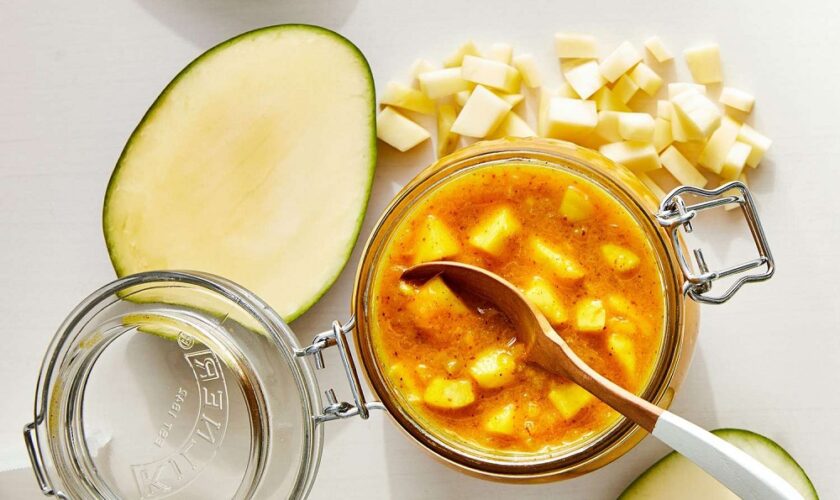
Amba sauce is a spicy condiment that has been a staple in Middle Eastern cuisine for centuries. It is a tangy-flavoured pickle made of mangoes in vinegar, salt, and spices such as fenugreek, mustard, cumin, and chilli. Let’s learn more about its origin and importance in Middle Eastern cuisine.

Origins Of This Mango Pickle

The origin of this tangy pickle has yet to be known. However, it is believed that it has its roots in India and was introduced to the Middle East by Jewish immigrants who settled in Iraq and then spread to other parts of the region, including Israel.

The history dates back to the 19th century when Baghdadi Jews migrated from India to Iraq. They brought with them their love for pickling. Mangoes were abundant in India; even now, India has lush mango forests.

Pickling is a popular way to preserve fruits like mangoes, apples, and pears. The Baghdadi Jews adapted the recipe to suit their taste, adding more spices and vinegar to make it tangier and spicier. They named this sauce “amba” after the Hindi word for mango, “aam.”

Its Role In Middle Eastern Cuisine.

The amba sauce is now an essential part of Iraqi cuisine. It has been used to enhance the flavours of various dishes, such as falafel, shawarma, sabich (a sandwich made with fried eggplant, hard-boiled eggs, and hummus), and grilled meats. It is also a dipping sauce for french fries and other fried foods. Iraqi Jews often took this with them when they emigrated to Israel, where it also became a popular condiment in the local cuisine.

This sauce is an excellent combination of sweet, spicy, and sour. The pickled mangoes have a tangy and sour flavour, while the spices add heat to the sauce. Together, these elements make a trendy mix. The texture varies since the recipe can have many variations. Usually, the surface is smooth and slightly chunky.

People in the Middle East love this sauce since it adds flavour to almost any dish. Whether you’re eating a simple falafel sandwich or a complex grilled fish dish, a dollop of this sweet and spicy sauce will take the flavour to the next level.

Another reason for its popularity is its versatility. It can be used as a marinade, a dipping sauce, or a topping for sandwiches and wraps. It is also used to add flavour to rice dishes and stews.

Conclusion

Due to its growing popularity, it has become more widely available outside the Middle East. It can be found in speciality grocery stores or online. Many people also make their sauce at home and love it because they can adjust the tanginess and spice to suit their taste. There are some online sellers too. You should always check the ingredients and buy only good sauce.

read more
1 2 3 4 5
Page 3 of 5