
Introduction
Stepping into a restaurant is to enter a world of possibilities—where every sight, scent, and sound weaves together an experience that lingers long after dessert. Restaurants are far more than mere venues for nourishment; they reflect the pulse of city streets, the artistry of chefs, and the timeless human drive to gather, share, and celebrate. As culinary culture evolves, restaurants remain at the heart of transformation—connecting people, sparking creativity, and uplifting the spirit of hospitality. This article unpacks the layers of what makes restaurants vital, imaginative, and ever-relevant.
Ambiance: The Invisible Flavor
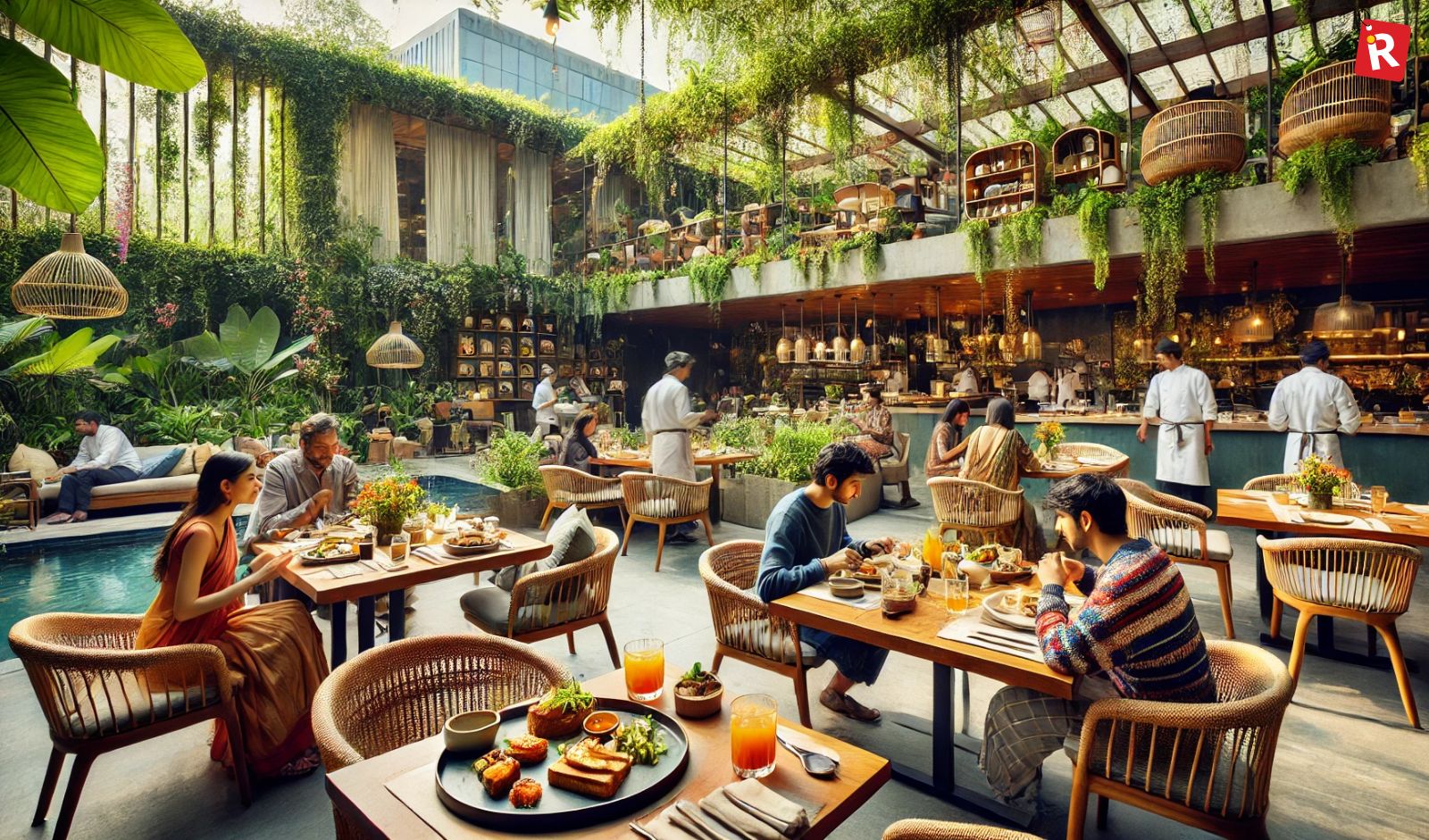
Atmosphere is the unsung ingredient in every restaurant’s recipe for success. Before a single bite is taken, diners absorb the character of the space—the warmth of lighting, the harmony of décor, and the buzz of conversation.
Crafting Sensory Experience
-
Design Choices: From minimalist chic to lavish opulence, furnishings and colors express a unique personality.
-
Lighting and Acoustics: Soft glows set the mood, while curated musical selections enhance or calm the energy.
-
Spatial Dynamics: Intelligent layouts foster privacy, sociability, or communal celebration, shaping guest interactions.
Memory and Emotion
Restaurants become landmarks for life’s milestones—first dates, family reunions, personal triumphs—all marked by the ambiance that envelops them.
The Kitchen: Where Art Meets Intention
At the core of every restaurant is the kitchen—a place where skill, invention, and dedication intersect.
Menu as Manifesto
-
Seasonality and Sourcing: Chefs celebrate local produce, creating menus that shift with the harvest.
-
Global Influence: Techniques and flavors from across the world add vibrancy and diversity.
-
Signature Dishes: Personalized plates showcase chef identity, infusing tradition with flair.
Plating as Performance
-
Visual artistry heightens anticipation and engagement, turning a meal into an event.
-
Texture, color, and arrangement invite diners to see, touch, and taste with curiosity.
Service: The Human Touch
Hospitality is the bridge from concept to cherished experience.
Elements of Exceptional Service
-
Genuine Welcome: Staff remember guest preferences, greet with warmth, and anticipate needs.
-
Expert Guidance: Knowledgeable recommendations and storytelling deepen the journey into food and drink.
-
Attention to Detail: From crisp linens to prompt responses, thoughtful gestures make all the difference.
Restaurants as Community Anchors
Restaurants foster unity, culture, and outreach well beyond their doors.
Celebratory Spaces
-
Gathering Points: Birthdays, anniversaries, promotions, and reconciliations all unfold in these vibrant settings.
-
Local Support: Partnerships with growers, artisans, and charities strengthen neighborhoods.
-
Cultural Exchange: Diverse menus and themed events inspire learning and empathy.
Creativity and Collaboration
-
Chef collaborations, pop-ups, art installations, and live performances push the boundaries of traditional dining.
Sustainability and Ethical Commitment
Modern restaurants understand their ecological and social impact.
Responsible Practice
-
Sourcing sustainably and packaging thoughtfully addresses global concerns.
-
Menus accommodate varied diets, allergies, and cultural preferences, ensuring every guest feels welcome.
-
Waste reduction and resource-conscious operations support long-term community health.
The Restaurant as Educator
Dining out is also an act of discovery and enrichment.
Learning at the Table
-
Chef’s tables and open kitchens demystify culinary processes.
-
Menus with stories, origins, and pairings turn every dish into an opportunity for growth.
Innovation in the Digital Age
Technology augments hospitality and expands reach.
Adaptive Engagement
-
Online reservations, virtual experiences, and delivery platforms connect restaurants with wider audiences.
-
Social media showcases creativity and keeps communities engaged.
Conclusion
A restaurant is a tapestry—woven with craft, care, and aspiration. It’s where the joy of sharing, the pleasure of tasting, and the spark of discovery come together, elevating daily life into cherished memory. With each plate served and every smile exchanged, restaurants enrich the fabric of society.