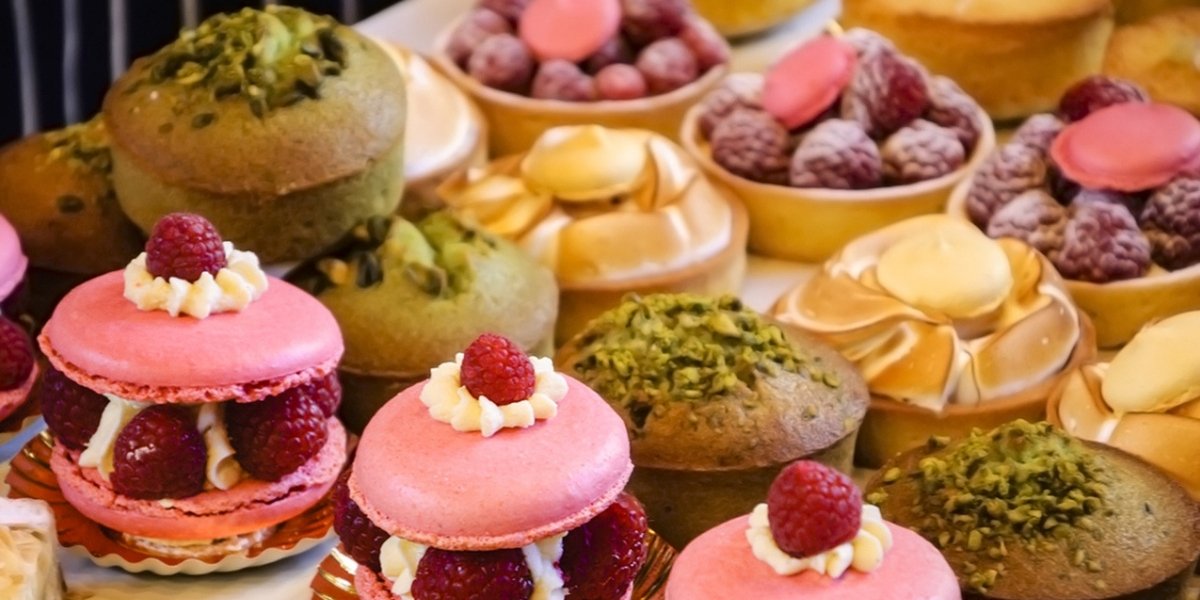
Baking is a time-honored craft that blends science with creativity, transforming simple ingredients into works of culinary excellence. From delicate pastries to elaborate celebration cakes, the world of baking offers endless possibilities. Mastering the techniques, understanding ingredient interactions, and refining presentation skills are essential to achieving results that delight both the palate and the eye.
Understanding the Fundamentals of Baking
A successful baked creation begins with a firm grasp of essential techniques. Baking is unlike other forms of cooking, as it relies heavily on precise measurements and chemical reactions. Each ingredient plays a distinct role in shaping texture, structure, and flavor.
- Flour: The backbone of most baked goods, flour provides structure. The type of flour used—whether all-purpose, cake flour, or bread flour—affects texture significantly. Cake flour, with its lower protein content, results in a delicate crumb, while bread flour, rich in gluten, creates a sturdy, chewy texture.
- Leavening Agents: Baking powder, baking soda, and yeast are responsible for adding volume. Each reacts differently to heat and moisture, creating the necessary rise in cakes and pastries. Understanding when to use each agent ensures a perfect consistency.
- Fats: Butter, oil, and shortening contribute to tenderness and moisture. Butter, with its rich flavor, enhances the depth of taste in cakes, while oil results in a softer, more delicate texture. The choice of fat can significantly influence the final outcome.
- Sweeteners: Sugar not only adds sweetness but also affects moisture retention, caramelization, and texture. Granulated sugar provides structure, while brown sugar adds depth with its molasses content. Alternative sweeteners, such as honey or maple syrup, introduce unique flavors and textures.
- Eggs: These act as binders, providing structure and moisture. The proteins in eggs solidify when baked, helping to create a stable and airy texture in cakes and pastries.
Mastering these elements ensures a solid foundation for crafting exquisite baked goods, whether preparing a light sponge cake or a rich, decadent chocolate creation.
The Art of Cake Decoration
Beyond taste, a beautifully presented cake enhances the experience, making every occasion memorable. Cake decoration requires skill, precision, and creativity, transforming a simple cake into an elegant centerpiece.
- Frosting and Icing Techniques: Buttercream, ganache, fondant, and royal icing each offer distinct finishes. Buttercream, soft and versatile, allows for intricate piping, while fondant provides a smooth, polished surface ideal for detailed designs. Ganache, made from chocolate and cream, adds a luxurious touch with its glossy sheen.
- Piping and Textures: The right piping techniques can transform a cake’s appearance. Using different nozzles, bakers create floral patterns, intricate lacework, or classic shell borders. Textured finishes, such as ombré effects or ruffled designs, add depth and sophistication.
- Edible Decorations: From fresh flowers to gold leaf accents, edible embellishments bring artistic flair to cakes. Delicate sugar flowers, sculpted chocolate pieces, and hand-painted designs add elegance, making each creation a visual masterpiece.
- Personalized Themes: Custom cakes tailored to specific themes enhance celebrations. Whether for weddings, birthdays, or corporate events, designs reflecting personal stories or brand aesthetics create an unforgettable experience.
Perfecting these decoration techniques requires practice and attention to detail, elevating a cake from a simple dessert to an exquisite showpiece.
Exploring the World of Specialty Cakes
Baking extends beyond the traditional, offering a diverse range of specialty cakes that cater to various tastes and occasions.
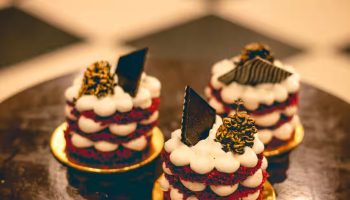
- Layer Cakes: Defined by multiple tiers of cake and filling, layer cakes offer a balance of texture and flavor. Whether a classic Victoria sponge or an indulgent red velvet, these cakes create a stunning visual impact when sliced.
- Mousses and Cheesecakes: Lighter alternatives to traditional cakes, mousse cakes and cheesecakes rely on airy textures and rich flavors. The contrast between smooth fillings and crumbly bases provides an exquisite taste experience.
- Gluten-Free and Vegan Cakes: With dietary preferences evolving, alternative baking techniques have gained prominence. Almond flour, coconut flour, and plant-based substitutes ensure that gluten-free and vegan cakes maintain exceptional texture and flavor without compromise.
- Cultural Specialties: Every region boasts its own signature cakes, from the delicate French mille-feuille to the rich Italian tiramisu. Exploring international baking traditions introduces new flavors and techniques that enrich the craft.
The Role of Ingredients in Flavor Development
Achieving exceptional flavor requires a thoughtful selection of ingredients that complement one another. Beyond the fundamentals, additional elements can enhance depth and complexity.
- Spices and Extracts: Cinnamon, nutmeg, cardamom, and vanilla extract add warmth and character. A well-balanced combination of spices elevates simple cakes, creating sophisticated taste profiles.
- Fruit and Nuts: Fresh fruit, dried berries, and toasted nuts introduce texture and natural sweetness. Whether folded into batters or used as garnishes, these elements contribute both visual and taste appeal.
- Liqueurs and Infusions: Adding liqueurs such as Grand Marnier or amaretto infuses cakes with nuanced flavors. Similarly, steeping ingredients like lavender or Earl Grey tea in cake batter imparts delicate aromatic notes.
Thoughtful ingredient selection ensures that each cake offers a unique and memorable flavor experience.
The Science of Perfect Baking
Precision is key to achieving consistently exceptional results. Small adjustments in technique can make a significant difference in texture, structure, and moisture retention.
- Temperature Control: Ingredients should be at room temperature unless specified otherwise. Cold butter may not cream properly, while overheated eggs can alter the structure of a batter.
- Mixing Methods: Over-mixing leads to tough textures, while under-mixing results in uneven distribution of ingredients. The ideal balance ensures aeration without compromising structural integrity.
- Baking Times and Oven Calibration: Every oven differs in heat distribution. Using an oven thermometer and rotating cakes midway through baking prevents uneven cooking and ensures precise results.
- Cooling and Storage: Allowing cakes to cool gradually prevents shrinkage and ensures moisture retention. Proper storage, whether refrigeration or airtight containers, maintains freshness and flavor.
Mastering these scientific principles allows for a refined approach to baking, producing cakes that are both visually striking and deliciously indulgent.
The Essence of a Great Baker
Beyond technical skills, a true baker embraces creativity, patience, and a passion for excellence. The art of baking is an ever-evolving craft, shaped by tradition and innovation. Whether crafting a classic sponge or experimenting with bold flavor combinations, the pursuit of perfection is what defines a remarkable baker.