Great food isn’t about complicated recipes or expensive tools. It’s about understanding how ingredients behave and applying a few expert techniques that professional cooks rely on every day. These practical cooking tips will help you improve flavor, texture, and consistency almost immediately.
Season Properly—and Taste Constantly
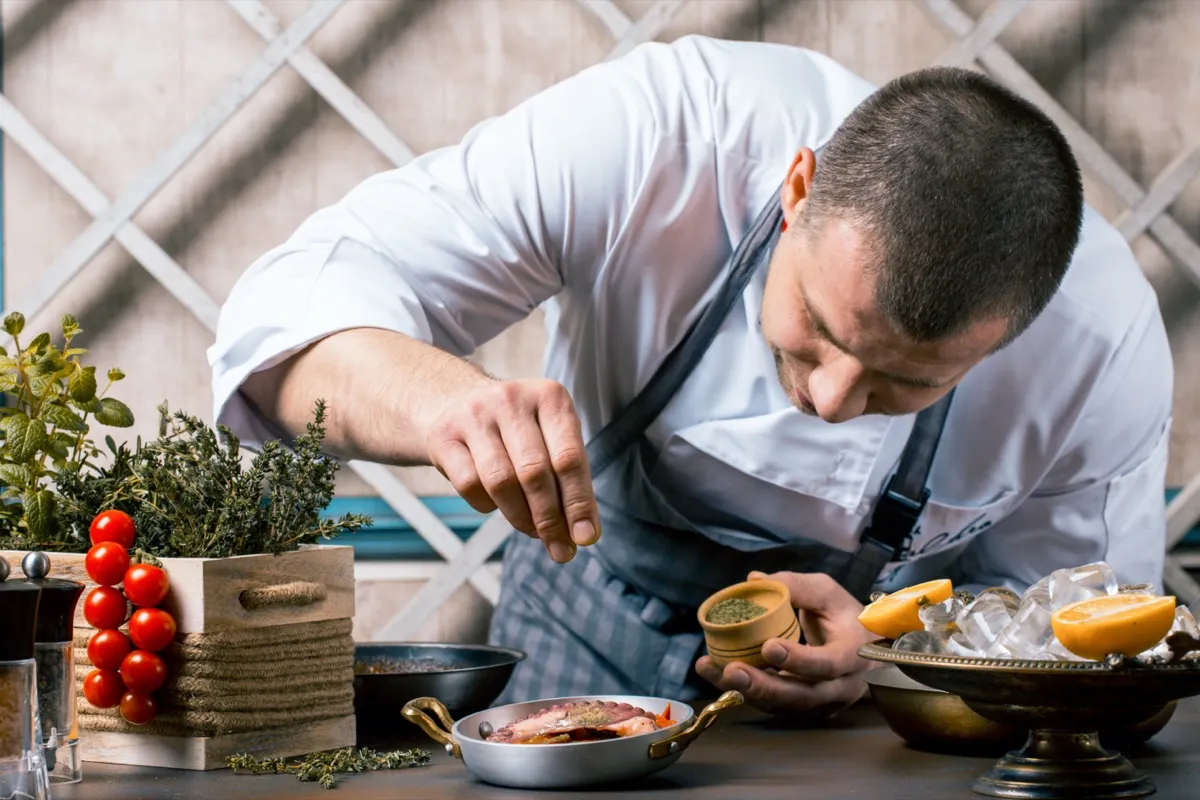
Seasoning is the foundation of good cooking. Experts don’t season once; they season throughout the process.
To get it right:
-
Add salt in layers rather than all at once.
-
Taste after each major step and adjust gradually.
-
Use kosher salt for better control and even coverage.
Proper seasoning enhances natural flavors instead of overpowering them.
Master Heat Control
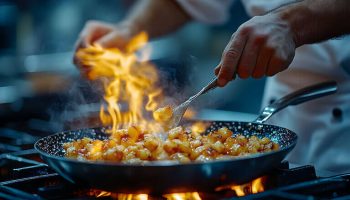
Knowing when to use high, medium, or low heat separates average cooking from expert cooking.
Key heat tips:
-
Always preheat pans before adding ingredients.
-
Use medium heat for aromatics to avoid burning.
-
Reduce heat slightly after searing to cook evenly inside.
Controlled heat prevents scorched outsides and undercooked centers.
Bring Ingredients to Room Temperature
Cooking cold ingredients straight from the fridge leads to uneven results.
Best practice:
-
Let meat, fish, and poultry sit out for 15–30 minutes before cooking.
-
This helps food cook more evenly and improves browning.
It’s a small step with a big payoff.
Use Sharp Knives and Uniform Cuts
Experts focus on precision, not speed.
Why this matters:
-
Sharp knives are safer and cleaner.
-
Evenly sized cuts cook at the same rate.
-
Uniform pieces improve texture and presentation.
Consistency starts on the cutting board.
Build Flavor in Layers
Professional dishes develop depth through gradual flavor-building.
Common layering techniques include:
-
Toasting spices in oil to release aroma.
-
Deglazing pans to capture browned bits.
-
Adding fresh herbs or zest at the end.
Each step adds complexity and richness.
Avoid Overcrowding the Pan
Too much food in one pan traps steam and ruins browning.
Expert rule:
-
Cook in batches when necessary.
-
Leave enough space for moisture to escape.
Proper spacing creates crisp, golden textures.
Let Food Brown Before Moving It
Constant stirring prevents caramelization.
What to do instead:
-
Allow proteins to sear undisturbed.
-
Wait for vegetables to develop color before tossing.
Browning equals flavor—patience is essential.
Rest Meat Before Slicing
Cutting meat immediately causes juices to escape.
Follow this guideline:
-
Rest small cuts for 5–10 minutes.
-
Rest large cuts for 15–20 minutes, loosely covered.
This keeps meat moist and tender.
Finish With Acid for Balance
Many dishes taste dull because they lack acidity.
Simple finishing touches:
-
A squeeze of lemon juice
-
A splash of vinegar
-
A spoon of yogurt or sour cream
Acid brightens flavors and adds balance.
Clean As You Cook
Experts keep their workspace organized to stay focused.
Helpful habits:
-
Wash tools while food cooks.
-
Keep a waste bowl nearby.
-
Wipe surfaces between steps.
A clean kitchen leads to better decisions and smoother cooking.
Frequently Asked Questions
What is the quickest way to improve home-cooked food?
Seasoning correctly and tasting throughout the cooking process makes the biggest immediate difference.
Do professional cooking techniques require special equipment?
No. Technique, timing, and heat control matter far more than expensive cookware.
Why does food burn even on low heat?
Residual heat from a pan or overcrowding can cause burning even at lower settings.
Is resting meat really necessary?
Yes. Resting allows juices to redistribute, preventing dry meat.
How do chefs make simple dishes taste complex?
By layering flavors and finishing with acid, fat, or fresh herbs.
What’s the most common mistake home cooks make?
Overcrowding pans and under-seasoning food are the most frequent issues.
How can I tell if my pan is hot enough?
A small drop of water should sizzle and evaporate quickly when the pan is ready.