Introduction
Cooking is both art and science—a journey that rewards patience, creativity, and attention to detail. Every home kitchen, no matter how humble, holds the potential for transformation, where ingredients become flavors and meals become memories. Yet, cooking well isn’t merely about following recipes—it requires intuitive skills, clever strategies, and a willingness to embrace experimentation. Whether you’re a novice culinary explorer or an experienced home chef, there are universal cooking tips that can boost your confidence and deliver consistently delightful results. This guide offers refined, insightful advice to help you unlock your kitchen’s full potential with finesse and pleasure.
Preparation: Laying the Foundation
Good cooking starts long before the flame ignites.
Mise en Place: Organization Is Key
-
Read the Recipe First: Ensure you understand every step and gather all ingredients before you begin.
-
Prep Ingredients Early: Chop, measure, and portion everything in advance to streamline the cooking process.
-
Arrange Your Workspace: Clean counters, accessible tools, and proper lighting help maintain focus and enjoyment.
Invest in Essentials
-
A sharp chef’s knife is more valuable than an arsenal of gadgets.
-
Quality pots, pans, whisks, and thermometers create reliability and consistency in your results.
-
Stock up on basic pantry items—herbs, spices, oils, acids, and grains—for endless versatility.
Technique: Building Confidence and Creativity
Master technique and the rest follows naturally.
Knife Skills and Safety
-
Practice slicing, dicing, and chopping—precision results in even cooking and attractive presentation.
-
Always use a stable cutting board and keep fingertips tucked for safety.
Mastering Heat and Timing
-
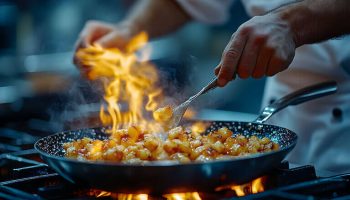
Preheat Everything: Let pans, ovens, and oils get hot before adding ingredients—this ensures proper searing and prevents sticking.
-
Don’t Crowd the Pan: Space proteins and vegetables apart for golden browning rather than soggy steaming.
-
Adjust heat as needed; most dishes benefit from starting hot, then finishing gently.
Searing, Roasting, and Sautéing
-
Sear meats for a flavorful crust, then finish gently to preserve moisture.
-
Roasting brings natural sugars forward—try with carrots, squash, or tomatoes for depth of flavor.
-
Sauté quickly for vibrant vegetables—don’t overcook, keep them lively and crisp.
Flavor and Seasoning: The Hallmarks of Great Taste
Season at every stage, and trust your palate to guide you.
Salt and Acid
-
Add salt early and adjust in layers—not just at the finish.
-
Use acid (citrus, vinegars) to brighten and balance dishes, cutting through heaviness.
Layered Flavor
-
Build flavor with base aromatics (onion, garlic, celery), then evolve with spices, herbs, and condiments.
-
Finish with fresh elements—herbs, zest, or a drizzle of olive oil—to add complexity.
Taste Continuously
-
Sample and adjust as you cook; your instincts will sharpen over time.
Resourcefulness and Sustainability
Smart, efficient cooking honors both abundance and the planet.
Minimize Waste
-
Save trimmings for stock; use stale bread for croutons or puddings; repurpose leftovers creatively.
-
Choose local, seasonal ingredients—they’re fresher and environmentally friendly.
Storage Wisdom
-
Freeze herbs in cubes, refrigerate nuts, and rotate pantry stock for longevity and quality.
-
Label leftovers and keep your fridge organized to reduce spoilage.
Presentation: The Beauty of Plate and Platter
How a dish looks can heighten anticipation and satisfaction.
Simple Tips
-
Use contrasting colors and odd-number arrangements for visual appeal.
-
Wipe plate edges and garnish thoughtfully—fresh herbs, a sprinkle of spice, or a swirl can elevate your dish.
Texture and Temperature
-
Pair creamy with crunchy, hot with cold, and tender with crisp for multi-dimensional eating.
Confidence and Continuous Learning
The best cooks are always students.
Embrace Mistakes
-
Every error is an opportunity to grow—keep a notebook, reflect and adapt.
-
Don’t hesitate to experiment with new cuisines, flavors, and methods.
Cook with Joy
-
Share your table with friends and family—the pleasure of communal eating fosters creativity and happiness.
-
Trust your senses, intuition, and palate. Cooking should be rewarding, not intimidating.
Conclusion
Great cooking is an ongoing journey—rooted in preparation, sharpened by technique, and enlivened by curiosity and care. By applying these essential tips, you’ll infuse every dish you make with skill, flavor, and heart. Ultimately, cooking is not about perfection, but about celebration—the art of transforming simple ingredients into extraordinary moments.